2026 Highlights – Top 10 Annual Plants and Tender Perennials
I love to grow annual plants – particularly from seed. Some of these annuals are grown inside and then planted out when the soil has warmed up in spring. Other annuals are grown from seeds that are planted directly into the soil. Other ones in this list are tender perennials, like dahlias, that are grown from bulb-like tubers.
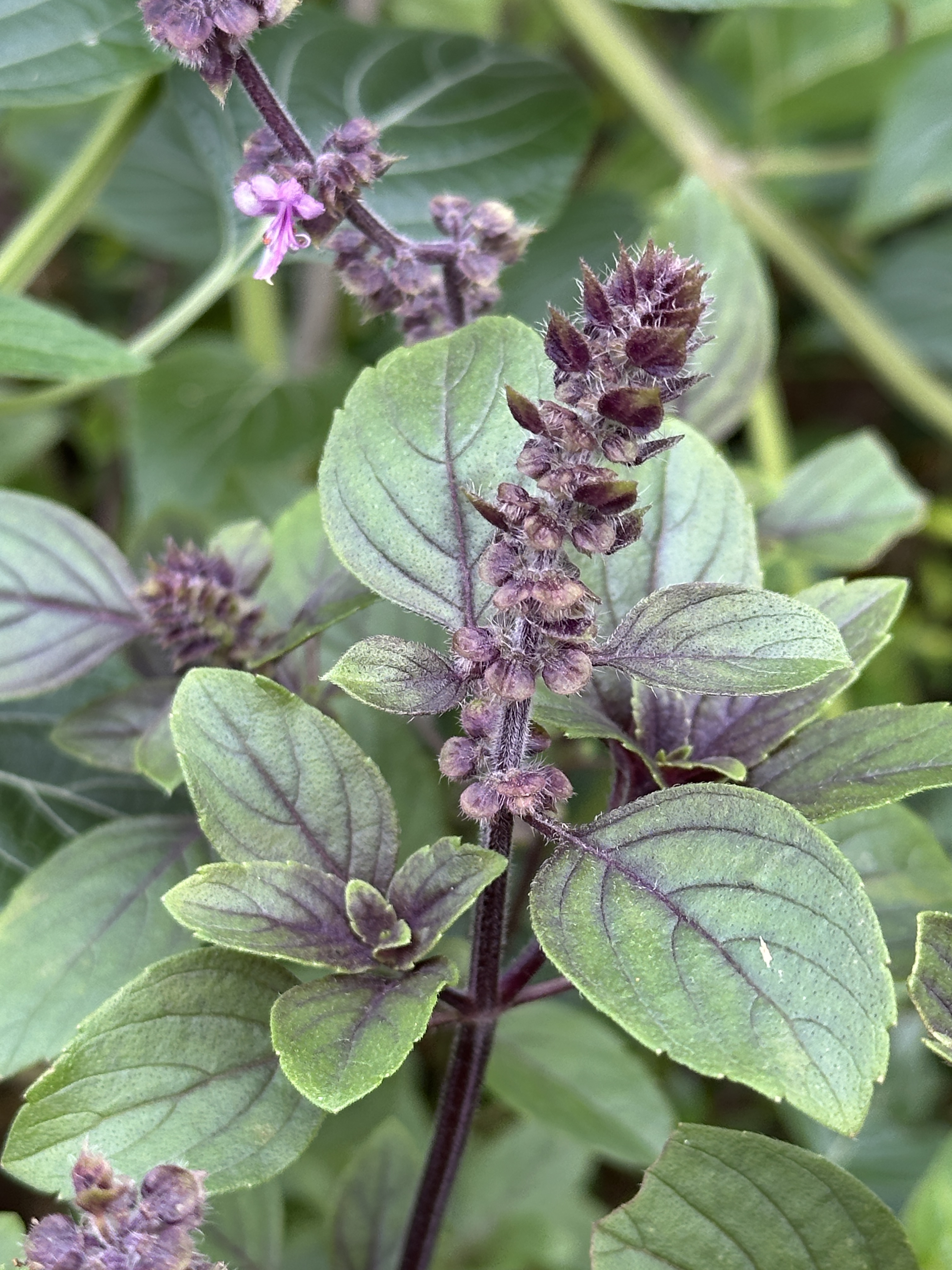
1. African Blue Basil (Look for one called Ocimum ‘Dark Opal’)
This was such a good plant this year for pollinators and as a cut plant for arrangements. The whole plant is fragrant with a medicinal smell that is quite pleasant. The leaves have a dark tinge in the center so they in garden and in a vase they pair well with dark-colored flowers like dahlias. African Blue Basil is cold-tolerant down to at least 34 degrees Fahrenheit in our garden and so also keeps growing longer into the Fall than other basils.
2. Castor Oil Plant /Castor Bean – Ricinus communis
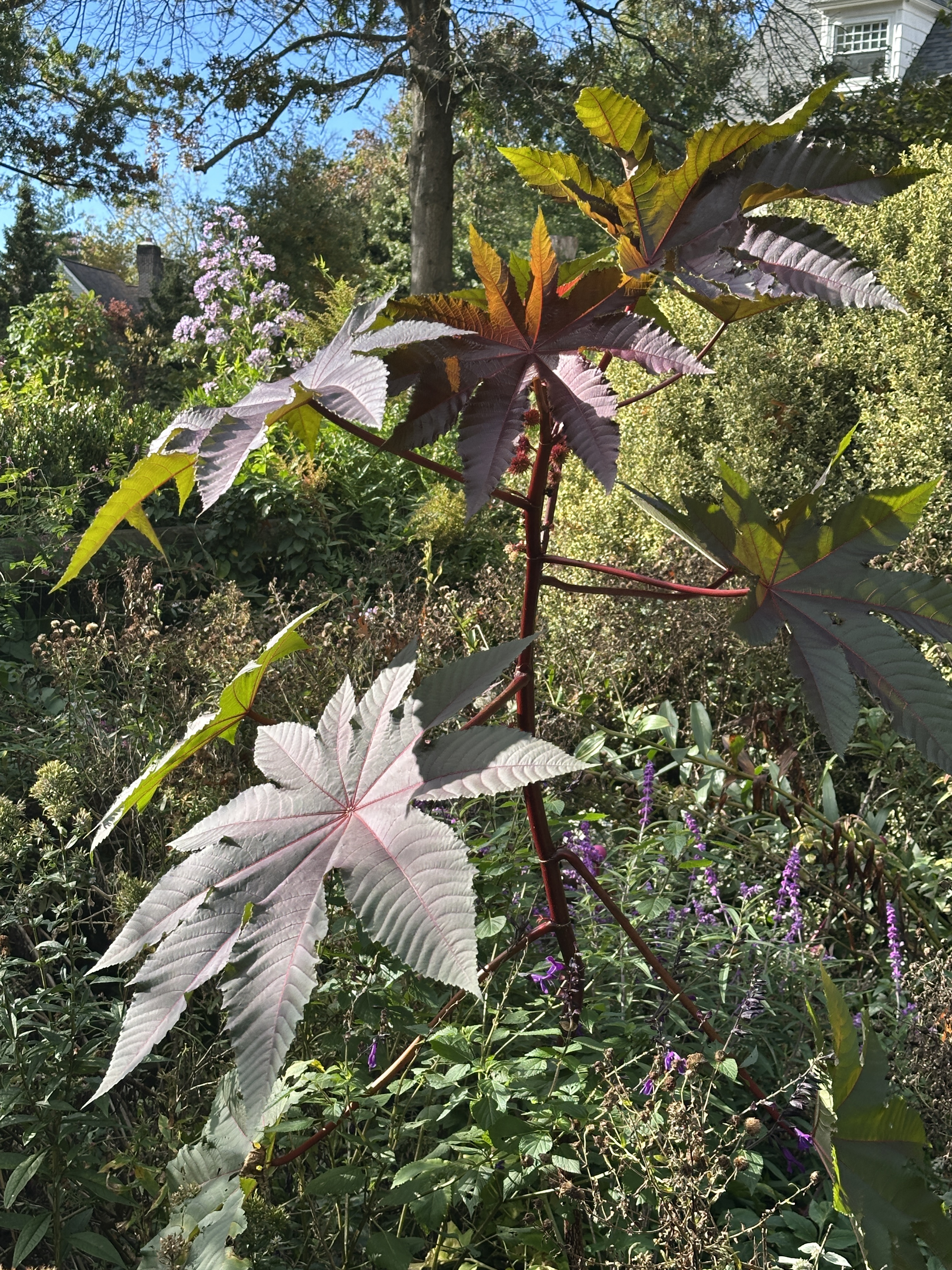
This was a hit in the Herb Garden. It was grown from seeds sown in a seed snail ( I will write out this method when we get to seed starting season). This plants have varied in size but some have grown to over 8 feet tall. This particular cultivar is the dark-foliaged plant and you can see the ball-shaped seed pods in the top of the plant. Warning – all parts of this plant are poisonous so wear gloves and wash your hands after handling it.
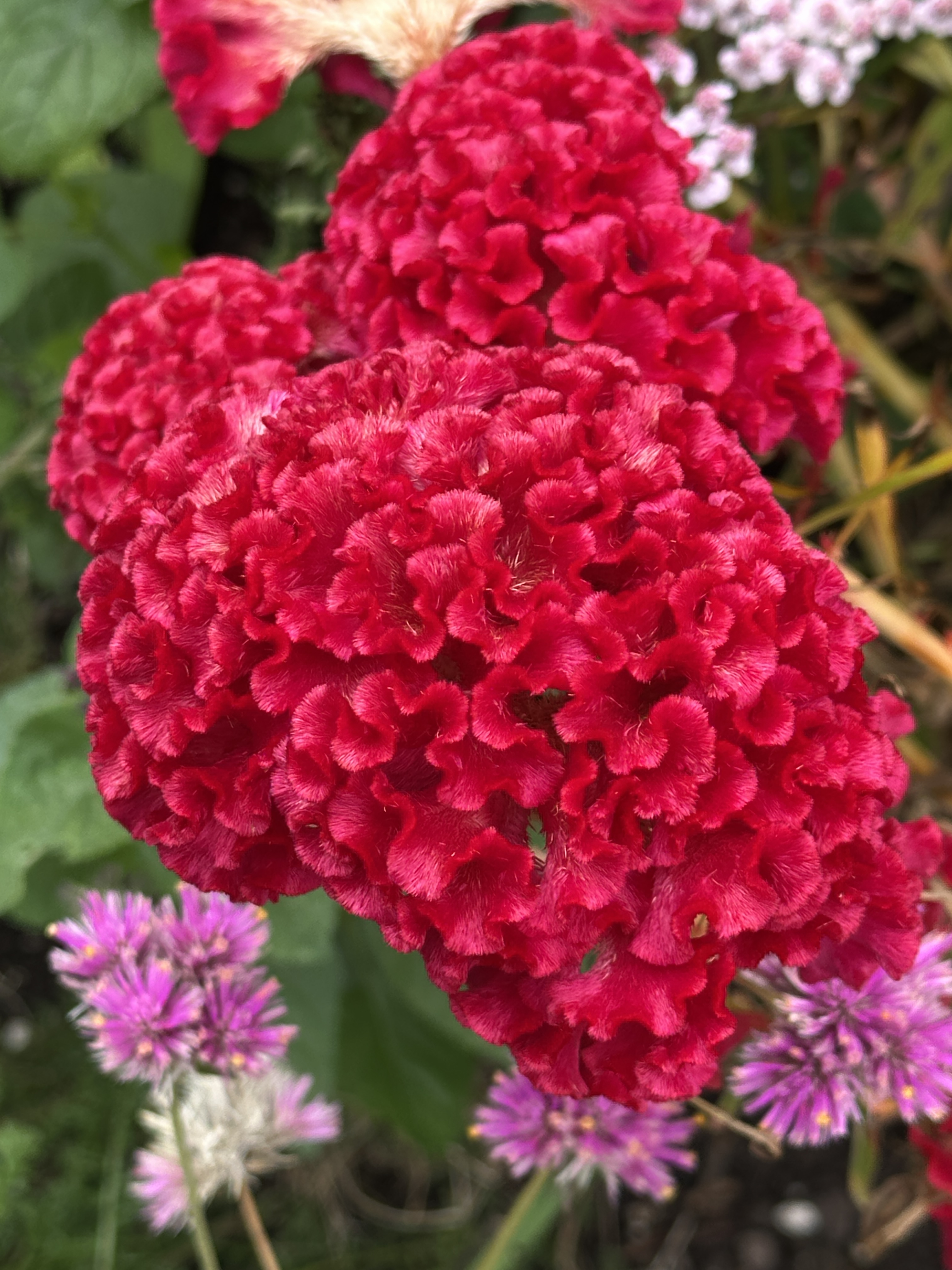
3. Celosia (and Gomphrena in combination)
‘Twisted Strawberry’ Celosia is an eye-socking color! This brain-shaped celosia was an unexpected delight. The texture and intensity of color was a clear focal-point in garden beds well into the fall. It looked particularly delightful paired with Gomphrena ‘Fireworks’
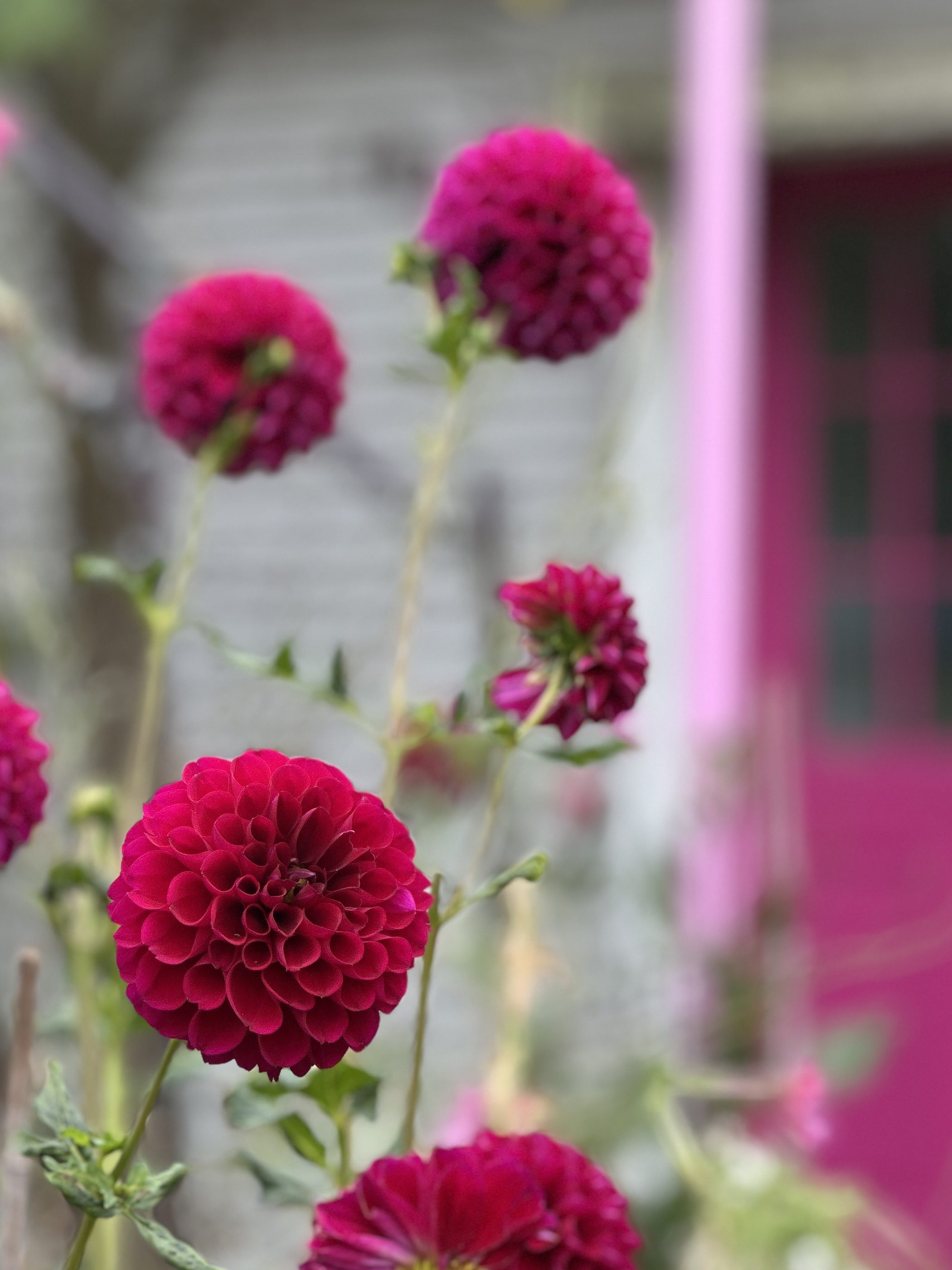
4. Dahlias
Those of you who follow this blog know that we grew lots of dahlias in maroon and burgundy colors for a September wedding reception in the garden here. I love the ball-shaped ones – especially the small ones that look great in any size of arrangements. This is just a mention here but my Autumn Garden would not be the same without them.
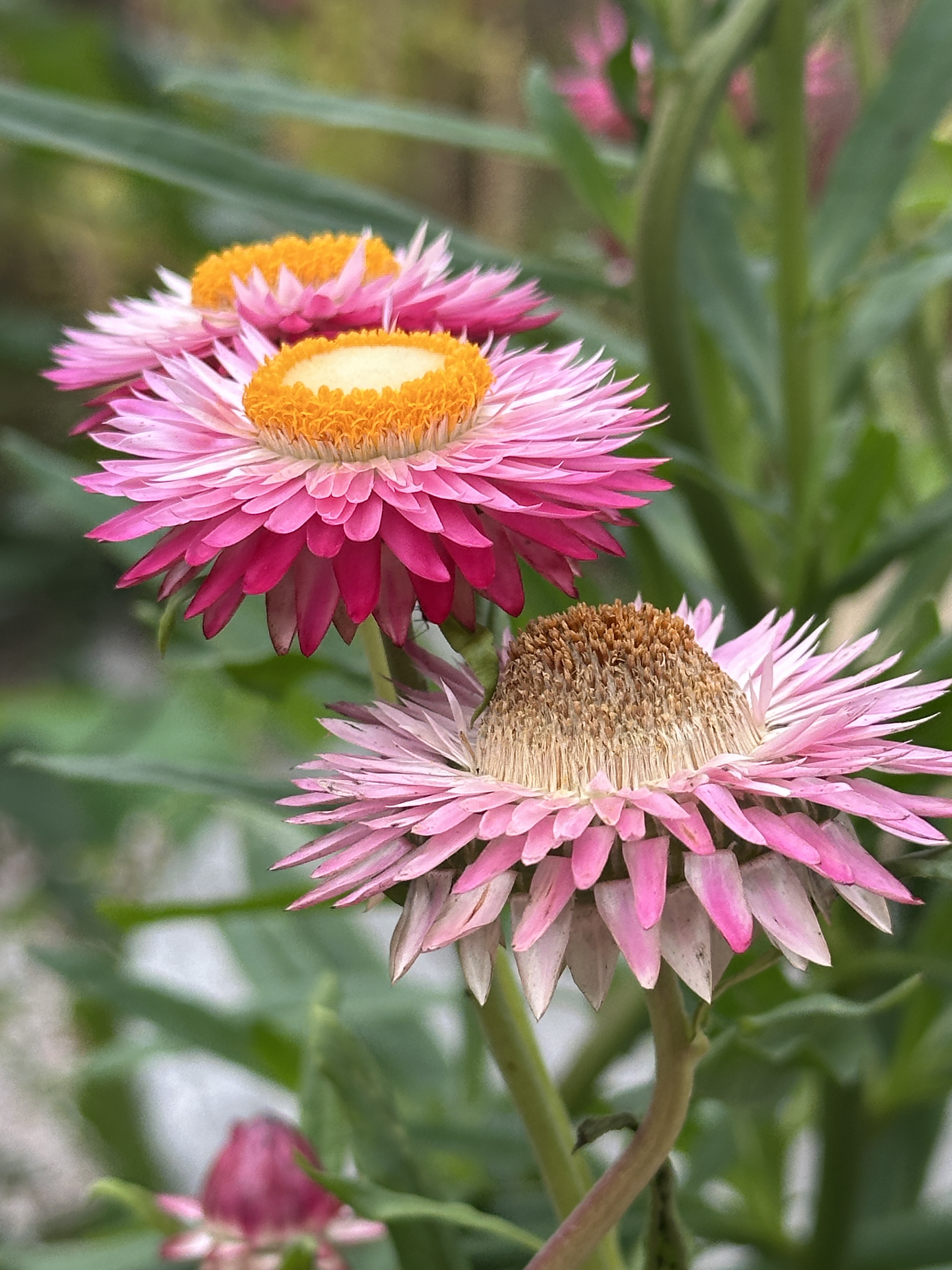
5. Straw Flowers / Everlasting Flowers – Xerochrysum bracteatum
These strawflowers, that you may find by their old names of everlasting flowers, or Helichrysum, are a throw-back to the 1970’s when they were really popular as a dried flower in arrangements inside the house. The texture of each petal is like thin plastic or thick shiny paper. To dry them and use them in dried flower arrangements, pick the flowers when they are not quite open, bunch them together with an elastic band, and hang them upside down to dry. The flower at the bottom of the photo below is setting seed. You can pick these spent flower heads, dry them in a paper bag, and save the seeds to sow again next spring.
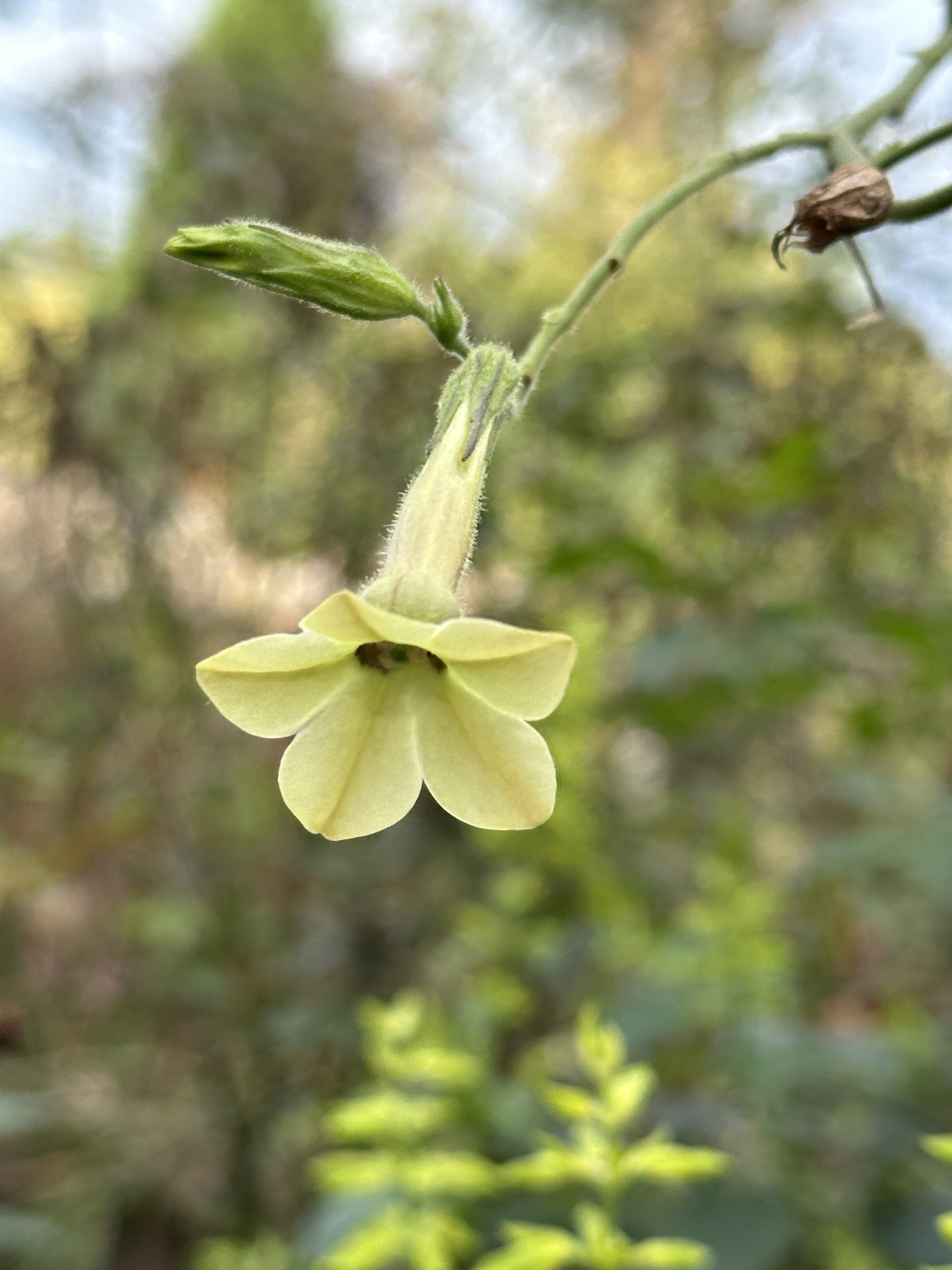
6. Flowering Tobacco – Nicotiana
Flowering tobacco plants are grown from dust-like seeds. They are best started inside in warm conditions and are slow to grow. Once they get growing there are so many seeds in one packet that you get lots of seedlings. We put out tiny seedlings all over the garden in mid-spring and wish them luck because they look too puny to survive. However, enough grow up.to produce these tubular flowers. Choose a flowering tobacco that is labelled as scented. The late afternoon fragrance will enchant you and attract pollinators.
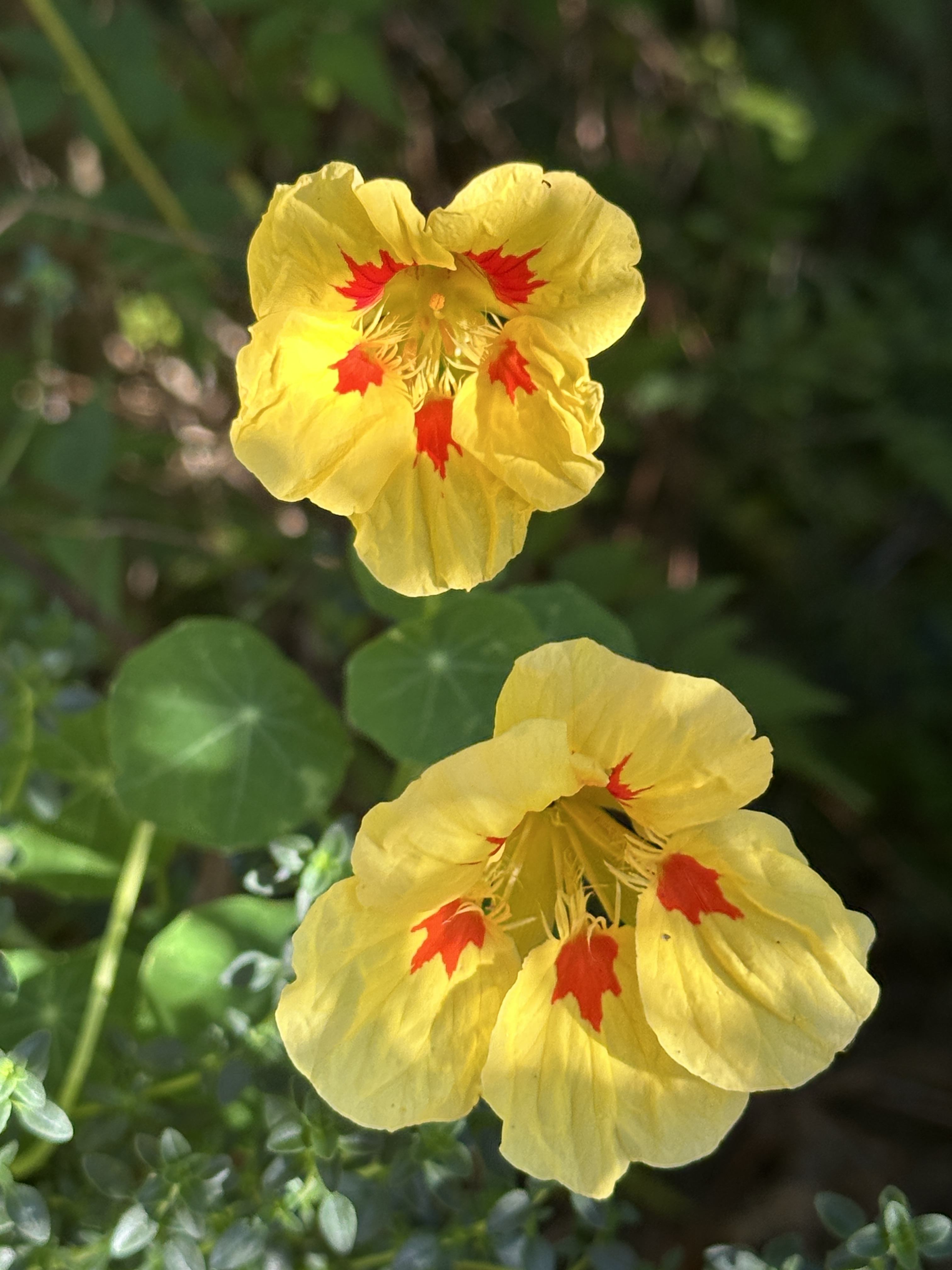
7. Nasturtium – Tropaeolum
Nasturtiums are another one of the really easy plants to grow from seeds poked into the ground in late spring. When you are buying seeds of Nasturtium you will see that there are clumping plants and trailing ones. Choose the type that suits your needs. They are perfect in windowboxes, containers, or garden beds alongside flowers or vegetables. The flowers and leaves are edible and peppery in salads.
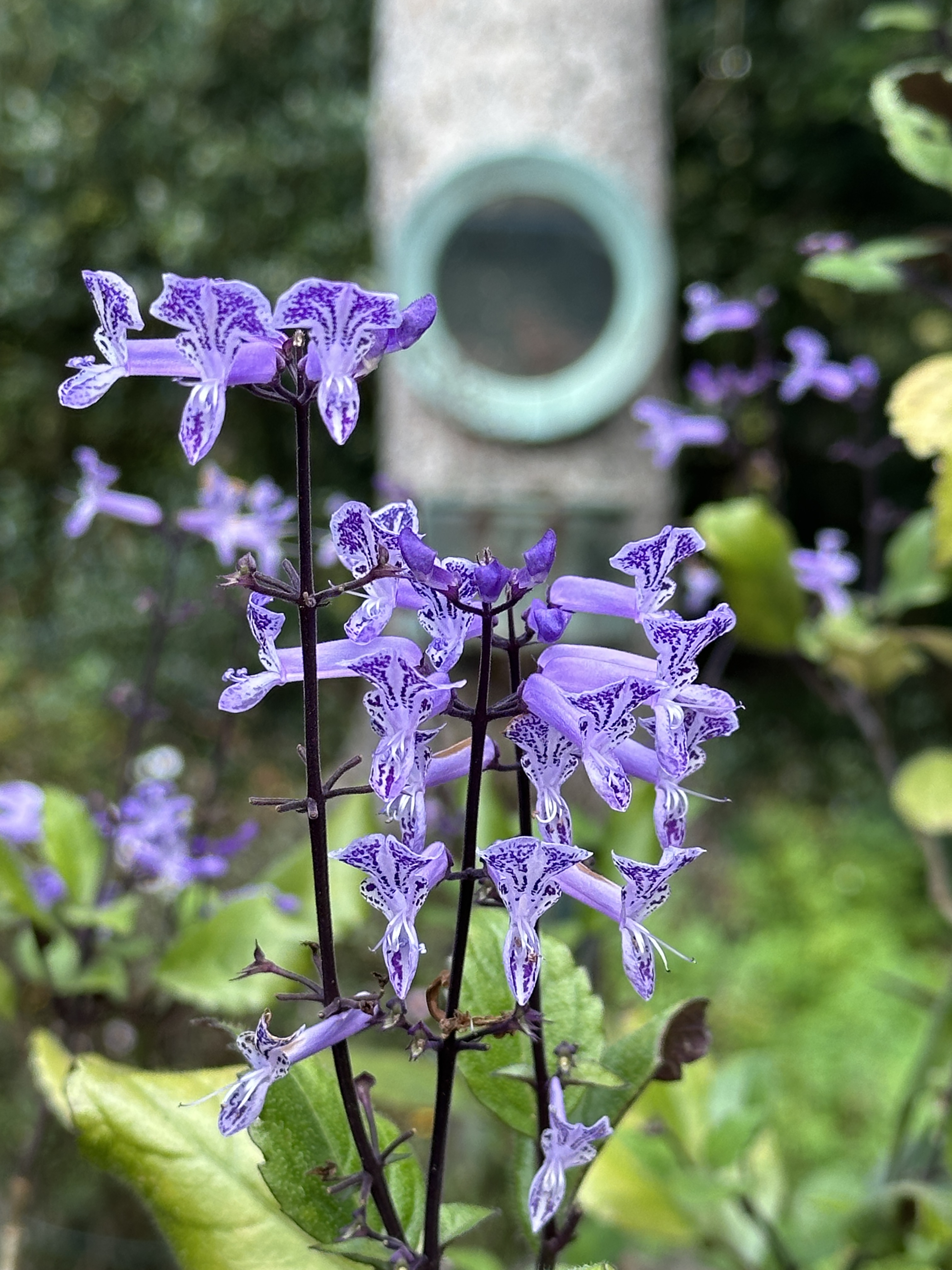
8. Plectranthus ‘Mona Lavender’
Plectranthus is a huge group of plants. This a tender perennial that we grow in containers that are brought inside the garage for the winter. This is one called ‘Mona Lavender’ which has these fabulous light purple flowers and leaves that are dark tinged.
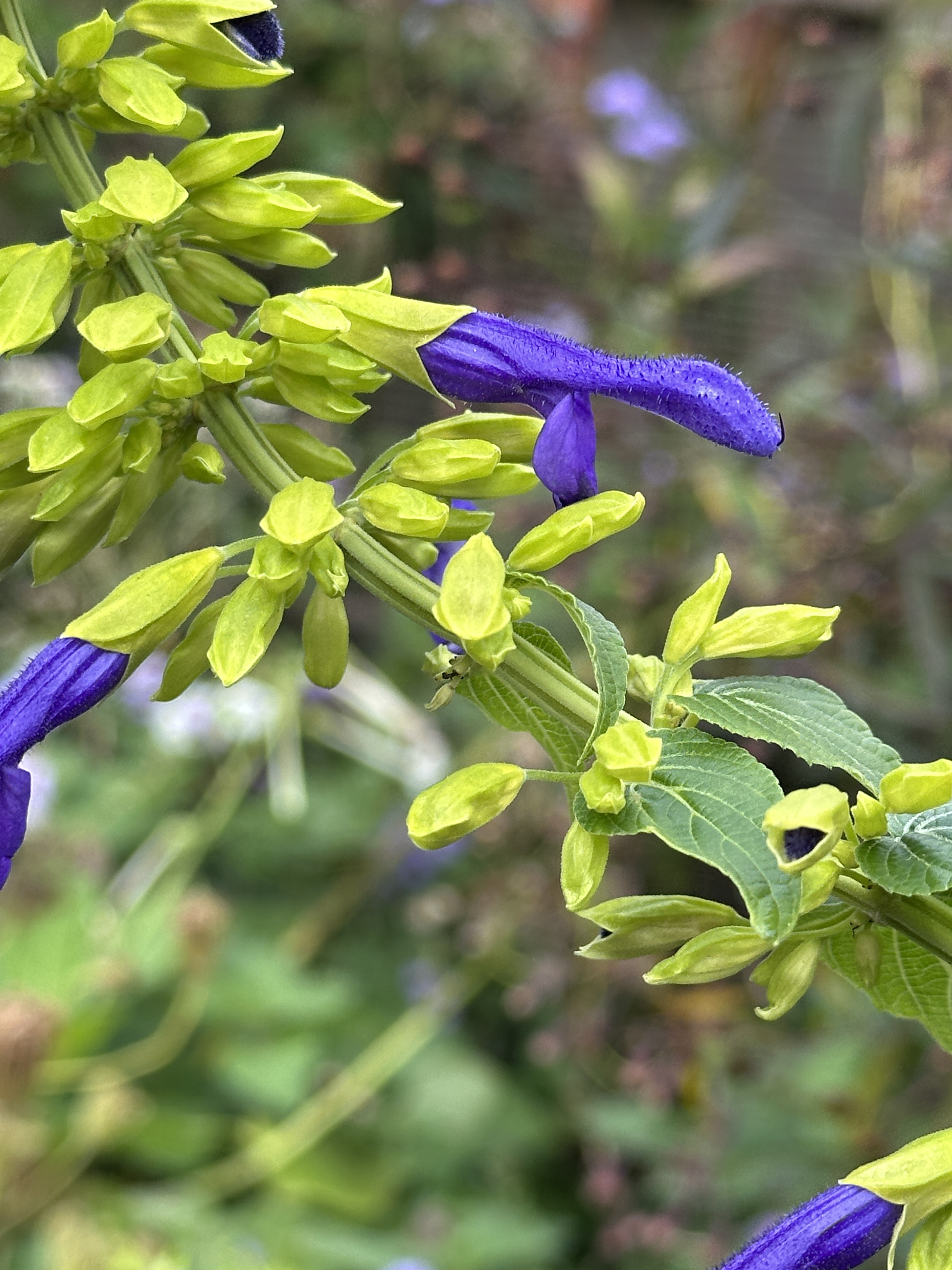
9. Salvias
These are tender perennials that add so much to the autumn garden. They are a favorite of hummingbirds and other pollinators. They are a good cut flower. The one shown below, Salvia mexicana ‘Limelight’ is a new one for us this year. It grew to over four feet tall and the chartreuse bracts emerged first followed by the blue flowers – lovely
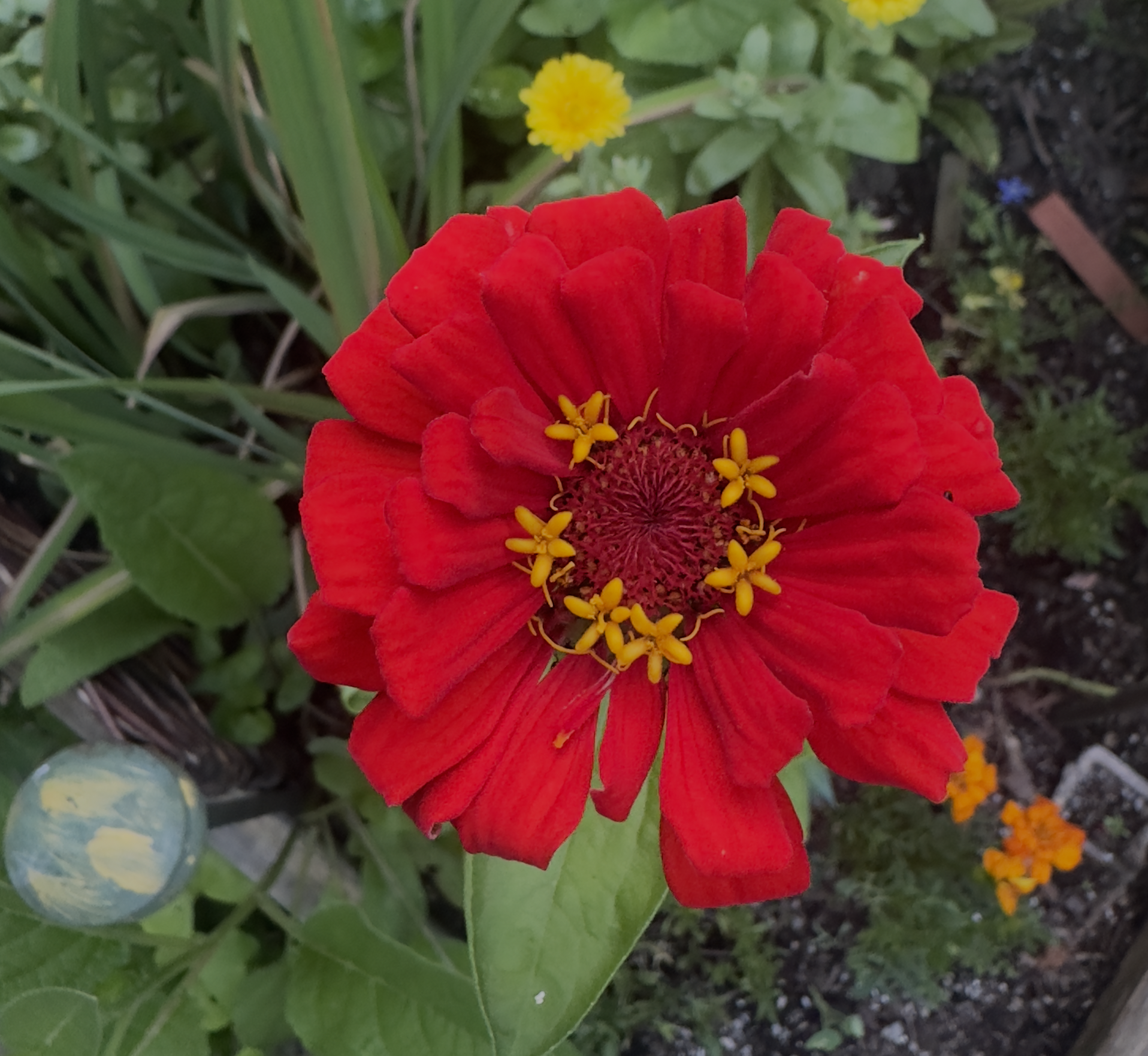
10. Zinnias
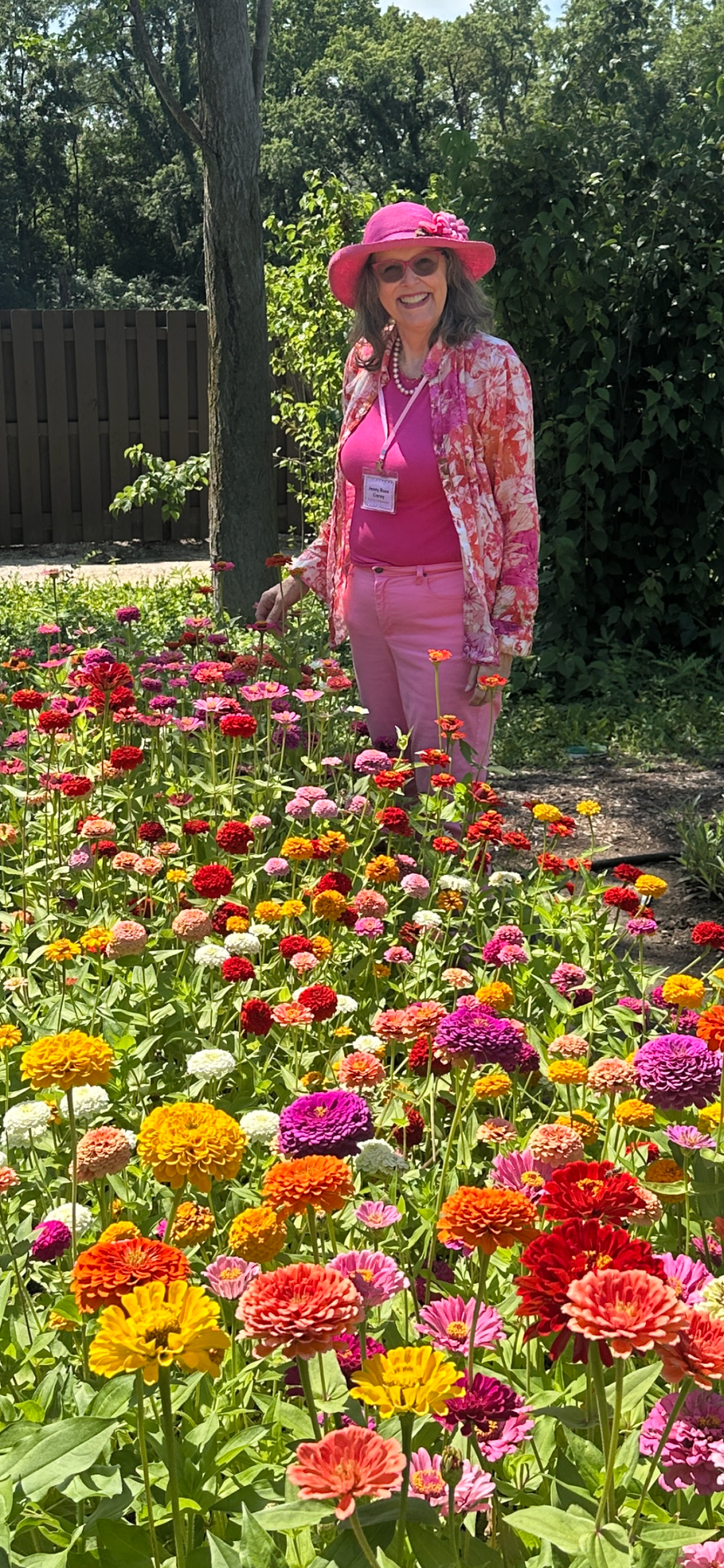
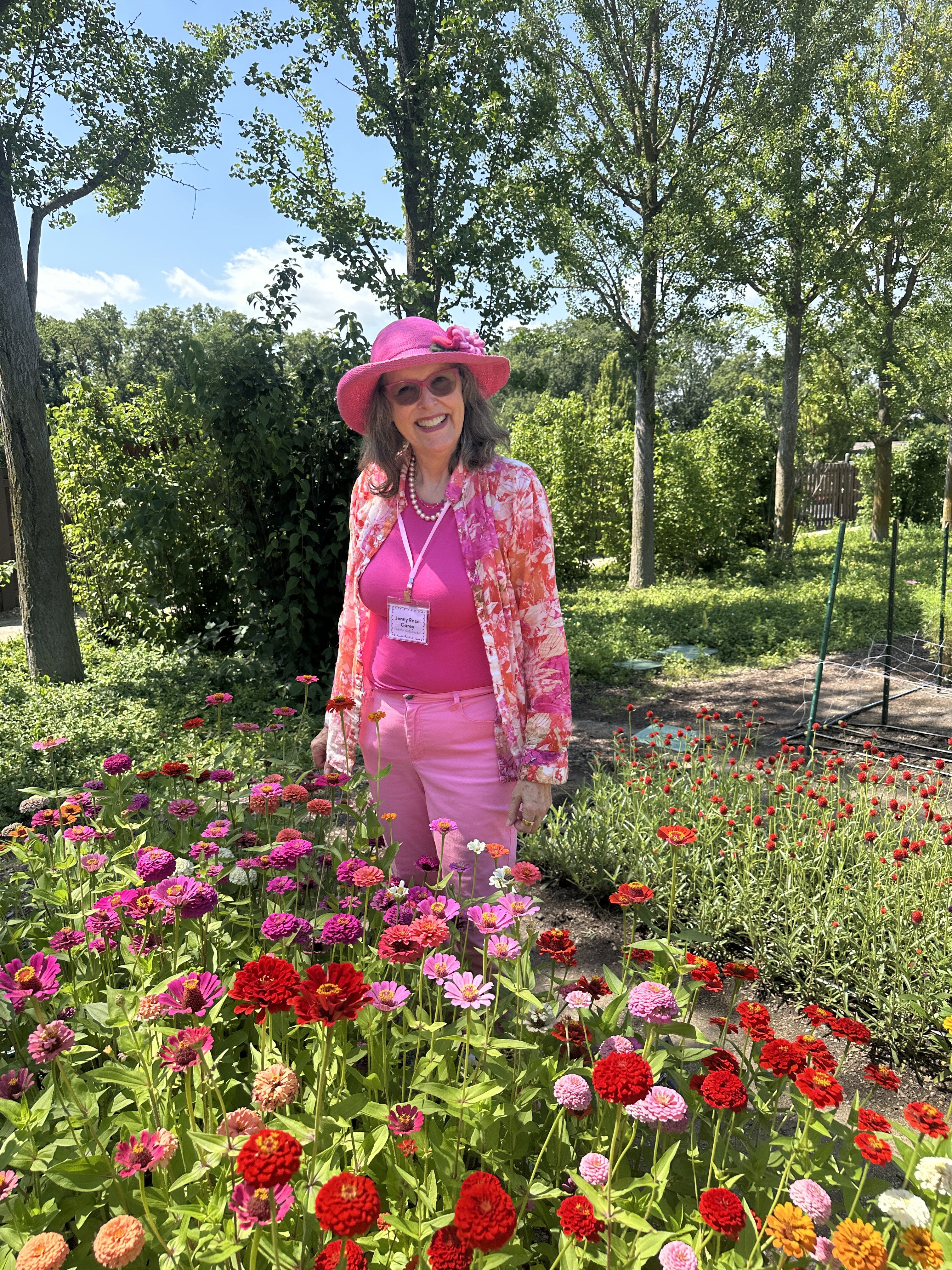
Last but not least – Zinnias are stunning in the garden, a great cut flower and a real pollinator magnet. These annual flowers are so easy to grow from seeds poked directly into spring-warmed soil. Next year zinnias will be on my short list of must-have annual flowers. Try them yourself – they will make you happy. I want pink zinnias but I am really taken by the bright red ones that hummingbirds love.
Northview Lessons Learned for 2027
I love growing annual plants and mixing them into my perennial beds. The long-flowering annuals enliven these beds throughout the Summer and into the Fall and delight the pollinators over this whole time. This year I have loved bright pops of color like Celosias and Zinnias. I have been wowed by the presence in the flower beds of large plants like the Castor Bean Plant. So many of these plants also have provided oodles of cutting flowers for tables and windowsills. I want to repeat many of the ones that I grew this year and then add a few new ones
I will write another Blog in the Winter for my actual seeds sown, but at this time we have done a walk-around of the garden to get an idea of our favorites and ones that we must grow again next year. Make sure that you make notes in your own garden to help you to plan for your seed-buying. I hope that some of the suggestions here are helpful and that you grow at least one of them next year.
Happy Gardening Gardening Friends. I hope that you take the time to enjoy your garden this November. Cheers, Jenny Rose Carey
Discover more from Before You Garden...
Subscribe to get the latest posts sent to your email.


Leave a Reply