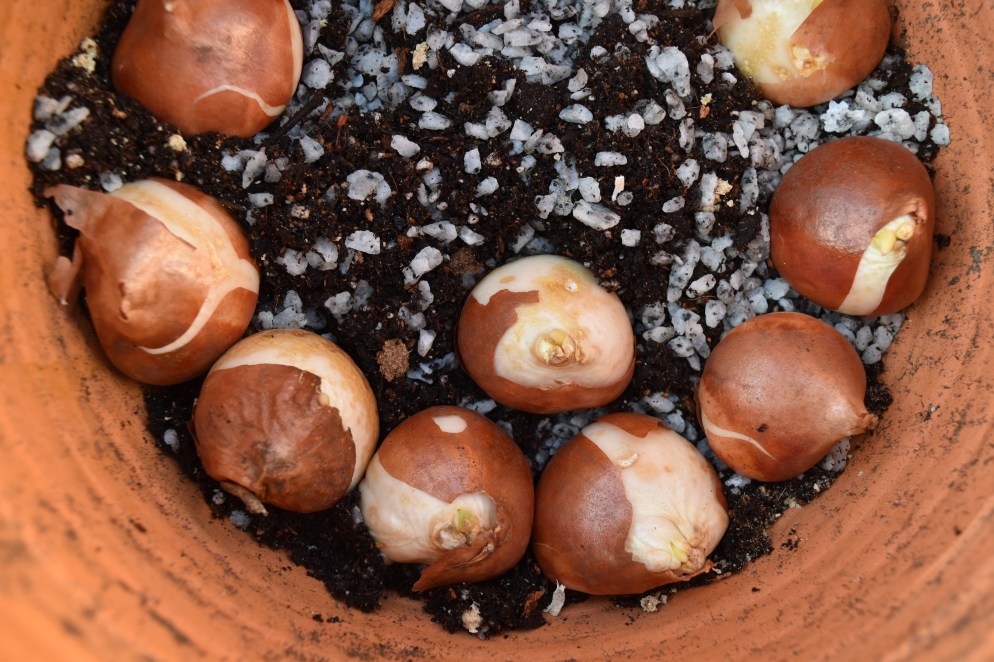
Chicken Grit is Not Just for Chickens
If you read plant tags they often say – ‘plant this plant in moist, well-drained soil’. As a beginning gardener I was really confused by this statement. How can the soil be both moist and at the same time well-drained. I figured out that the organic part of the soil – like compost or leaf-mold – was the moisture holding part of the soil – but what did I add to increase drainage?
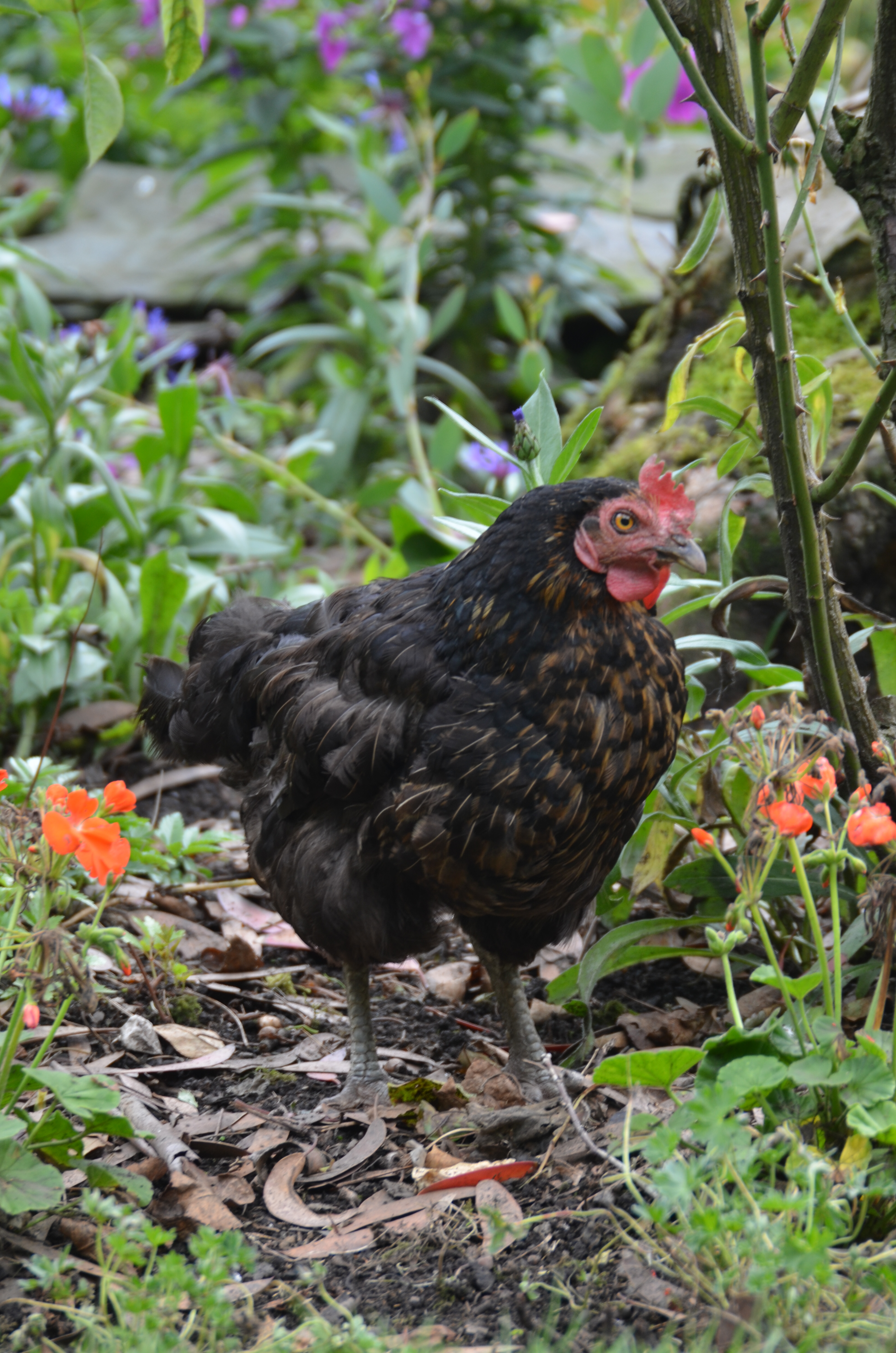
There is a type of small-scale grit that is used by chickens to help them to digest their food. It is not only useful for chickens it is also great as a soil-amendment in gardens. At the gardens here at Northview we use lots of chicken grit both in containers and in the soil. It took a while for me to find this – this is a summary of my gardening journey.
Horticultural Grit in England
In England there is a type of grit that is used widely in gardens called Horticultural Grit. When I gardened in England I used this tiny grit in many ways; as a top-dressing on top of potted plants, as a soil amendment when taking plant cuttings and also growing seeds. When I moved to the States I looked for it and found nothing much. I used aquarium gravel – not the blue one! but often this was only available in small quantities.
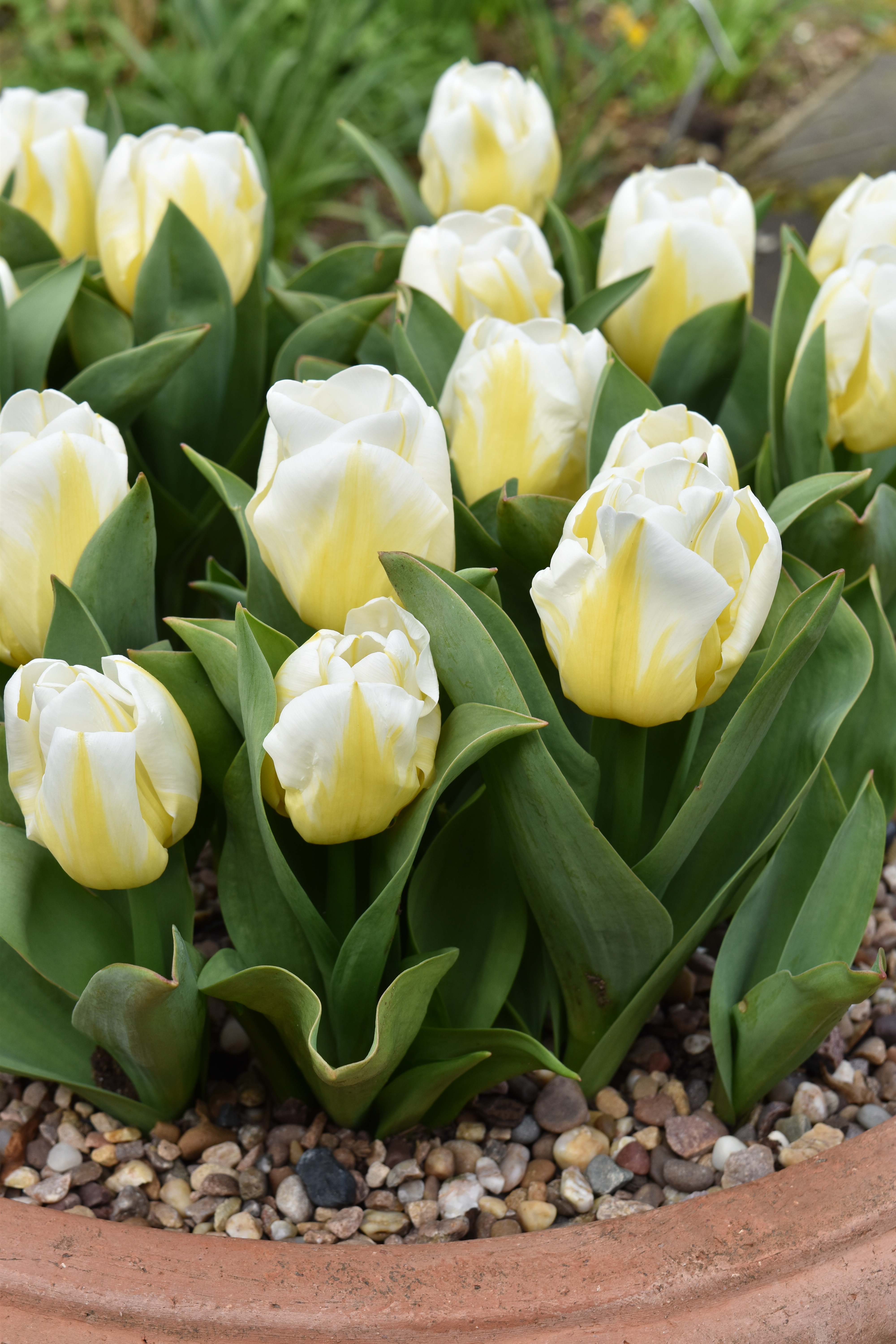
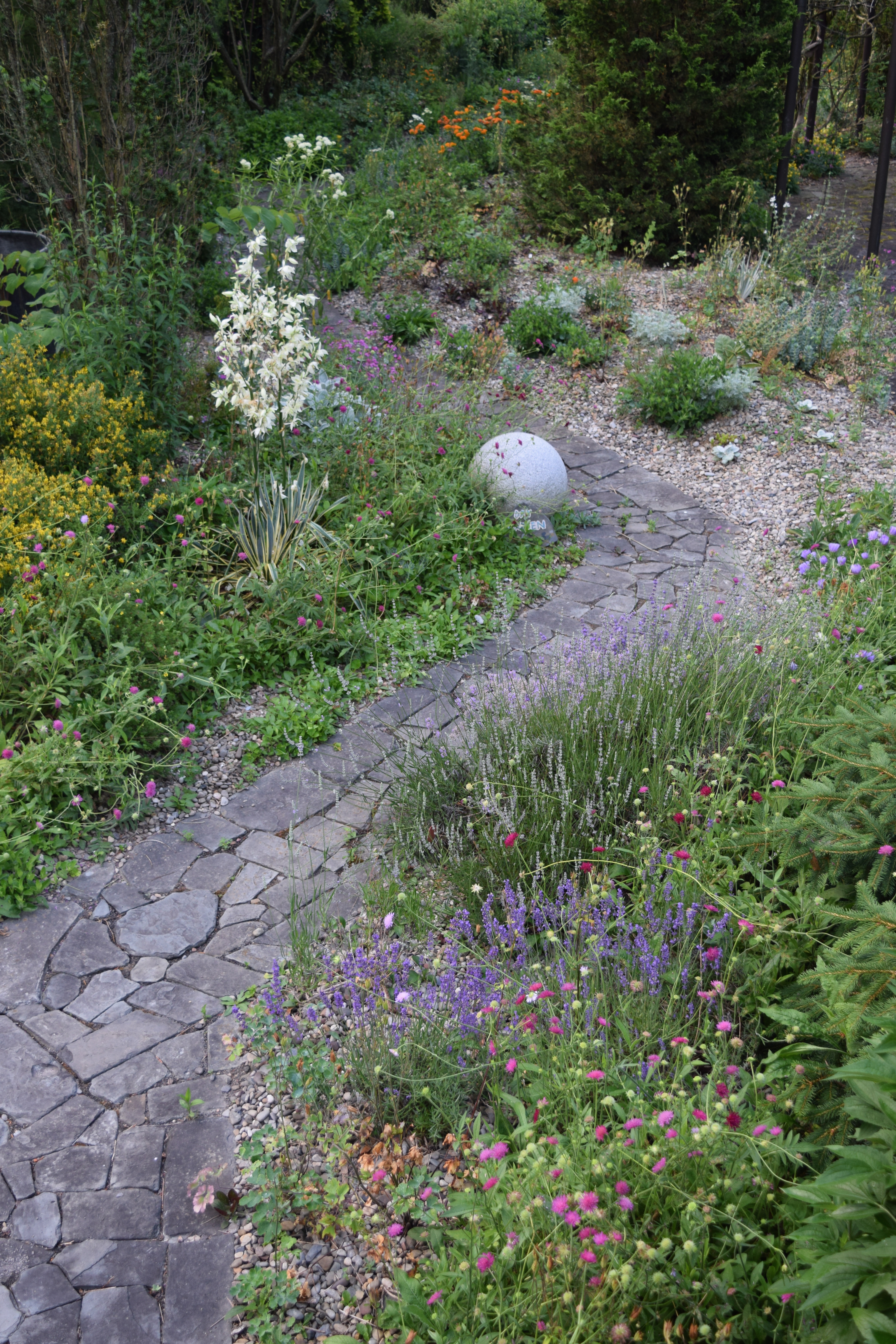
River Gravel – Top-Dressing for Flower Beds
I spent many years looking for a cheap alternative to horticultural grit in America. One type of gravel that I found is small-sized river gravel. I use this for topping my flower beds. It is a great used as an inorganic mulch that both keeps moisture in the soil beneath and increases drainage. However, the one that I found is too large for use in containers.
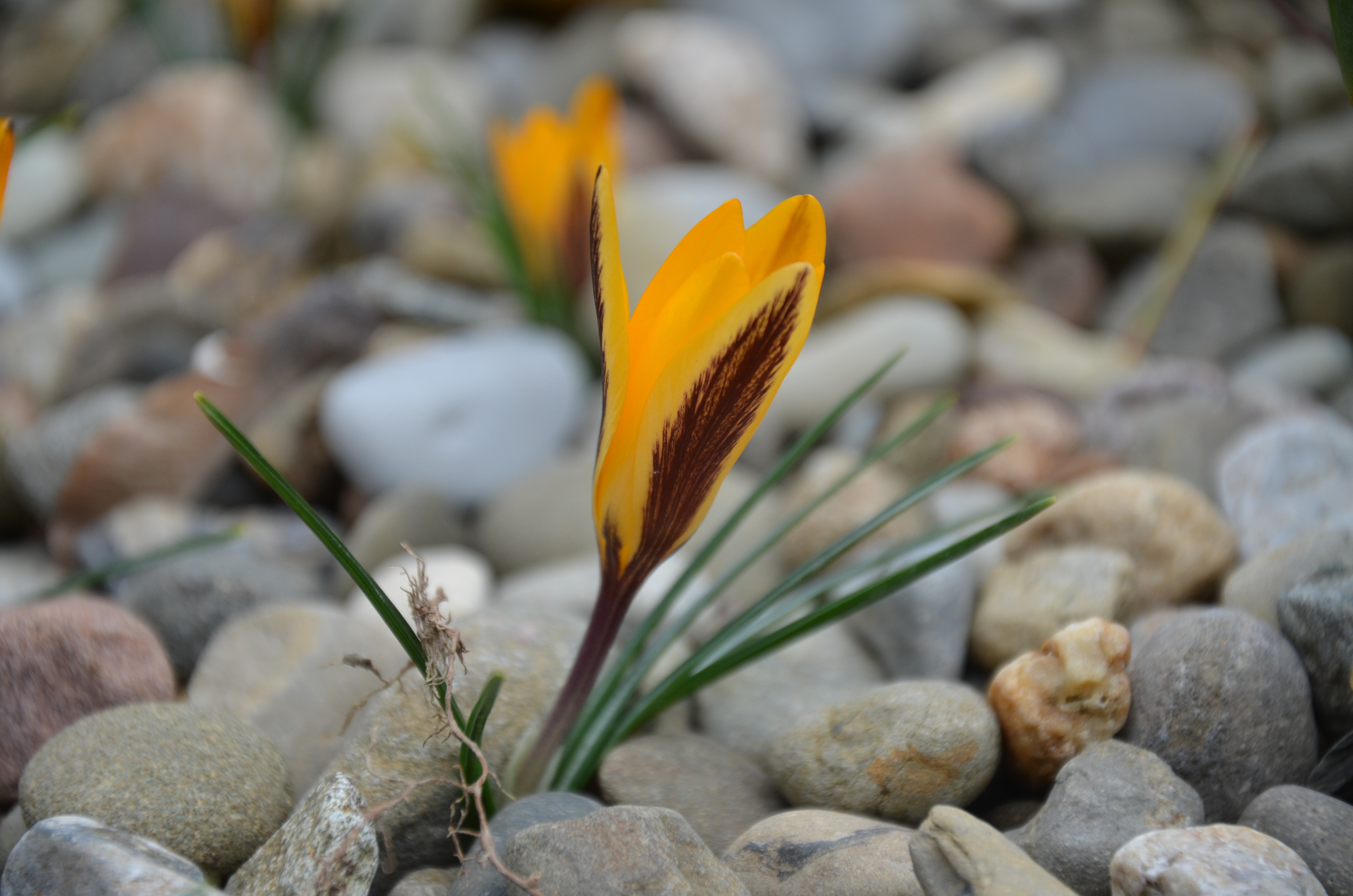
Chicken Grit for Moist, Well-Drained Soil
The river gravel that I used as a mulch on flower bedsx was too large for use in containers. I needed something smaller.
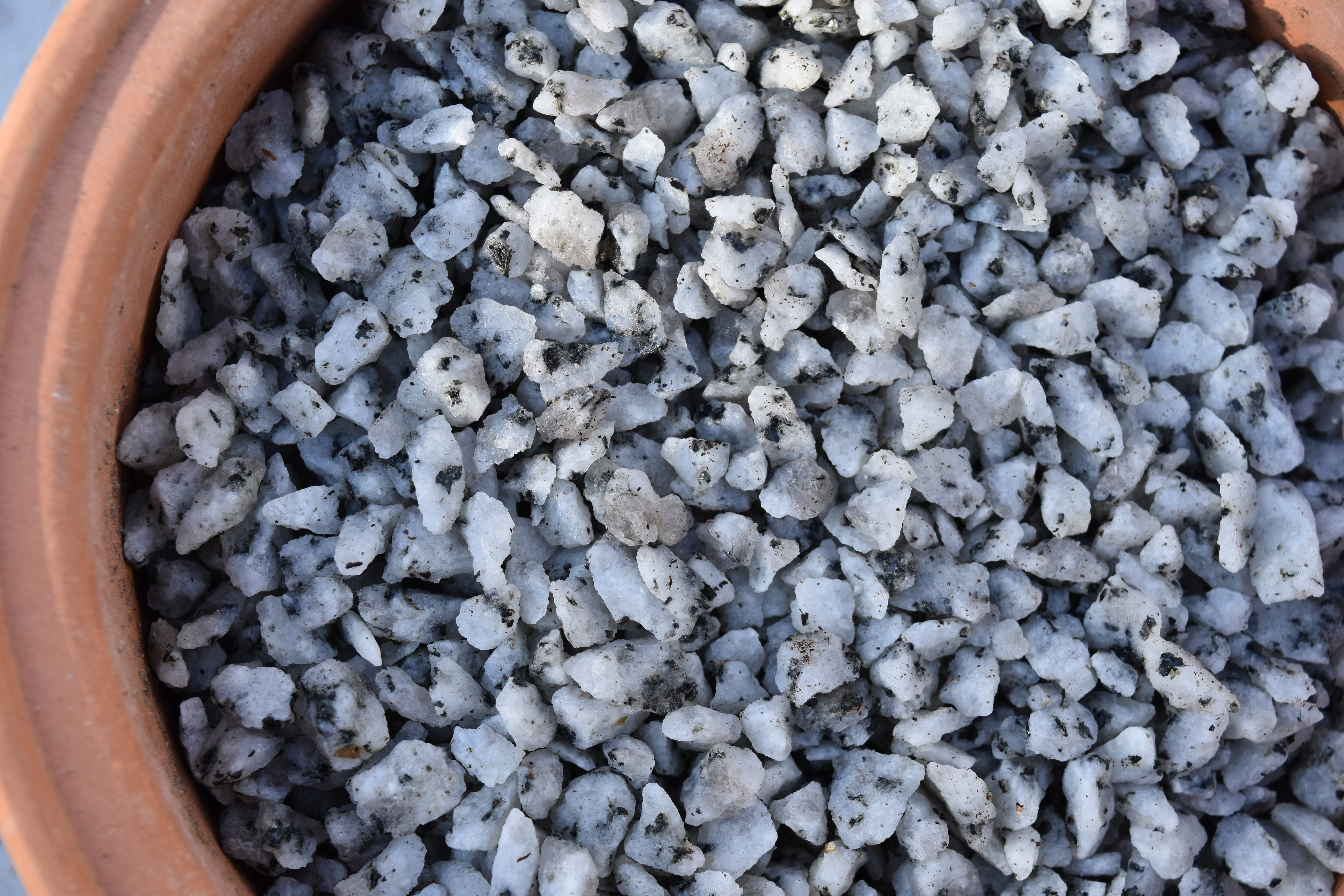
My answer to increasing drainage was chicken grit. I love chicken grit and use it all over the garden.
Chicken grit is made from granite that is pH neutral. (Not acid or alkaline). It comes in three sizes that are used for different sized chickens. I buy all sizes. The small size that is used for chicks I use for seedling mixes and anywhere I need this fine grit. The large grit size is used in flower beds, especially when planting bulbs.
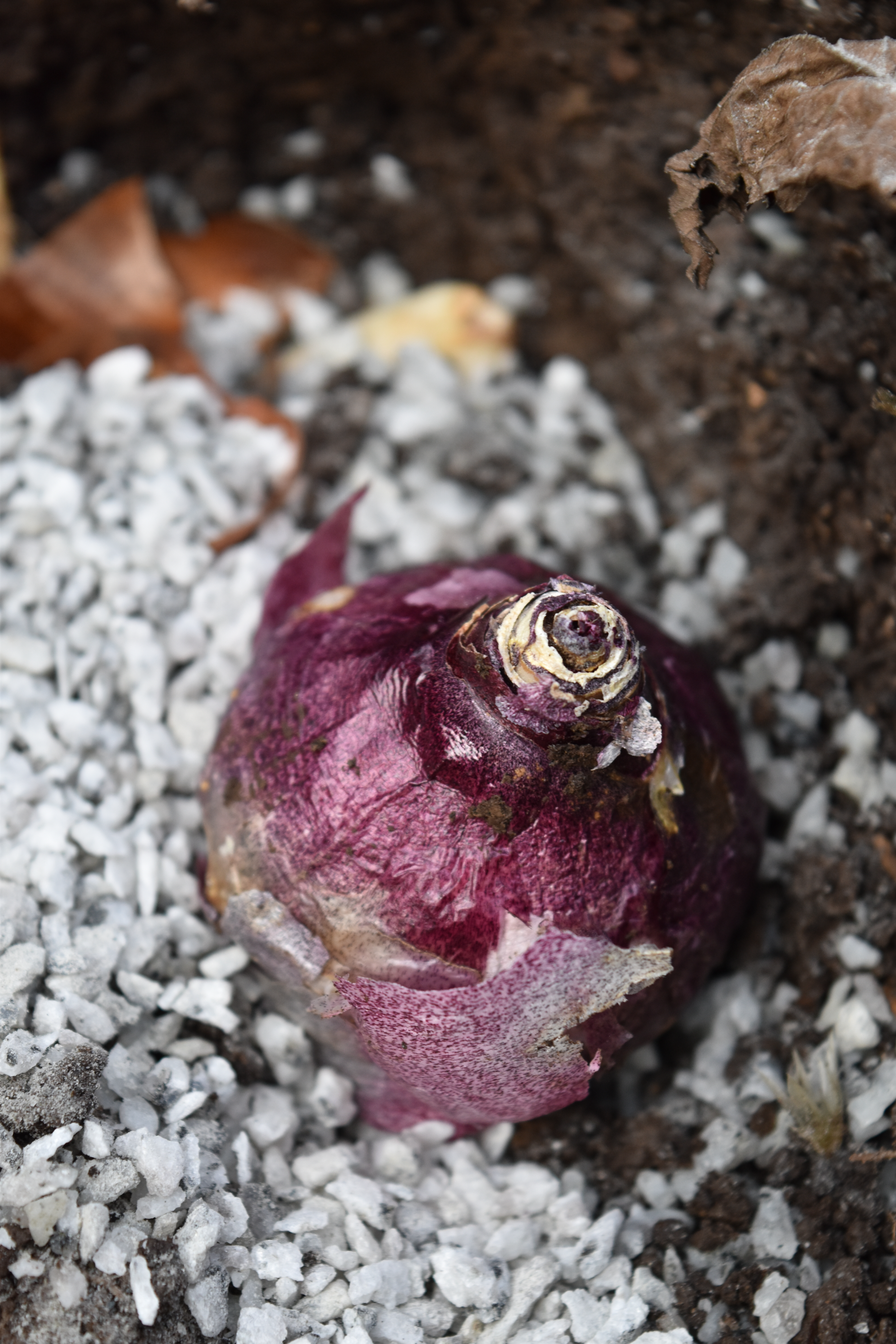
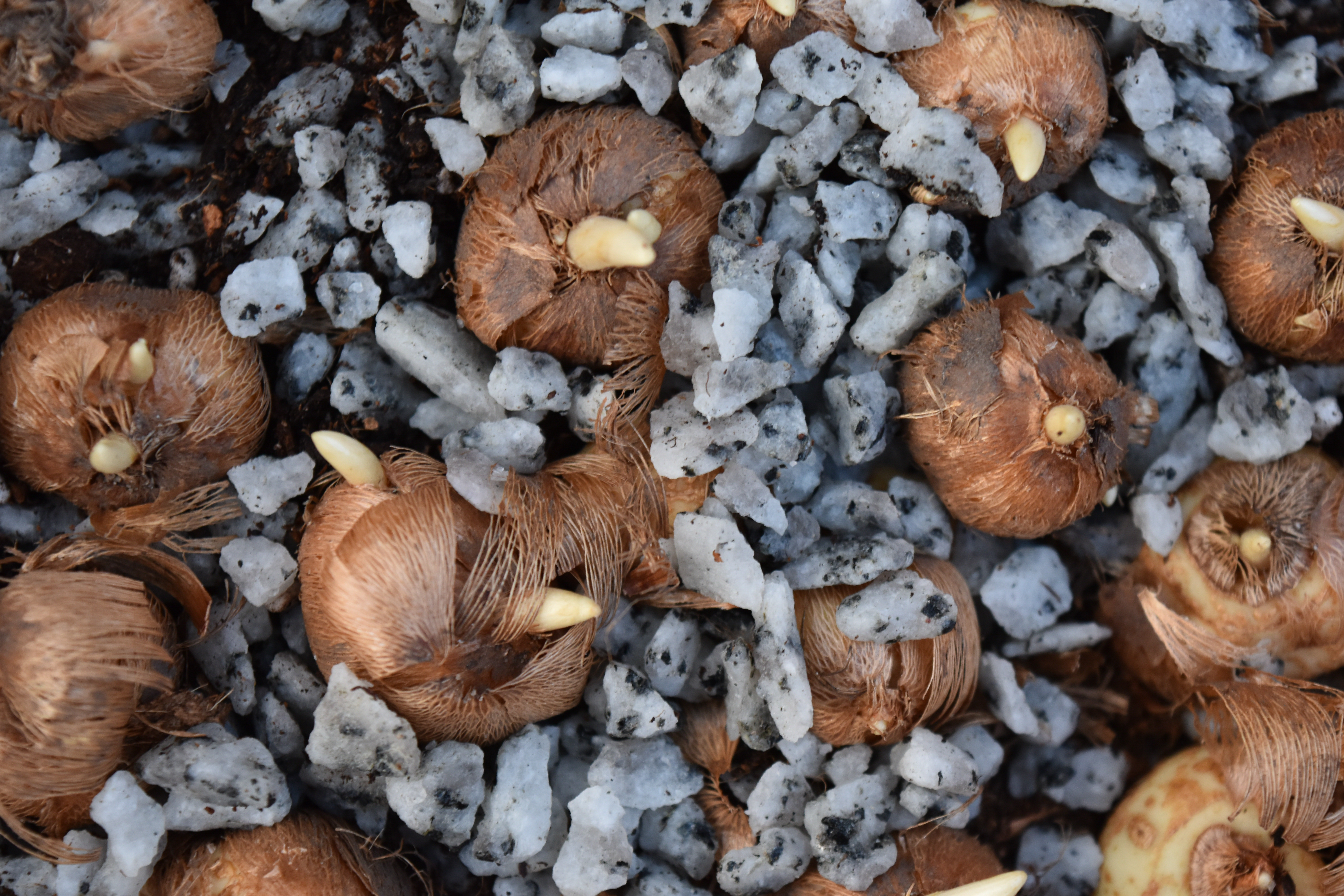
Chicken Grit in Gardens Summary
So to summarize using chicken grit in gardens.
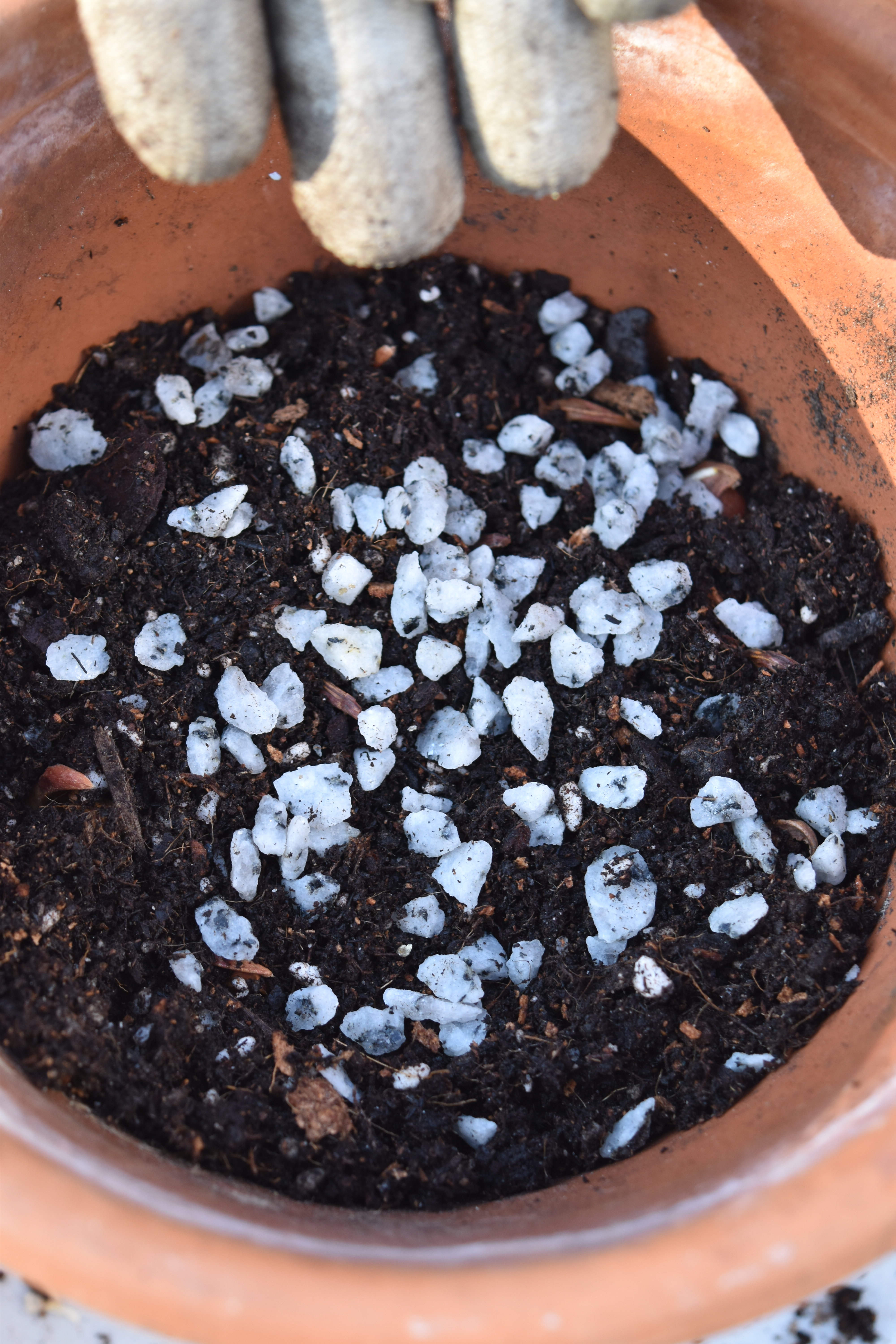
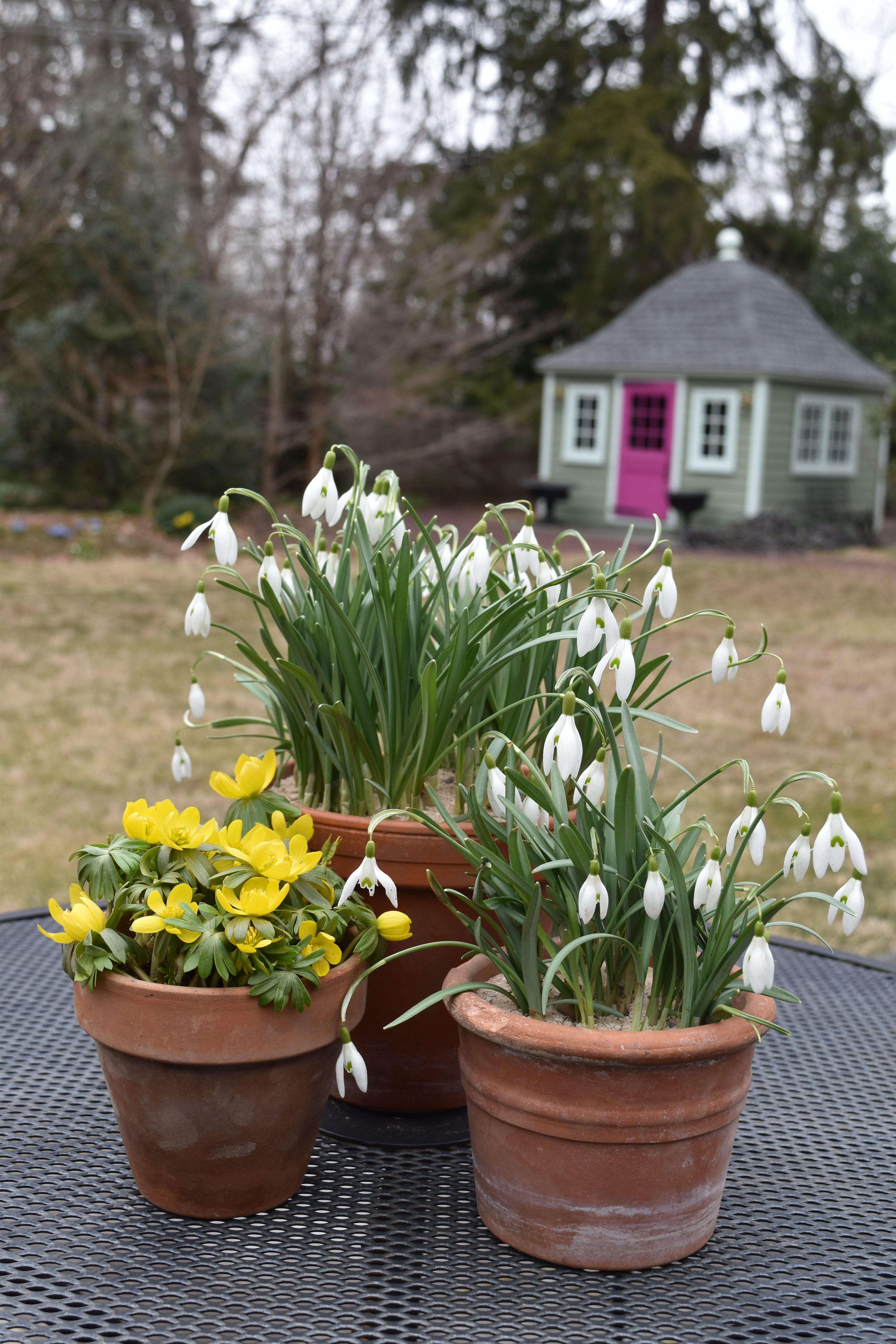
- Chicken grit is a useful inorganic material that we use as a top dressing on containers of plants that need great drainage like bulbs, rock-garden plants, and silver-leaved herbs like lavenders and rosemary.
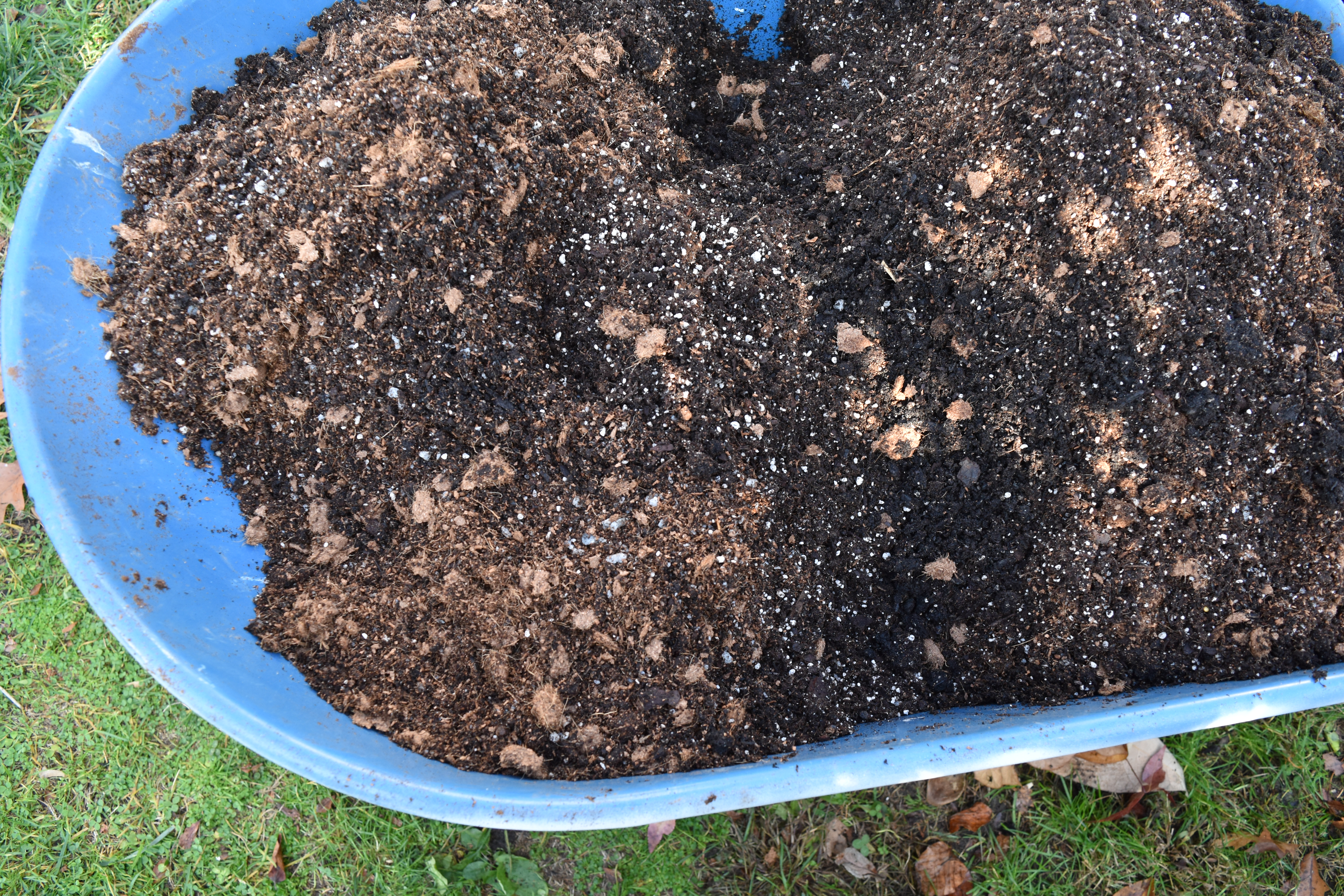
- Grit is great mixed into container potting mixes to help water to drain through the soil and prevent rotting of bulbs and drought-tolerant plants.
- Chicken grit can be used on top of the potting soil when planting seeds or taking plant cuttings.
- In flower beds – where the soil is clay-based- adding chicken grit can open up the soil texture and help plant roots to easily grow through the soil.
- One added benefit is that soil digging small mammals do not prefer digging into grit so we do use it around sensitive plants.
- The light color of the chicken grit is great underneath silver-leaved plants like lavender to reflect heat and light up into the undersides of the plant to prevent rotting.
I hope that you find this advice helpful. If you do – please tell your gardening buddies. Bye for now Gardening Friends. Jenny Rose Carey
Discover more from Before You Garden...
Subscribe to get the latest posts sent to your email.
 Before You Garden...
One Response to Using Chicken Grit in Gardens and Containers as a Mulch and to Increase Drainage in Soil
Long before I discovered Gardeners World–long before the Internet, in fact–I was reading British gardening books and perplexed by the advice to “topdress with grit.” Like you, I finally figured out that chicken grit was the answer. I asked my husband to pick up some chicken grit when he was going to the feed store for other reasons. He came home with crushed oyster shells! Depending on location, that is also used as grit for chickens but is not what you want for your potting mix. The brand I get is Grani-Grit.