Forde Abbey, Somerset, England

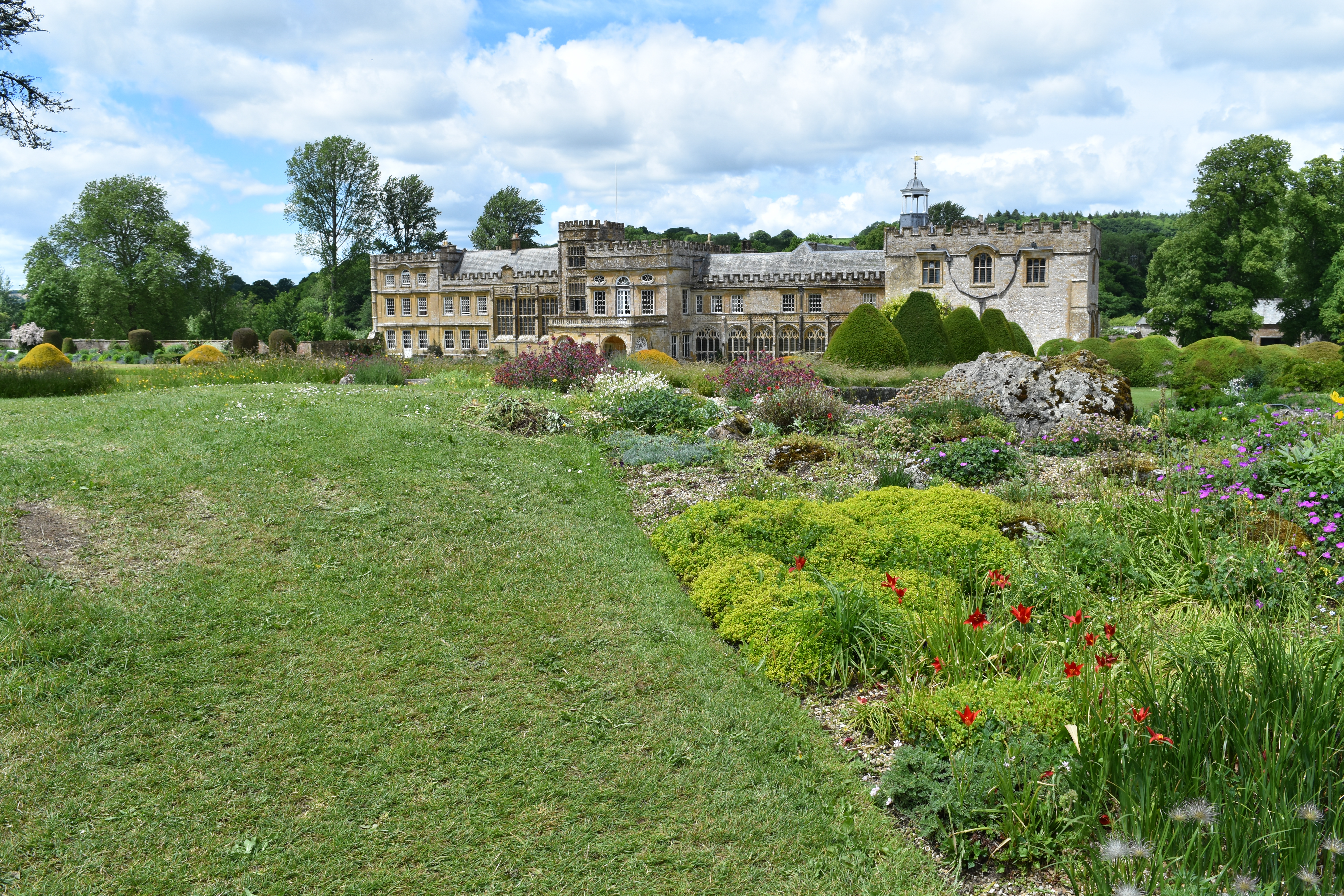
A view to the South front of Forde Abbey in Dorset
Forde Abbey and Gardens in the southern county of Somerset was founded by monks over 800 years ago.

It is easy to get overwhelmed when visiting a garden. There are scents, sounds, and visual experiences to take in and process. In this next series of blogs I will take images from some English gardens and explain how I walk around a garden and what I notice. These ideas will be random and include design, plants, and experiences.
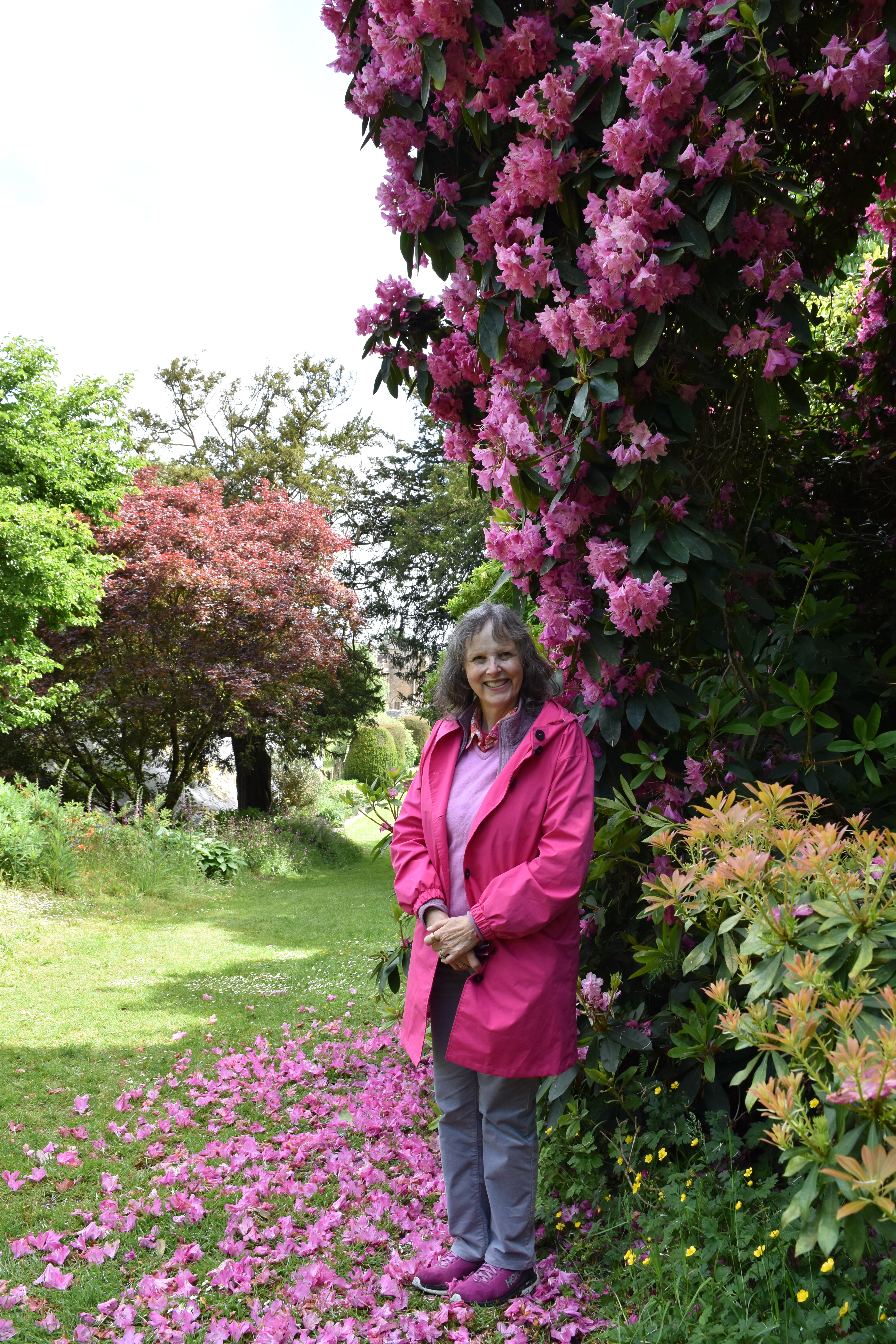
Jenny Rose Carey wearing pink clothes next to a pink Rhododendron that is dropping some petals in a puddle on the grass below
Jenny Rose Carey – In the Pink at Forde Abbey with a matching pink rhododendron.

Forde Abbey is the first English garden to be virtually explored in this series.

The first major building at Forde Abbey was a monastery situated next to the River Axe and facing south. After King Henry VIII dissolved the monasteries in 1539, it was neglected for over a century. In the 1660’s the house was redeveloped. Since then the extensive gardens have been designed, planted, and cared for. There are 30 acres to explore that are nestled into the picturesque Somerset countryside.

Love it or Hate it? – The Controversial White Bench
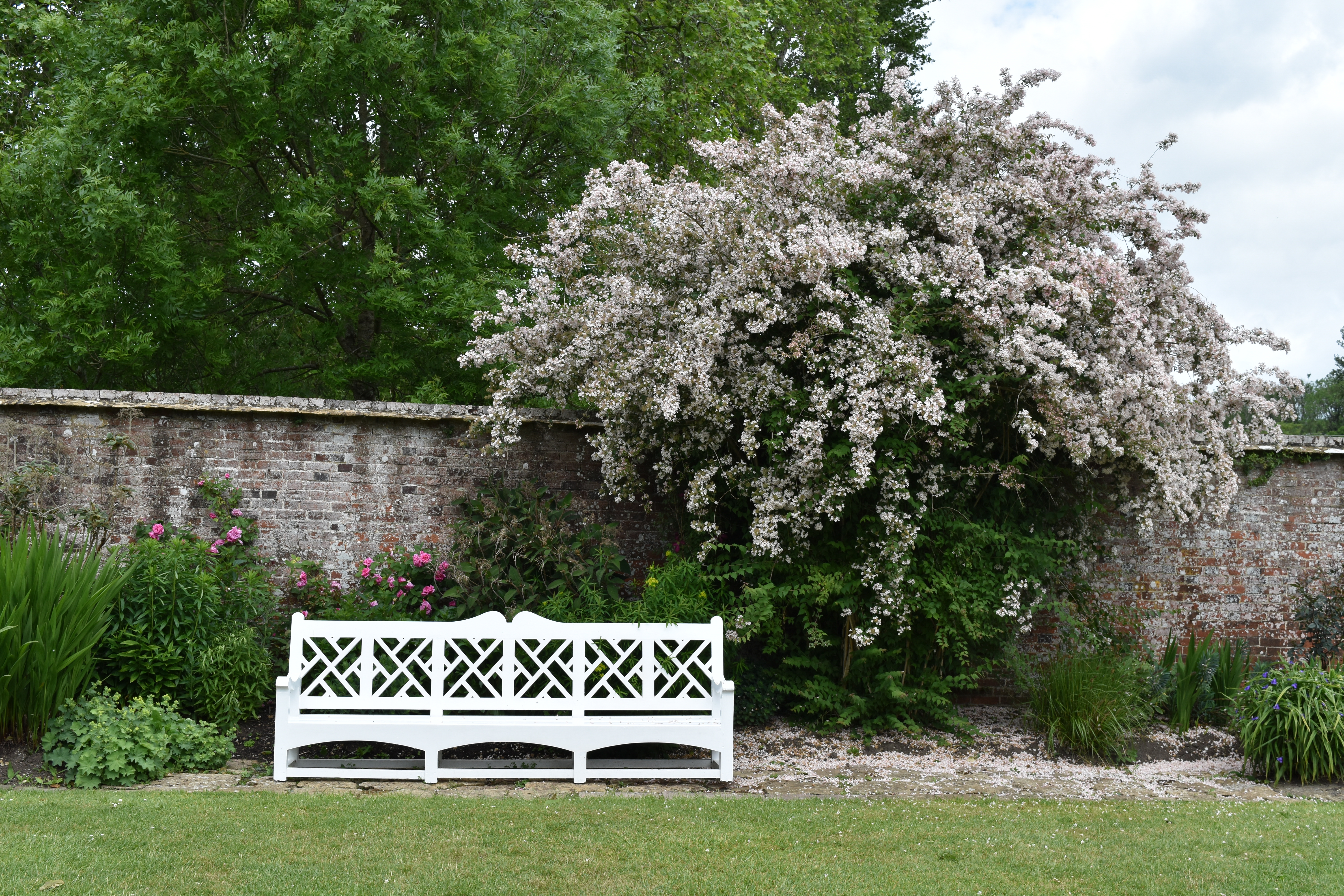
The inviting white bench with wall behind and grass path in front. Plants surround the bench
A long white bench is an inviting place to rest your legs.

After a while of walking I looked for a place to sit and think about what I had seen so far. There was a convenient long, white bench that was backed by an old wall. The day was pleasant but a little chilly. The wall sheltered me and the surrounding plants from the wind and created a little microclimate. The view from the bench was along the green walk and across it to the dense planting around the Long Pond.
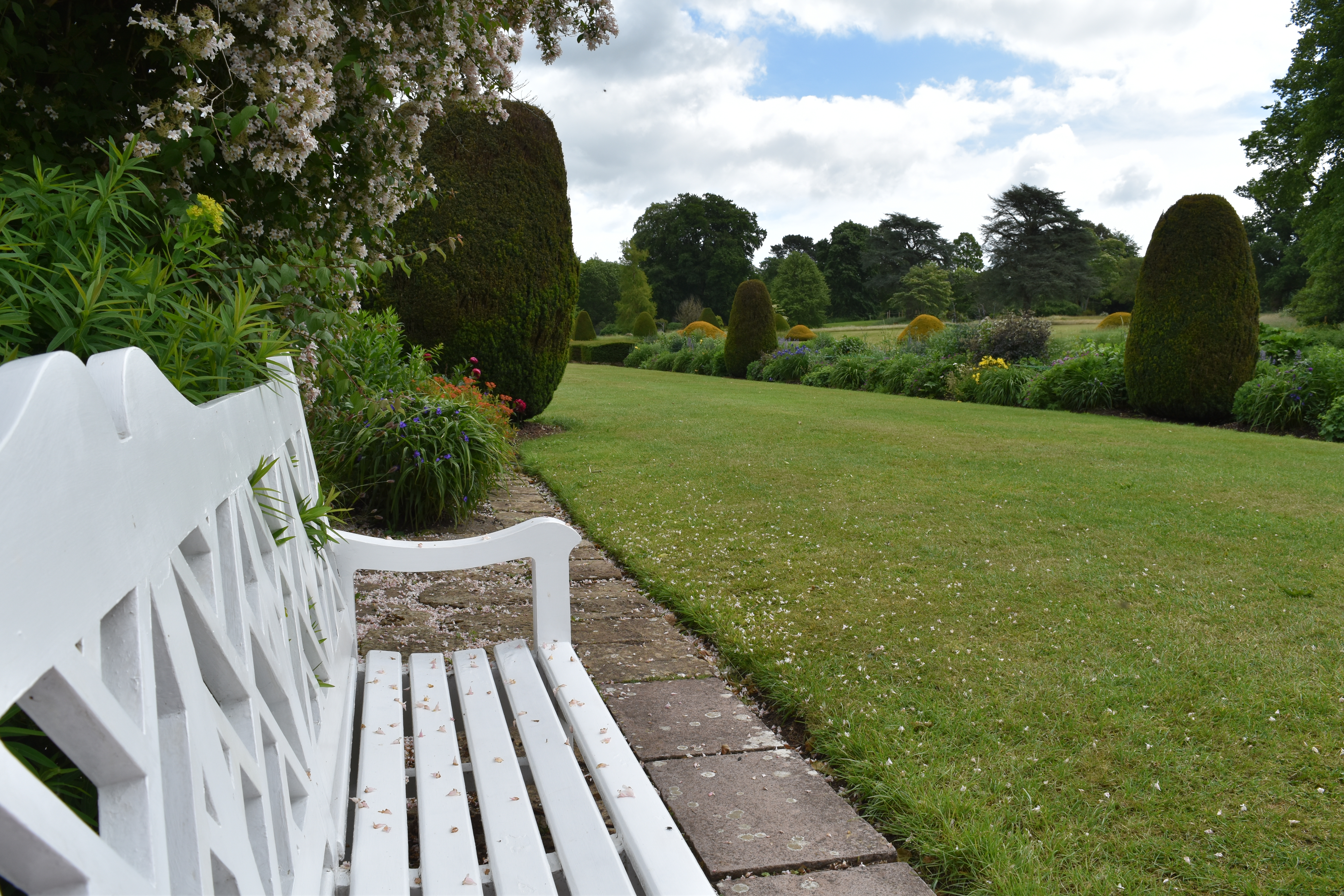
View  from the white bench along the grass path
From the bench there is a lovely view along the long grass walk.
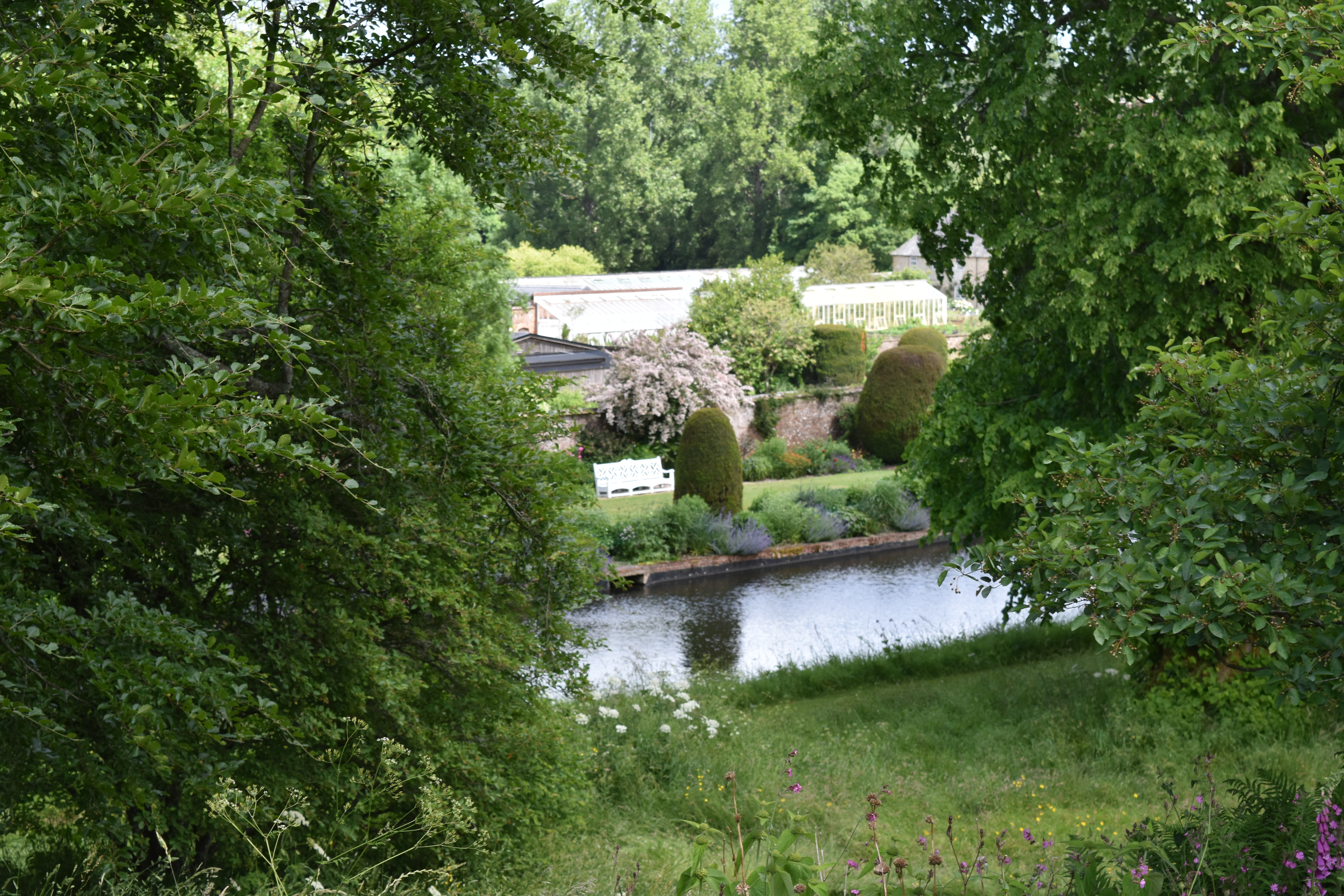
View from the hill above the Long Pond - the white bench is visible
The bench can still be seen from the hill above. White is a controversial bench color. Some people love its classic, cool, good looks, while others feel that it stands out too much in a garden. What do you think?

I continued my walk up the grass walk and later I realized that I could see my bench from above. It was a nice surprise and put the bench in context with the rest of the garden. The funny thing about benches is that they need to be attractive enough to get you to sit on them and then comfortable, but they are also a wonderful focal point from further away.

Think about places to sit in your own garden and whether they need to be moved to be more useful or as a focal point to draw you to sit on them and contemplate your own space.

Water Adds so Much Life to a Garden
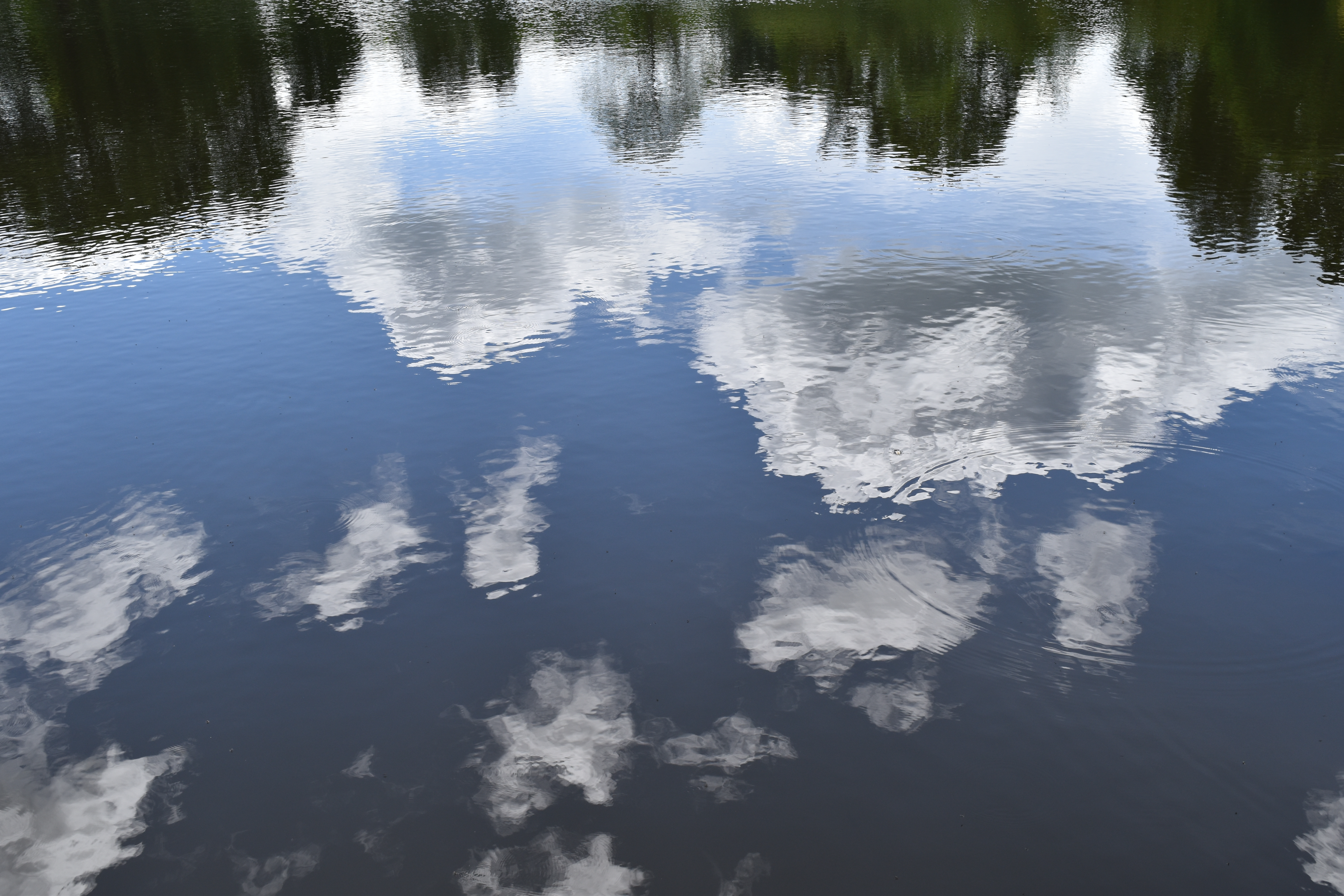
White puffy clouds are reflected in the Great Pond at Forde Abbey
Water was a motif at Forde Abbey that was shown to advantage in various guises. There were lovely reflections in the Great Pond that dates from the time of the Monastery. It was probably stocked with fish for eating.
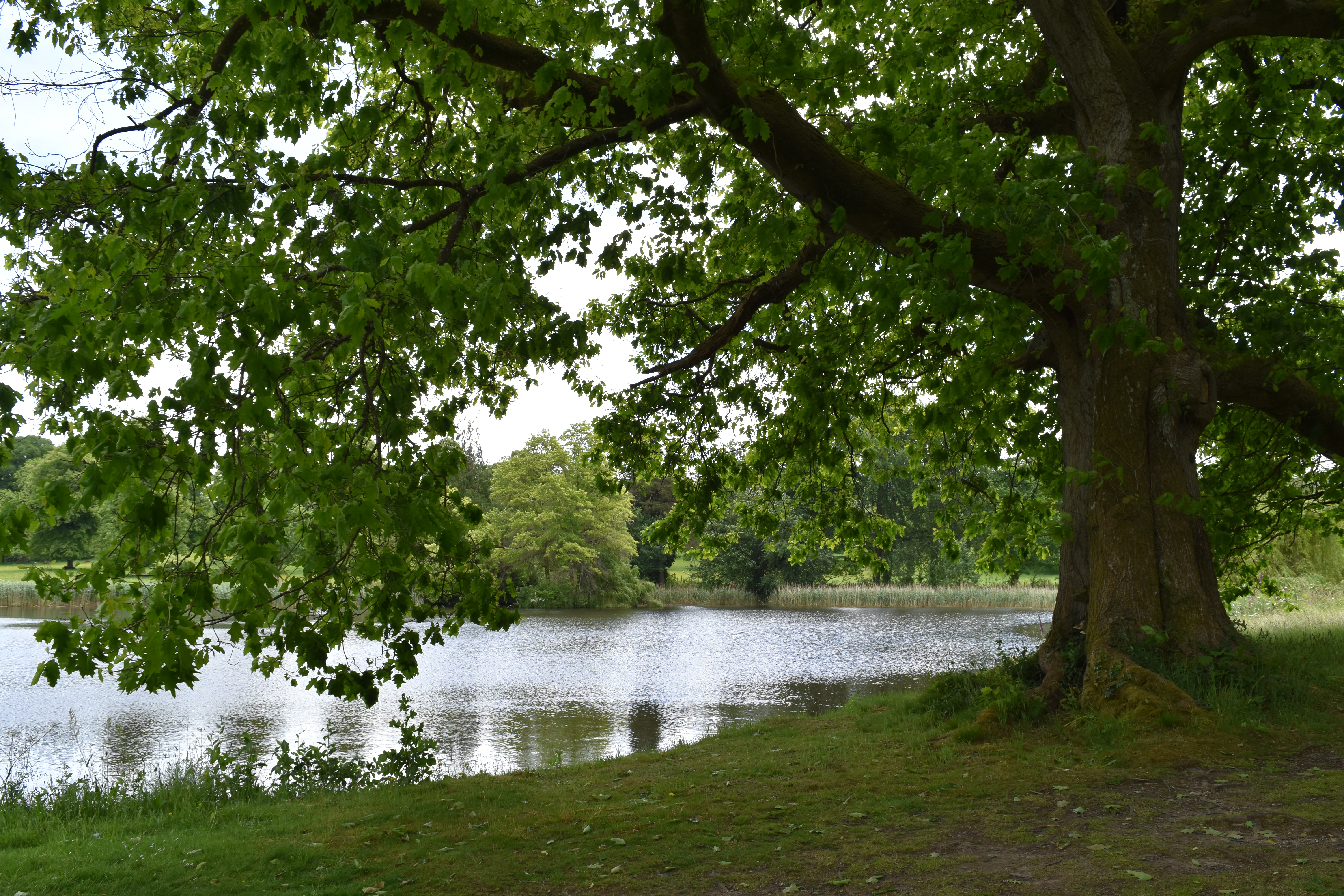
A huge red oak tree leans out over the great pond at Forde Abbey in Dorset England
A North American Red Oak hangs over the Great Pond. The trees at Forde Abbey are old and magnificent.
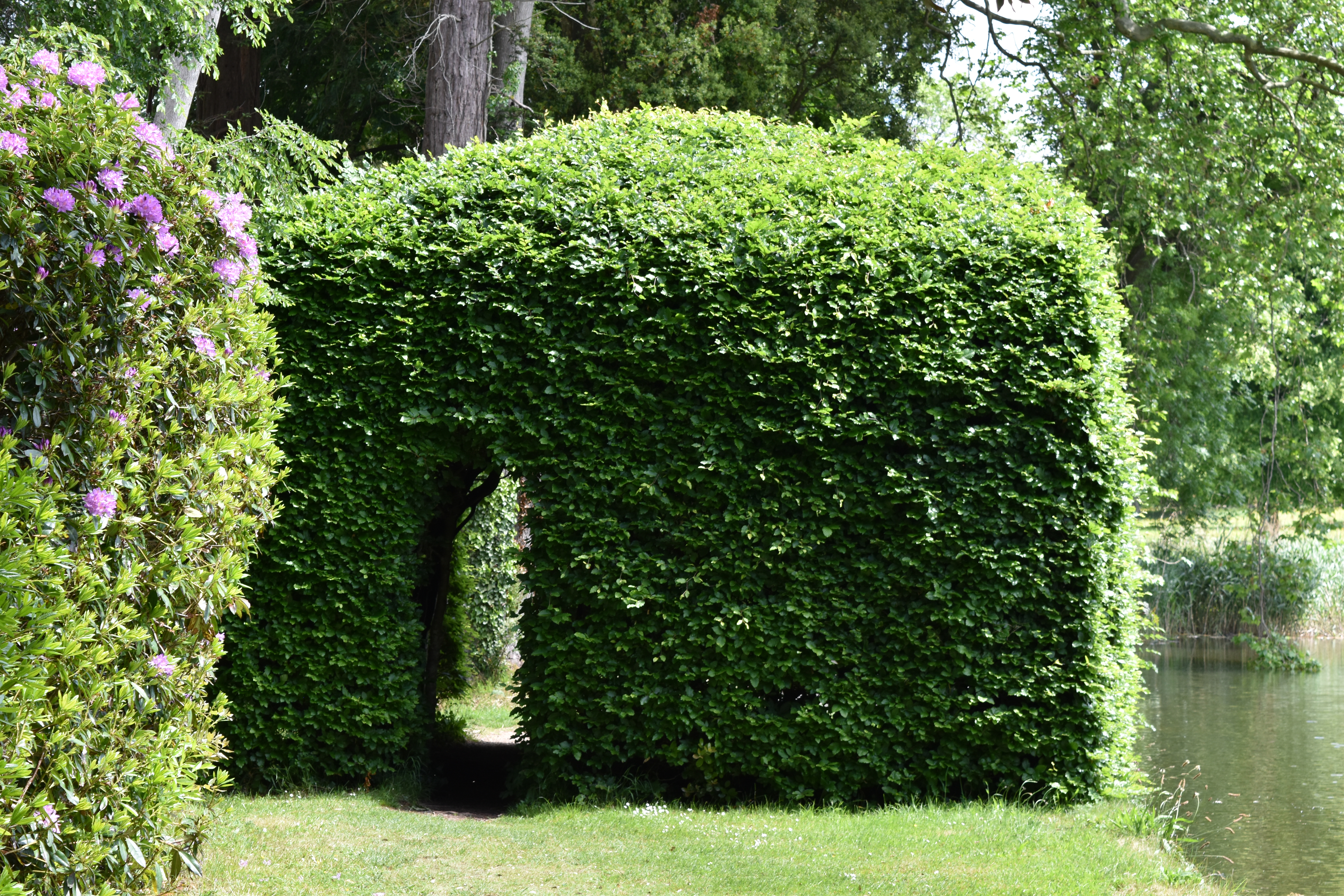
A tree house with an arched door - made out of trimmed beech trees
Also by the Great Pond this fun house-like structure made of Beech trees.

Some of the water features where added during the 18th Century craze for the picturesque in gardens. Apparently the cascades and ‘chain of ponds’ were an early example of this trend.
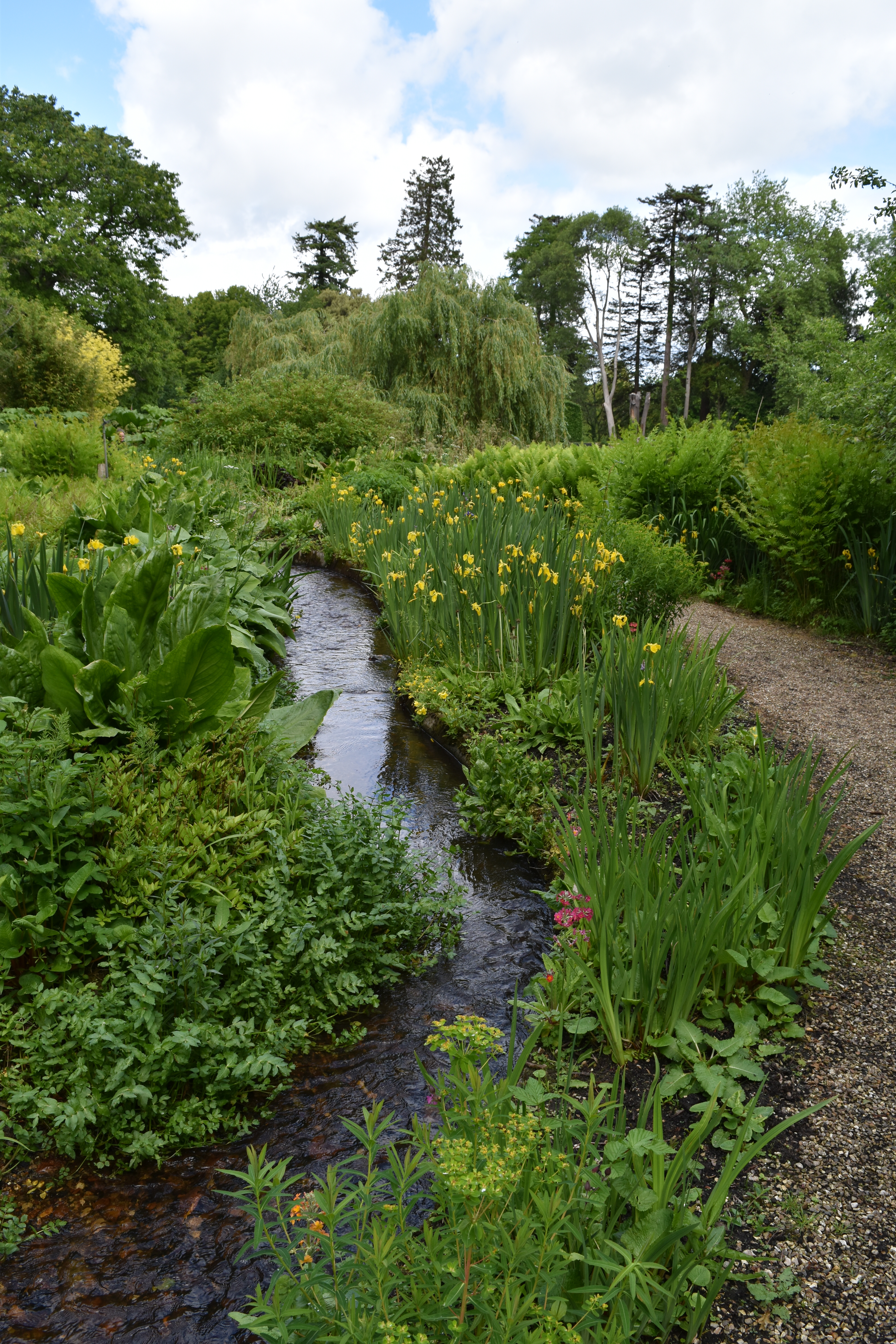
A stream meanders through the bog garden at Forde Abbey. Yellow irises flank the stream
Running water and soggy soil for wet-loving plants in The Bog Garden.
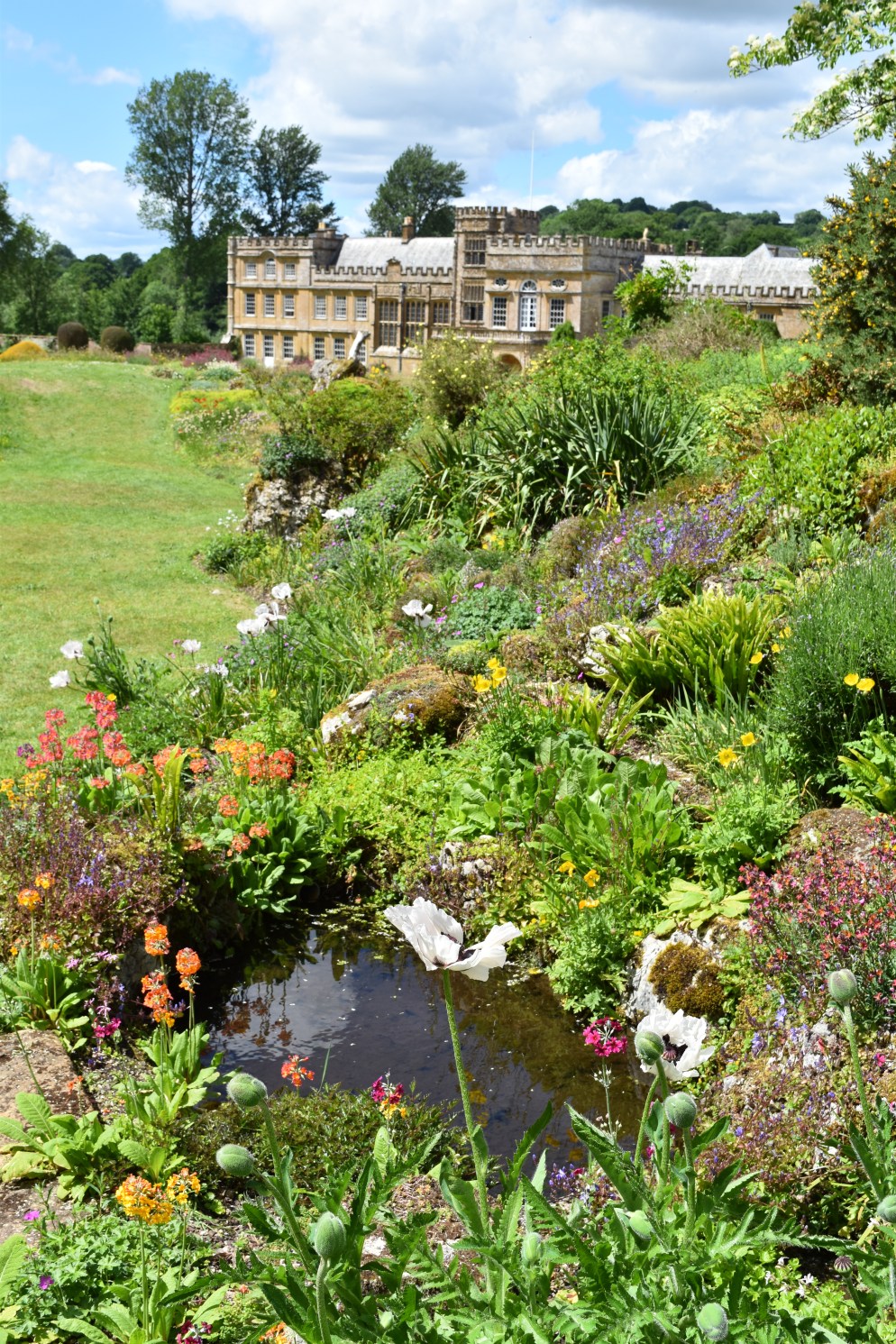
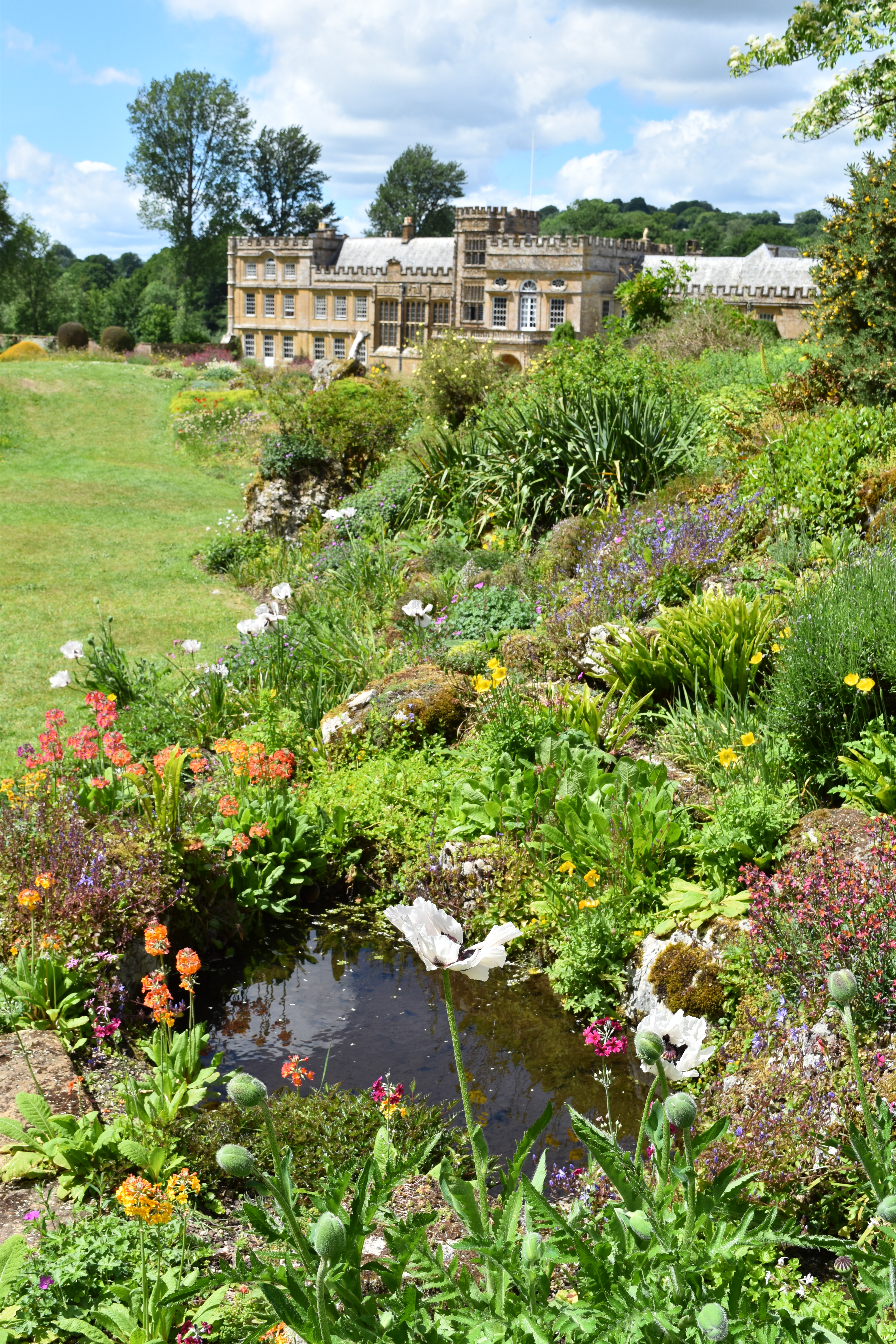
The rock garden at Forde Abbey with the house in the distance
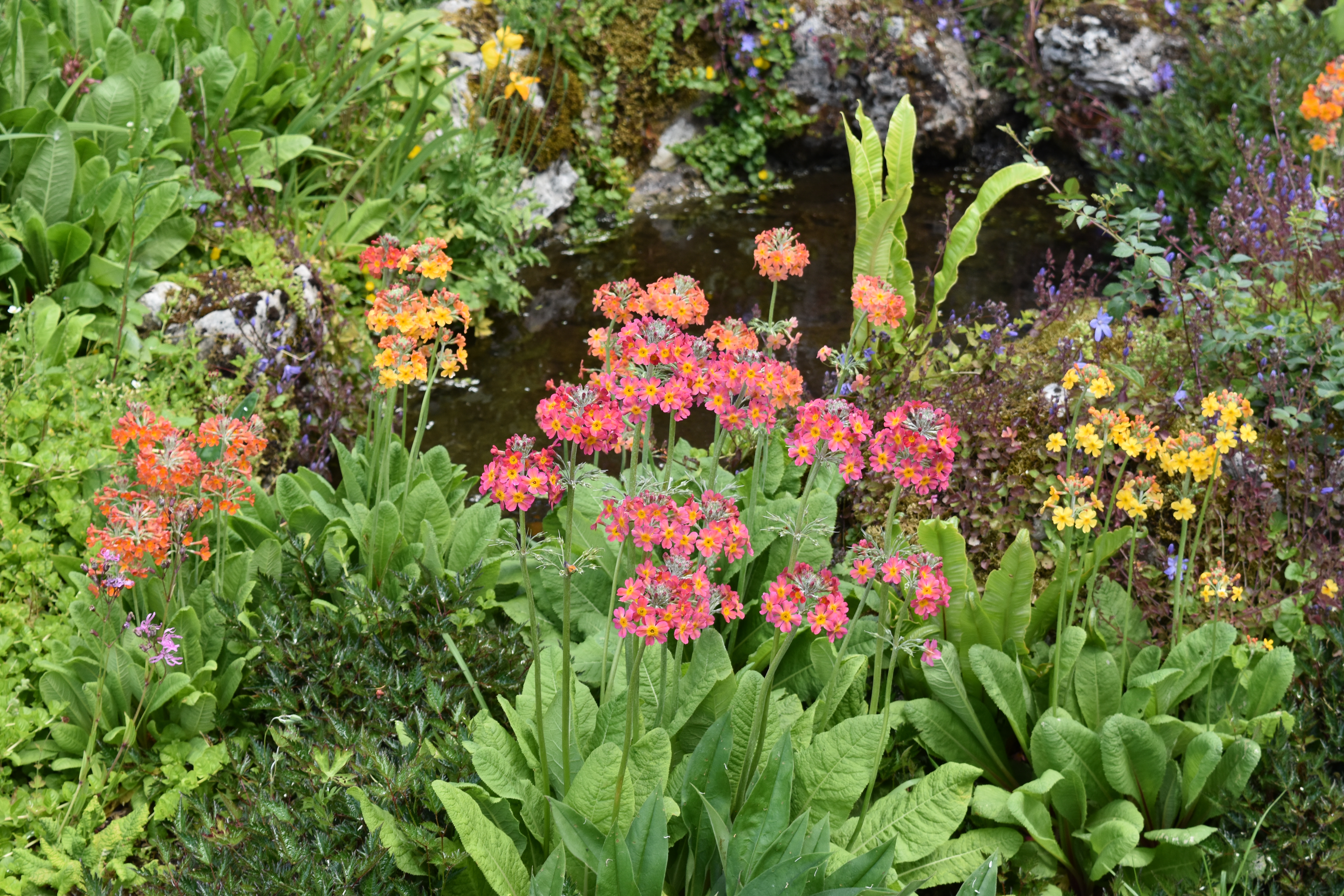
The water feature in The Rock Garden is surrounded by multicolored candelabra primulas.
Upright whorled blooms of candelabra primulas surround a pond in the rock garden
Candelabra primulas do best in moist soil and love the cool British summers.

A Few of My Favorite Plants at Forde Abbey

As we wrap up the tour of Forde Abbey here are a few plants that I loved on my visit.
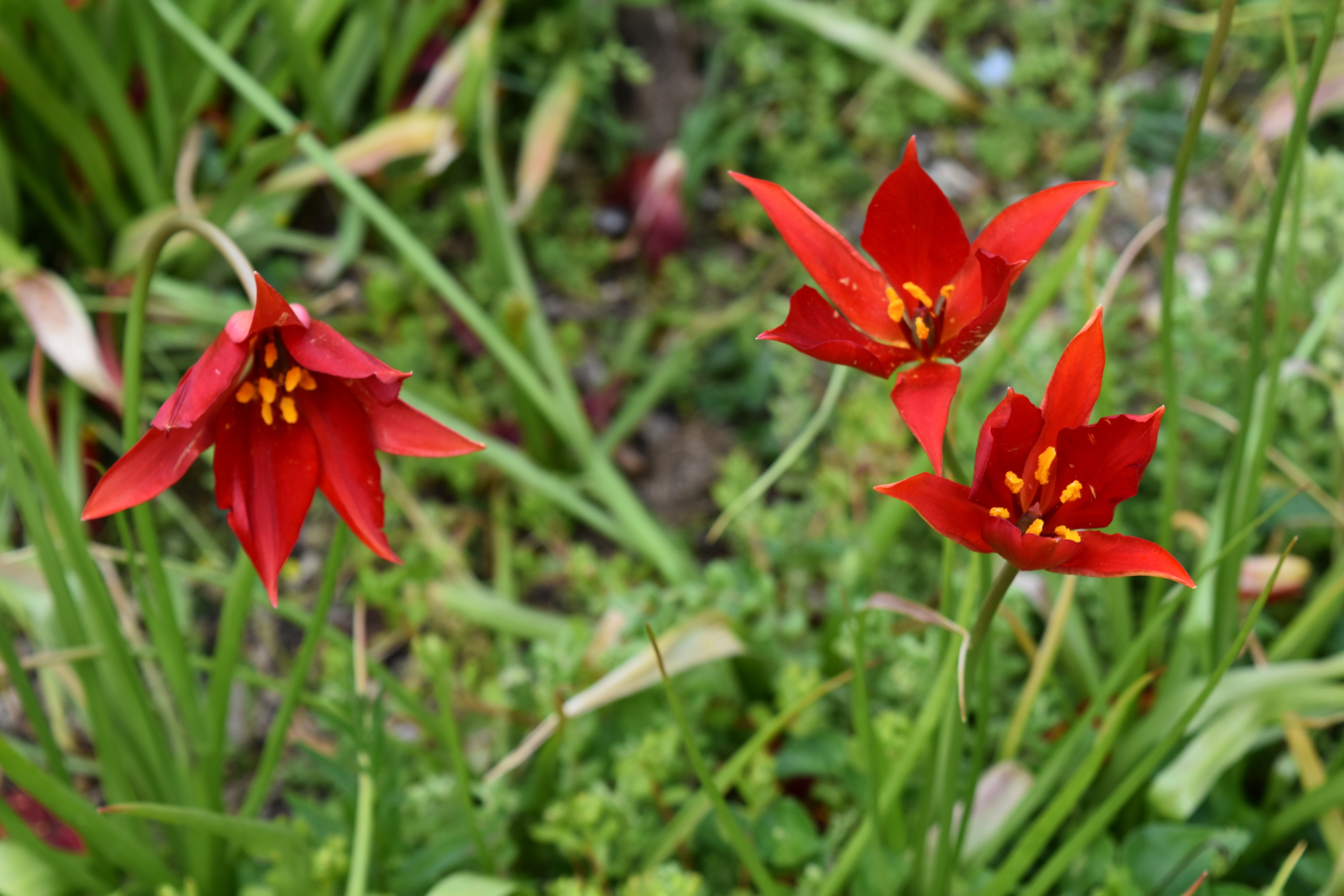
Three bright red six-petalled tulips against a green background of leaves
Tulipa sprengeri is the last species tulip to bloom. I would love to be able to grow this bright red Turkish jewel. Does anyone have a North American seed source?
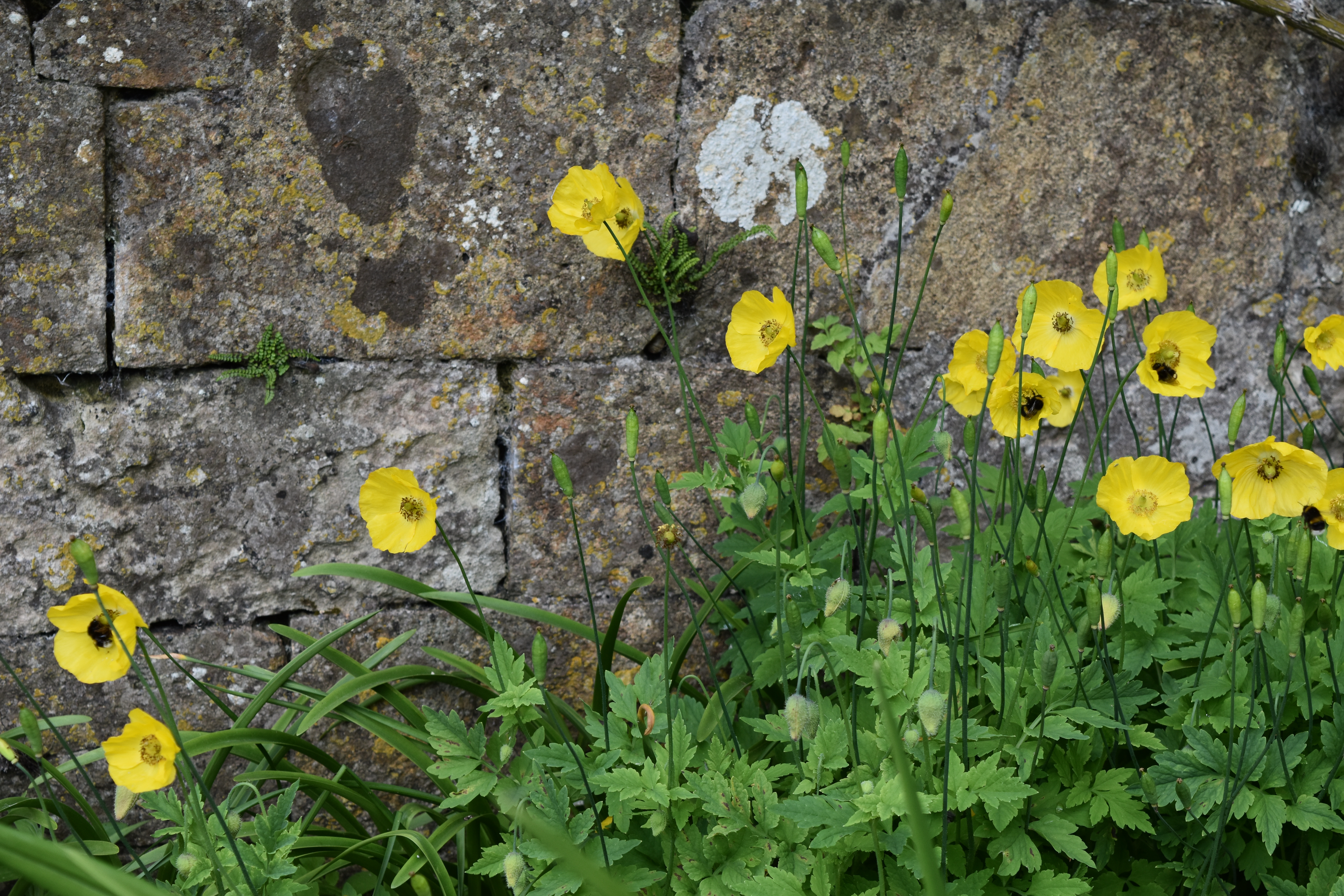
Delicate yellow cup-shaped blooms of Welsh Poppies in front of an old stone wall
The Welsh Poppy, Papaver cambricum, is a favorite of mine. At Forde Abbey it casually seeds itself in front of an ancient stone wall – just waiting to be photographed.
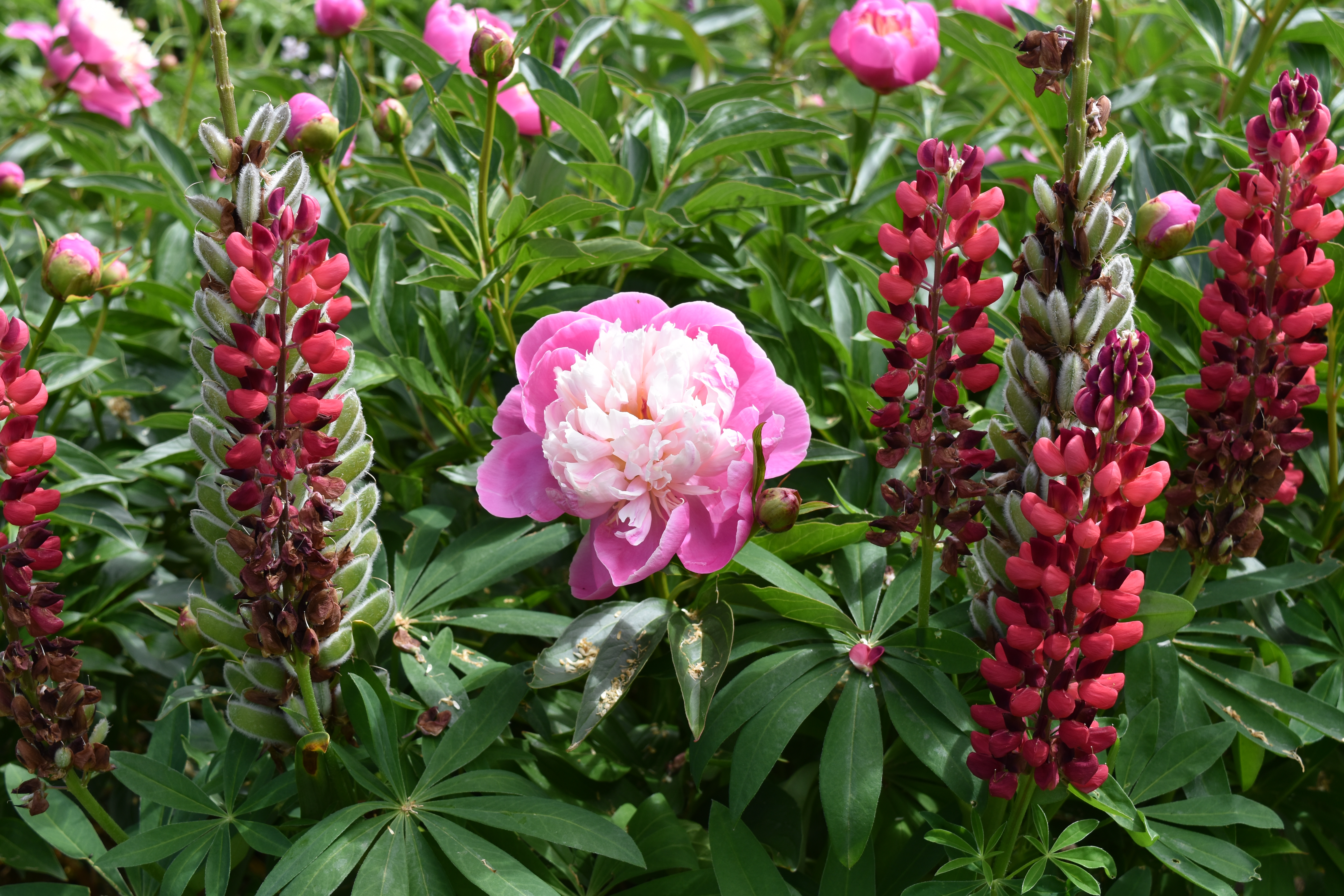
Pink and white open-faced peony with upright spires of red lupins either side
Sometimes combinations take you by surprise. Here the upright stems of the red lupins look amazing blooming at the same time and in the same bed as a pink and white bowl-shaped peony. The difference in shapes paired with the way that the dark stems of the Peonies pick up the color of the lupin flower really made this combination pop.
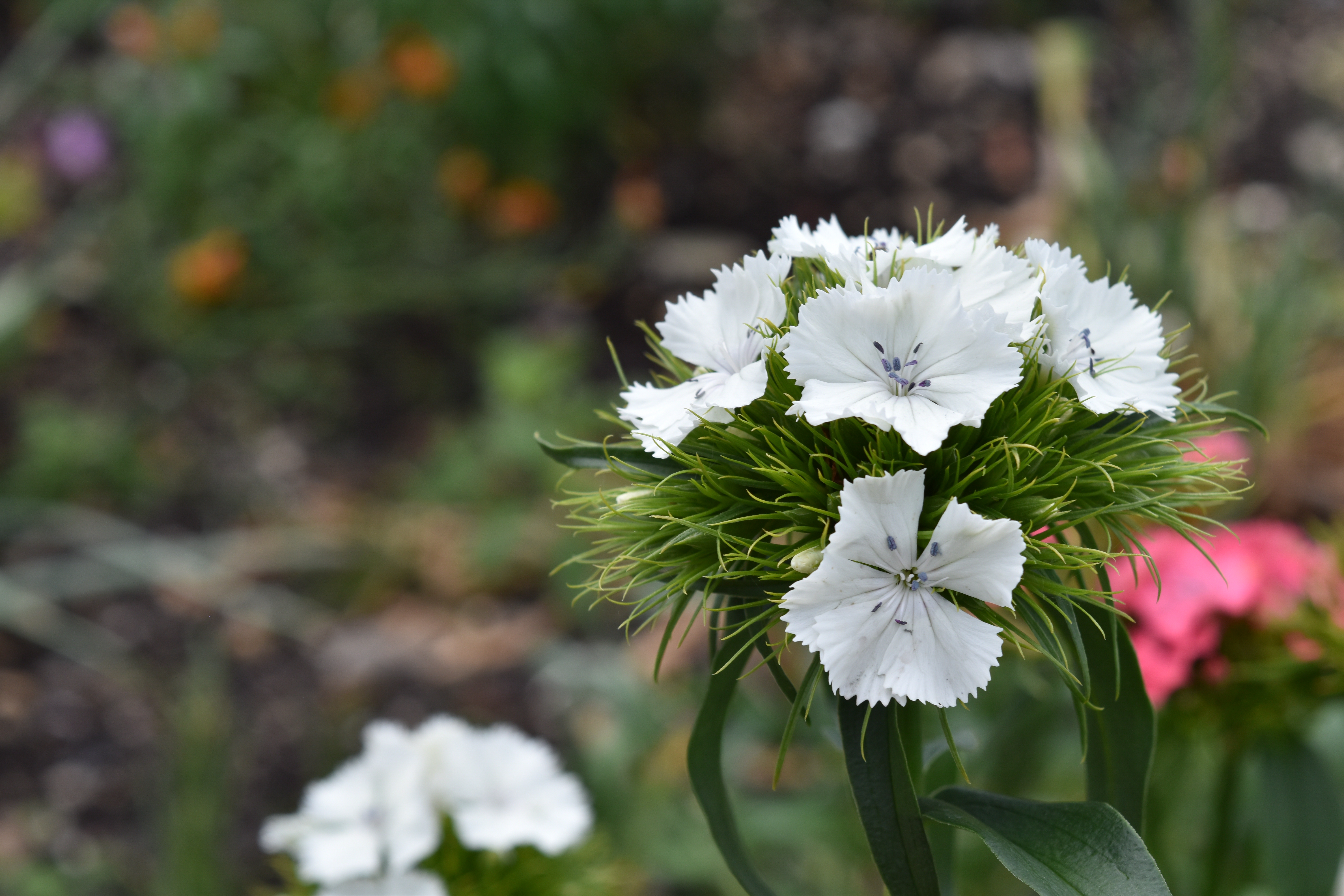
White flowered sweet william with purple anthers
Sweet William, Dianthus barbatus, that lived up to its name and was fragrant. So many of the ones that we grow in America are not fragrant. Now I am on a mission to find seed for a really scented Sweet William or two.
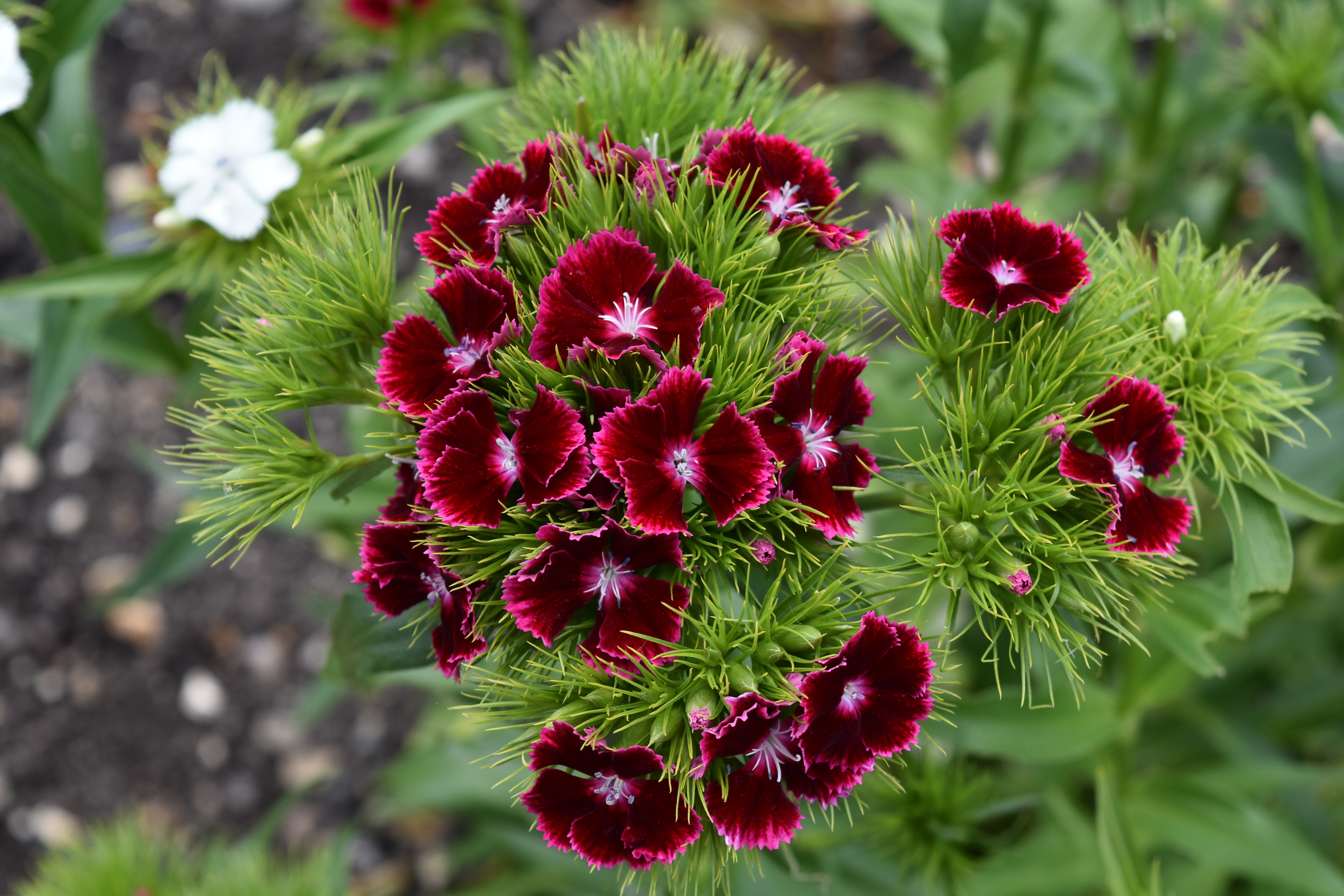
Dark Flowered Sweet William Flower with a little white eye in the center
I smelled every color of Sweet William and they were all fragrant!
The North front of Forde Abbey, Dorset, England
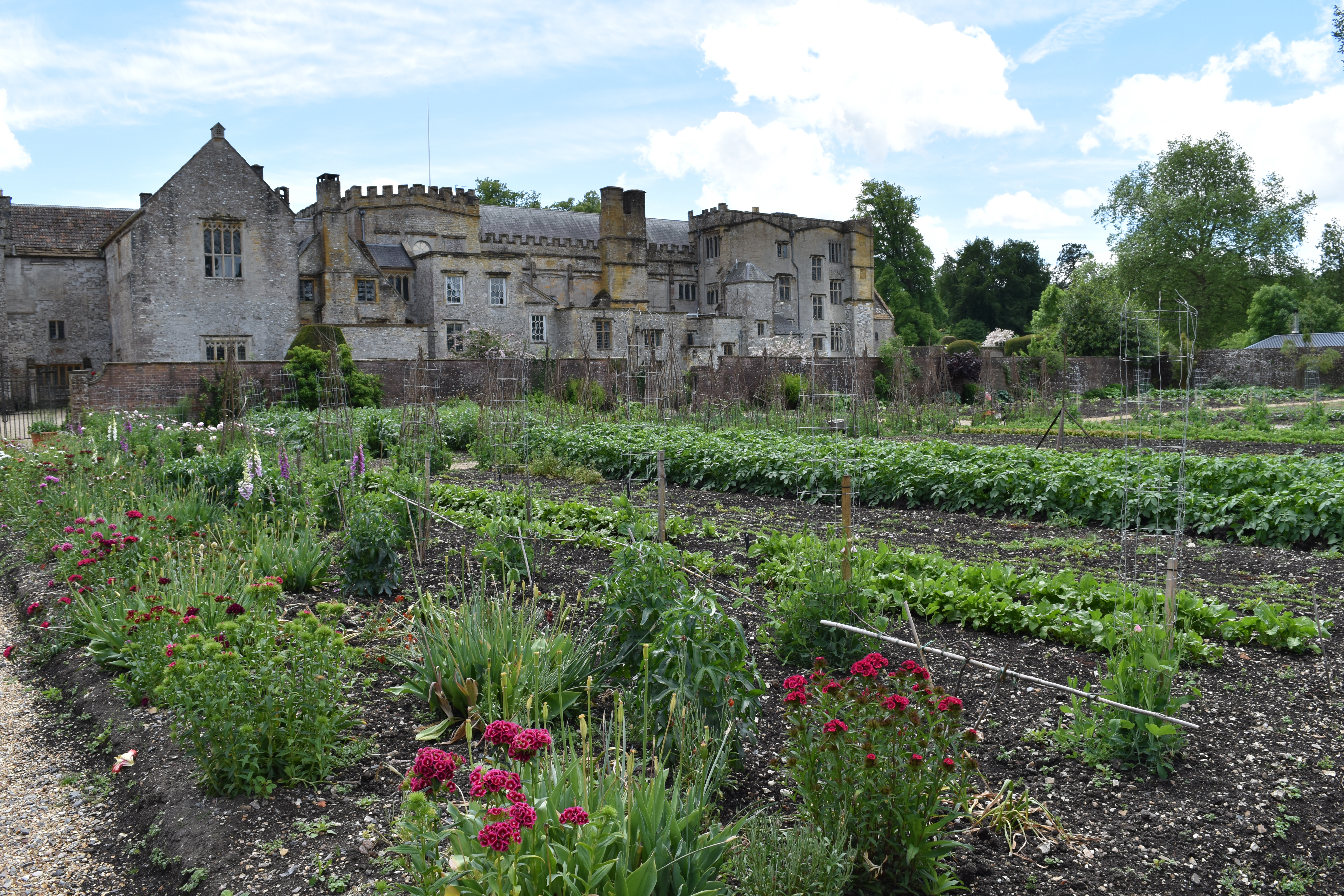
The back of Forde Abbey overlooking the Kitchen Garden. The row of scented Sweet William is along the left.

The day was rounded out with refreshments in the cafe – a delicious garden-grown beetroot and thyme risotto went down a treat – plus the color was a rich magenta pink.

The website for Forde Abbey is https://www.fordeabbey.co.uk/your-visit

Happy Garden Visiting Gardening Friends. Please comment if there are gardens that you would like to hear about. Cheers, Jenny Rose Carey


Discover more from Before You Garden...

Subscribe to get the latest posts sent to your email.