Seed Starting Options – Indoors or Outdoors
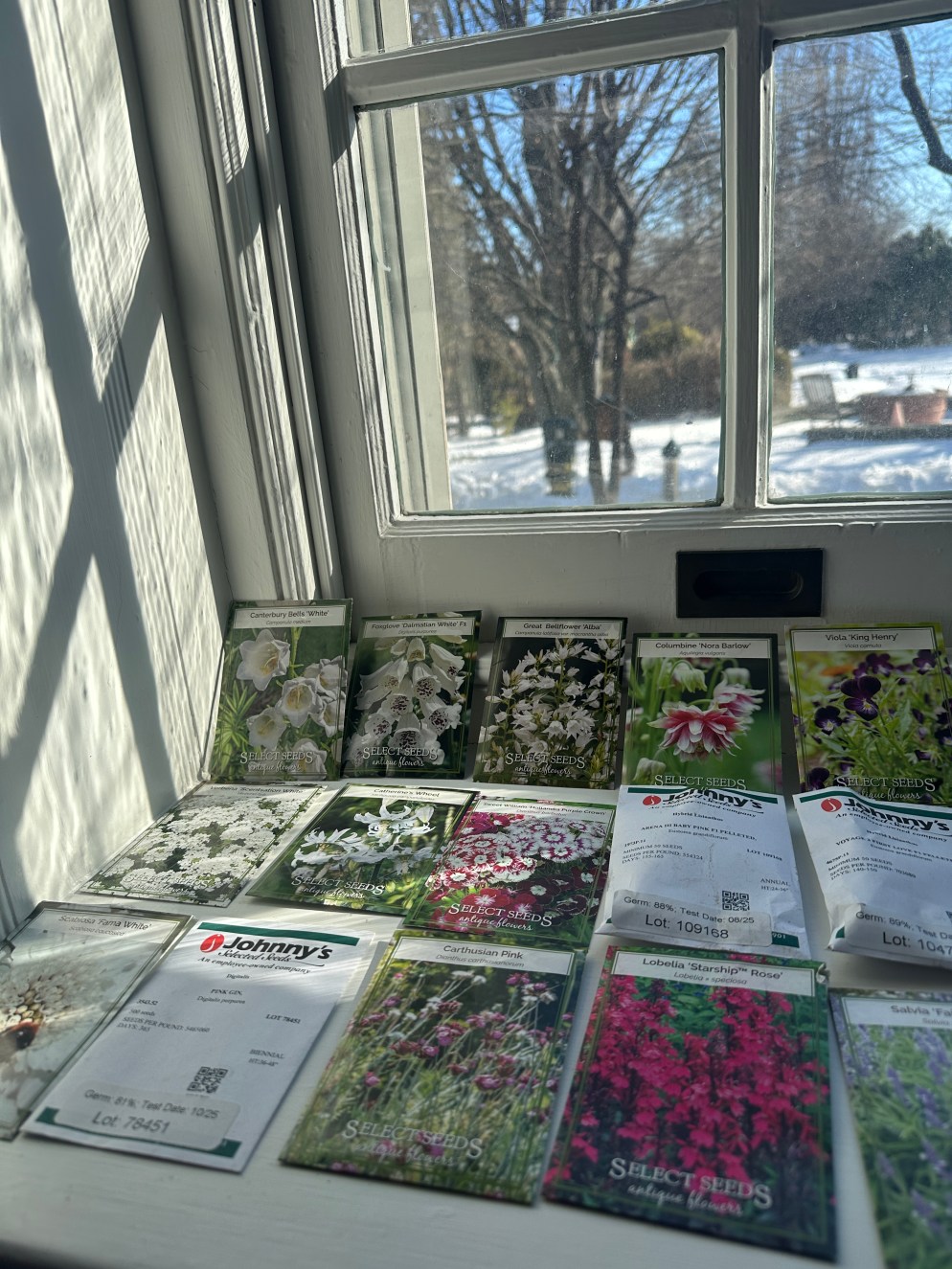
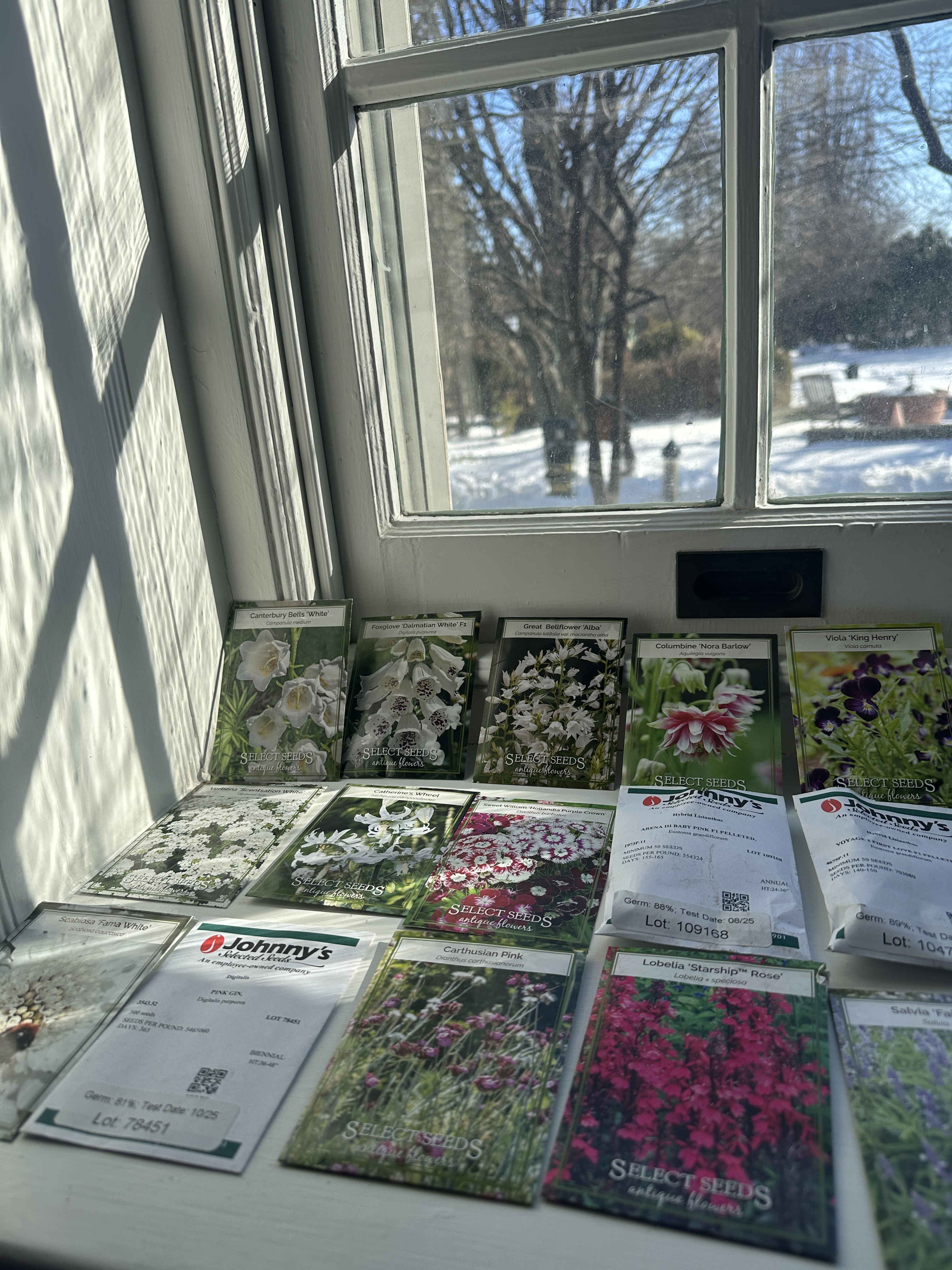
The snow is still laying around on the ground and many gardeners – like me- have had enough of it. We are waiting and waiting for it to be time to plant our seeds. I have arranged and re-arranged my seed packets by color and by planting time.
It is too early to plant directly into the ground outside, but it is time to sow early seeds into indoor planting trays. If you have never tried it before – have a go – it is easy and you grow lots of flowers to fill up your garden and to share with friends.
Outdoor Seed Planting – Cool-Season Annuals and Warm-Season Annuals
First – read the backs of the seed packets and find out whether it is suggested that you plant the seeds inside or outside. Some seeds are best planted straight outside into the soil. These can be divided into two groups – cool-season annuals and warm-season annuals.
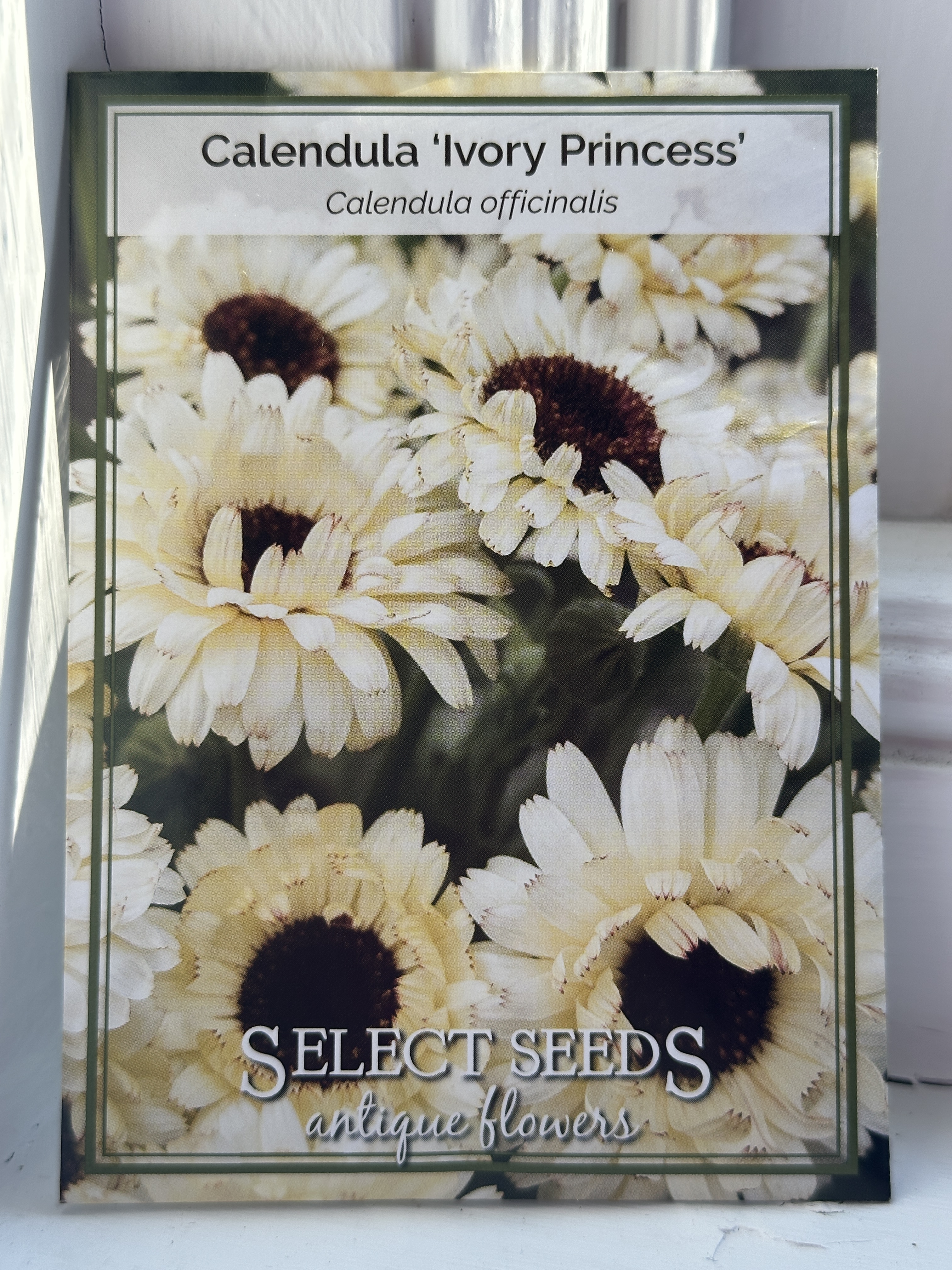
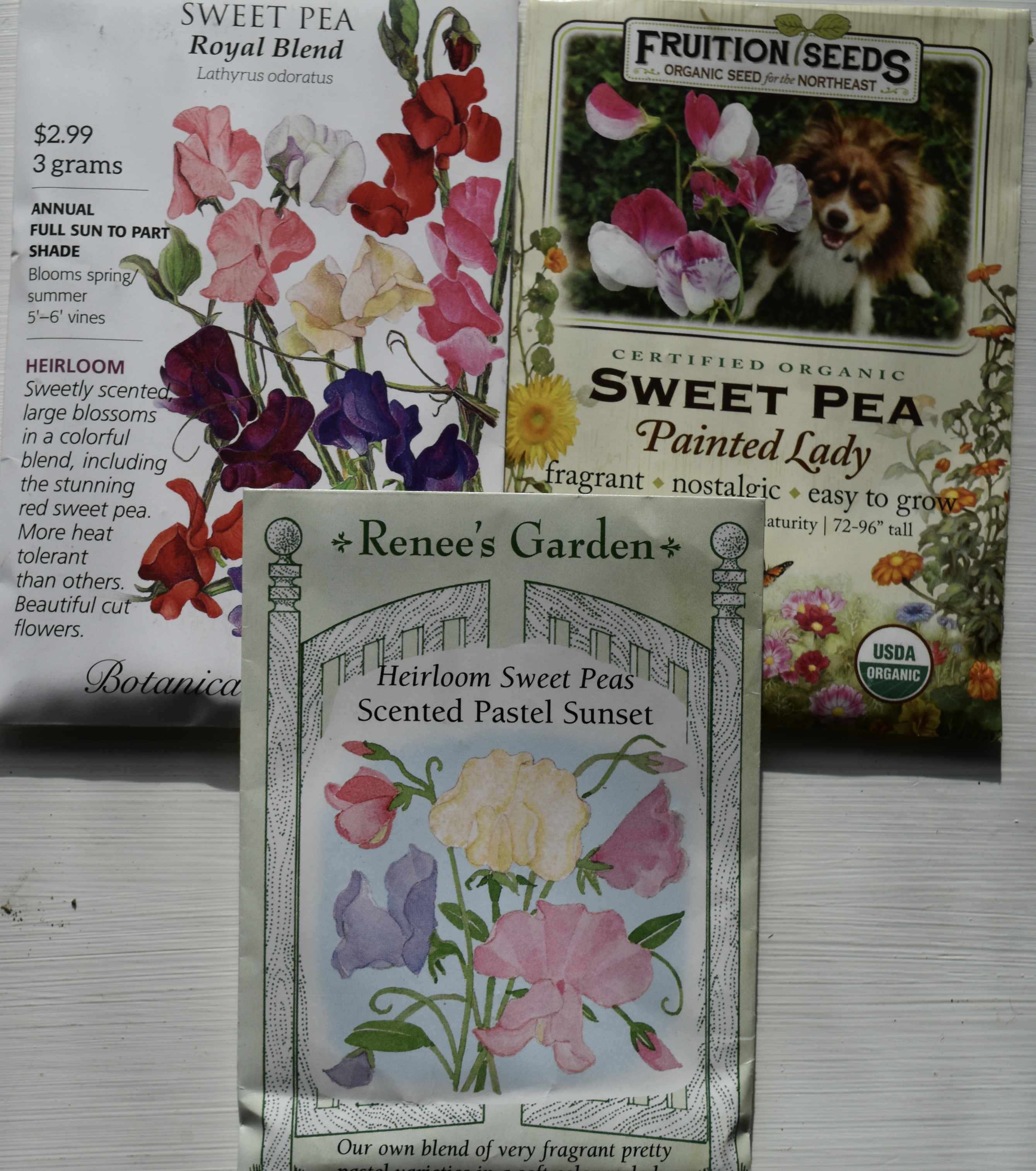
Cool-season annuals are ones that can take some cold weather. These tough seeds can be planted directly into the soil as soon as the snow is gone and the soil is visible. In our Zone 6-7 climate we plant these around St. Patrick’s Day – 17th March. But we have to play it by ear – some years earlier by a week and others a week later. We like to plant sweet peas both outside and inside to make sure that we have some of these delightfully scented flowers. Another cool-season favorite is Calendula (pot marigold)
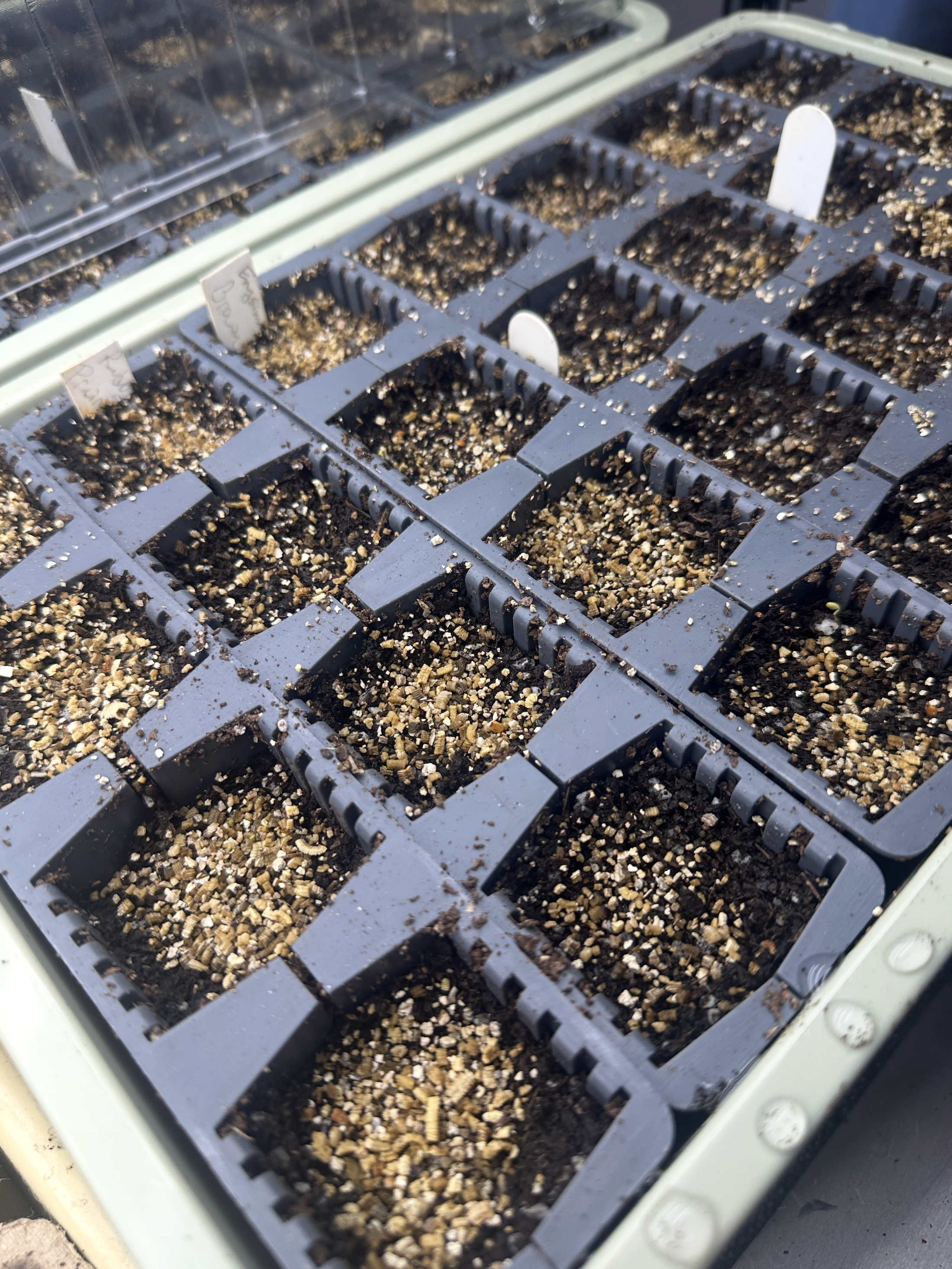
Warm-season annuals like this gorgeous dark-flowered sunflower that has large seeds that are easy to plant directly in the soil, where you want them to bloom, after the snow has melted, and the soil has warmed up to about 60 degrees F.
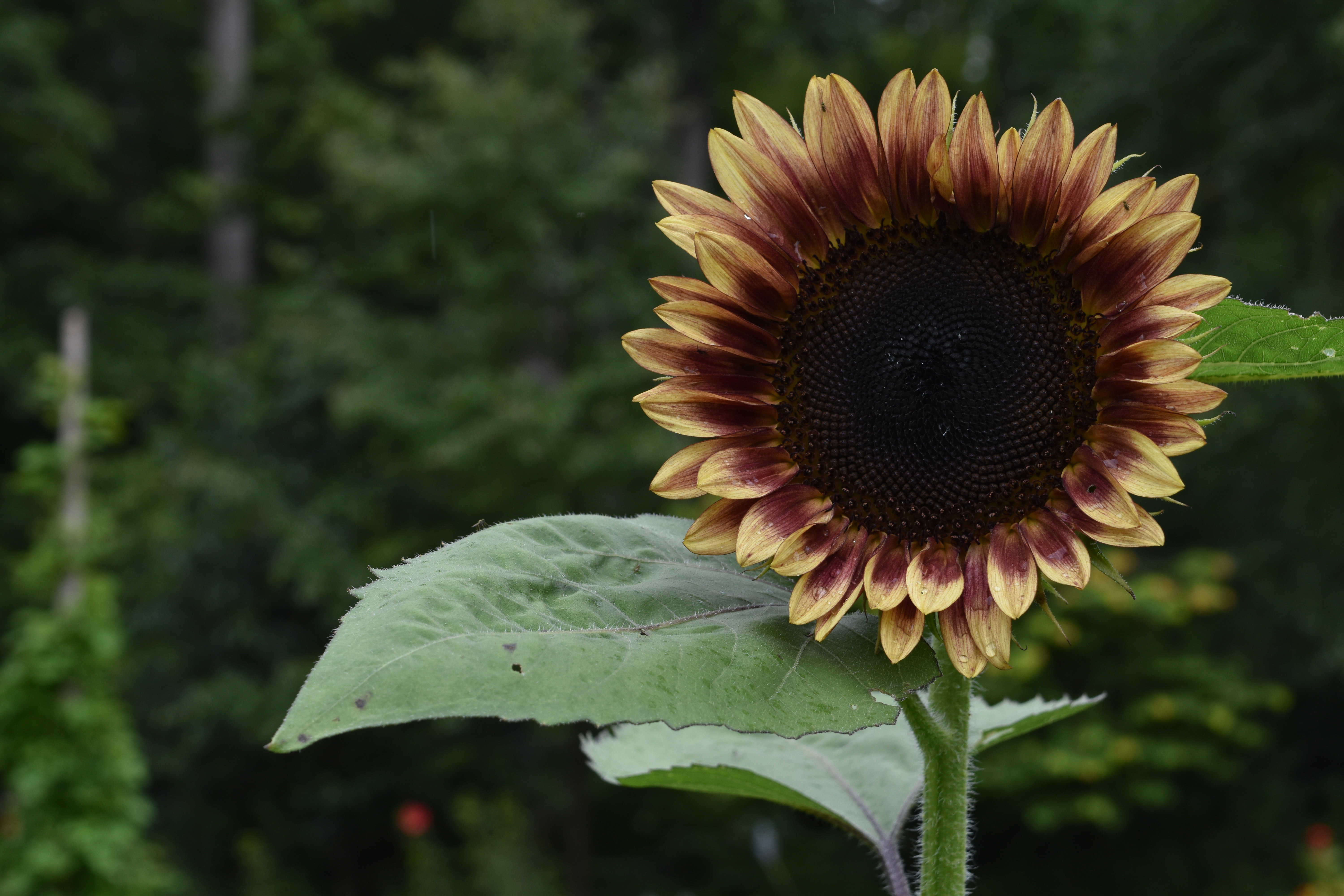
Seed Planting Inside in Early Spring
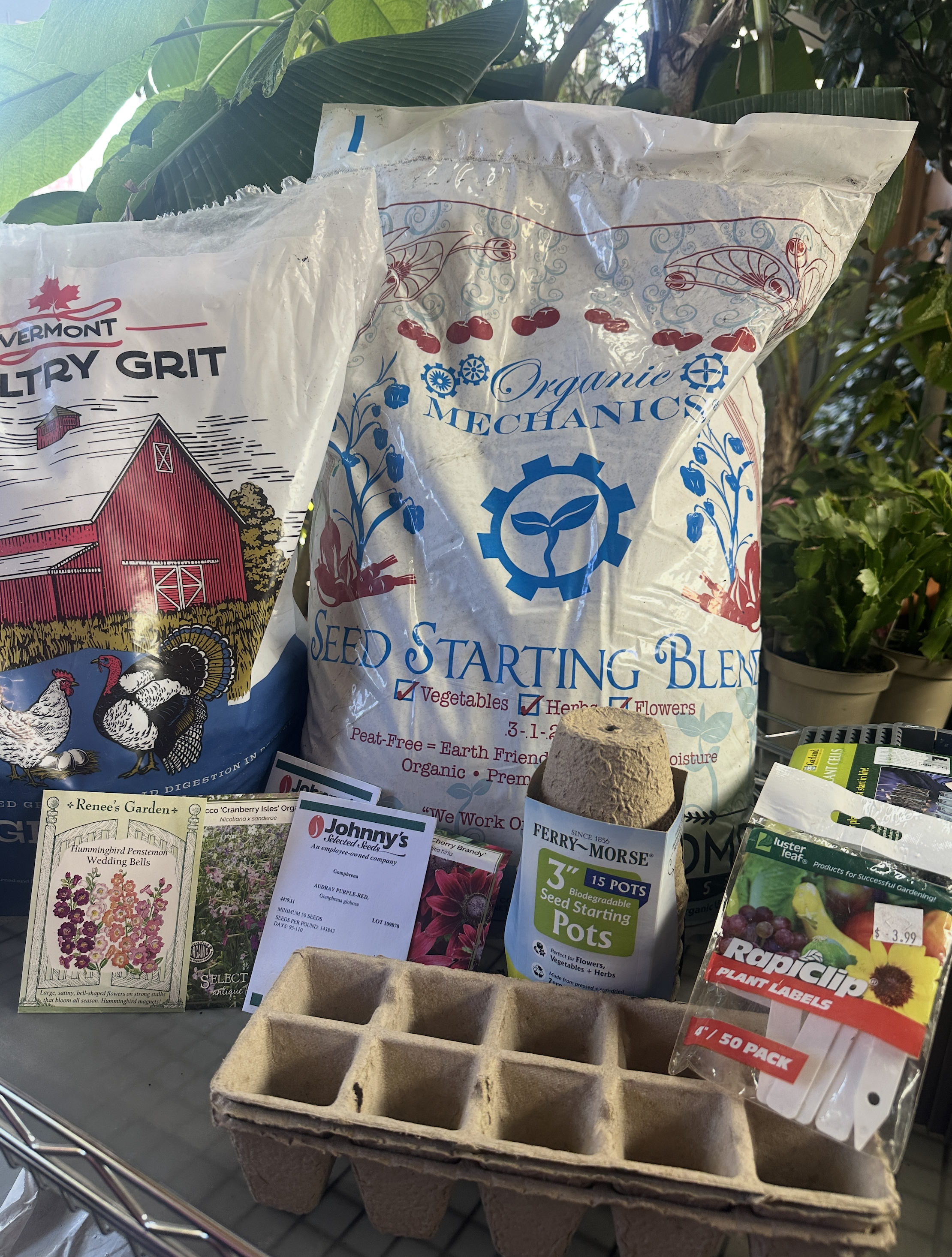
Some flowers need to be planted inside in trays of potting soil because they take a long time to develop. Gather together your supplies. You will need pots (you can recycle yoghurt pots and other vessels as long as you make a hole or two in the bottom), seeds, seed starting potting soil, small-sized grit (We use poultry or chicken grit – to increase drainage) labels, and some overhead lights. Some people also like to use a heating mat under the seedlings. Follow the directions as to the depth of seed planting in the soil. Some seeds are sown on the surface of the soil, while others need a light covering of soil or small-scaled grit.
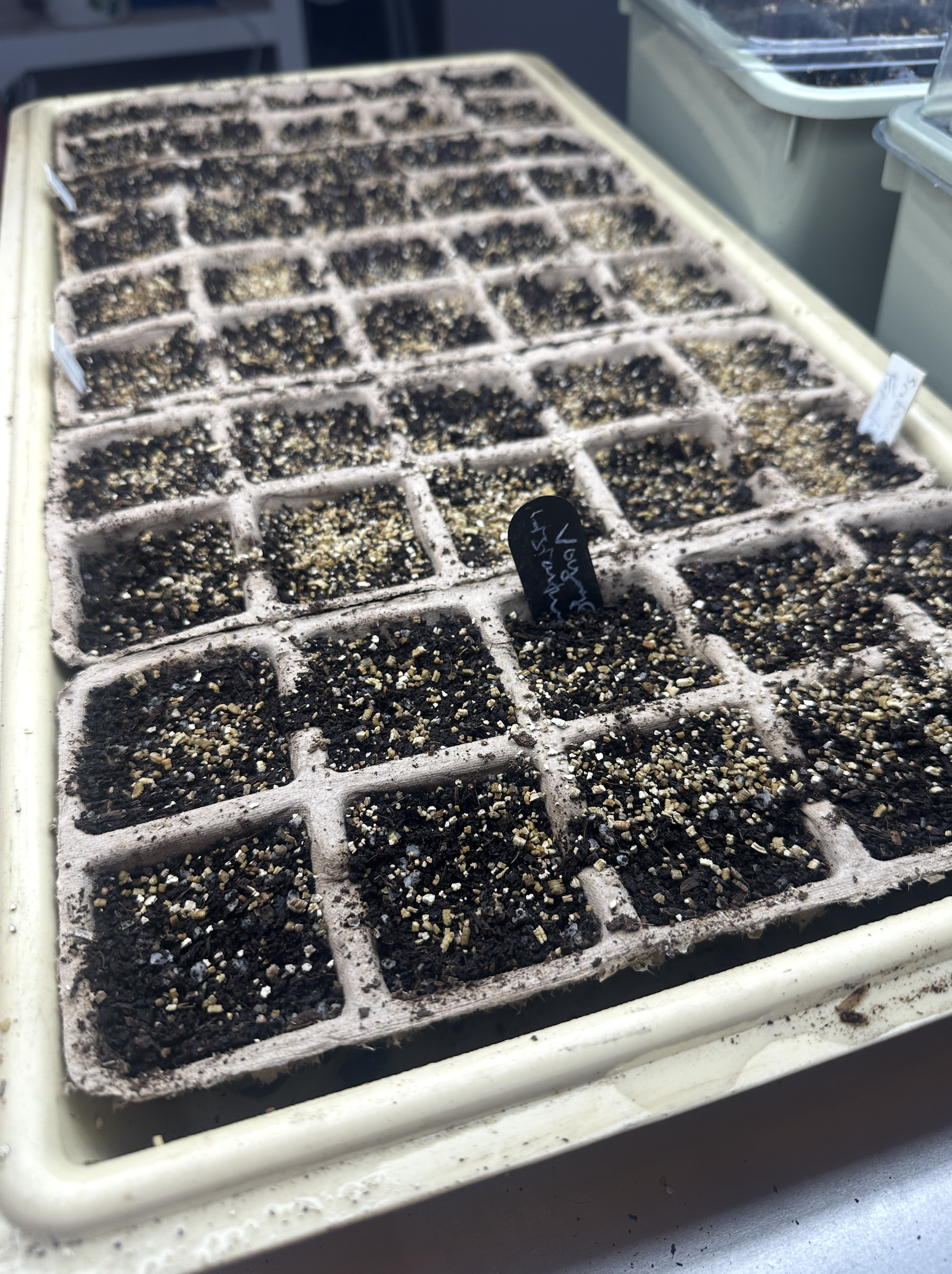
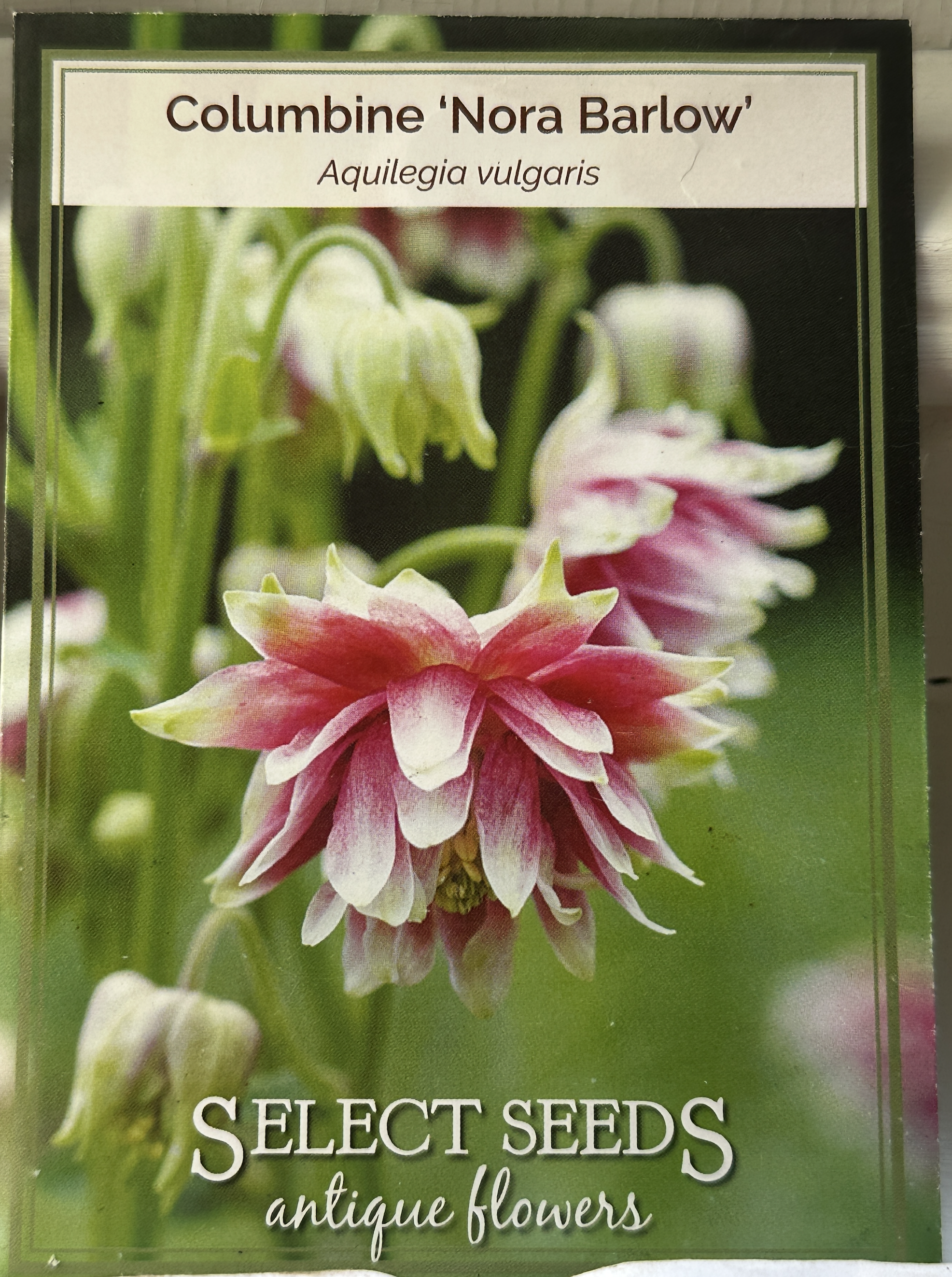
Columbines are easy to grow from seed. They are sown 10-12 weeks before your last frost date. They take a long time to grow so they are some of the earliest ones to be planted. Once the baby seedlings have grown and have true leaves that look like the adult plant they will be planted outside once the weather has warmed up.
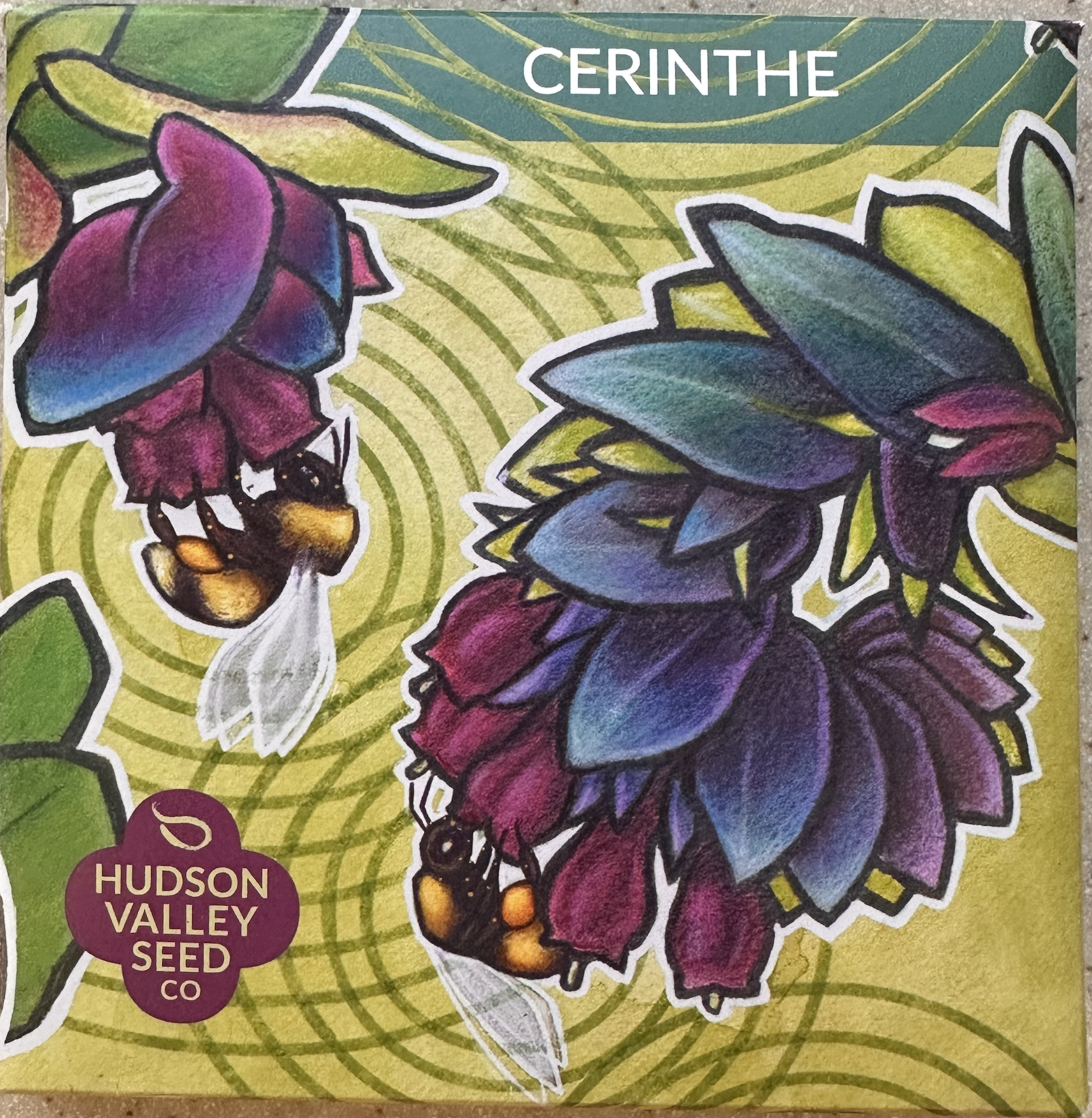
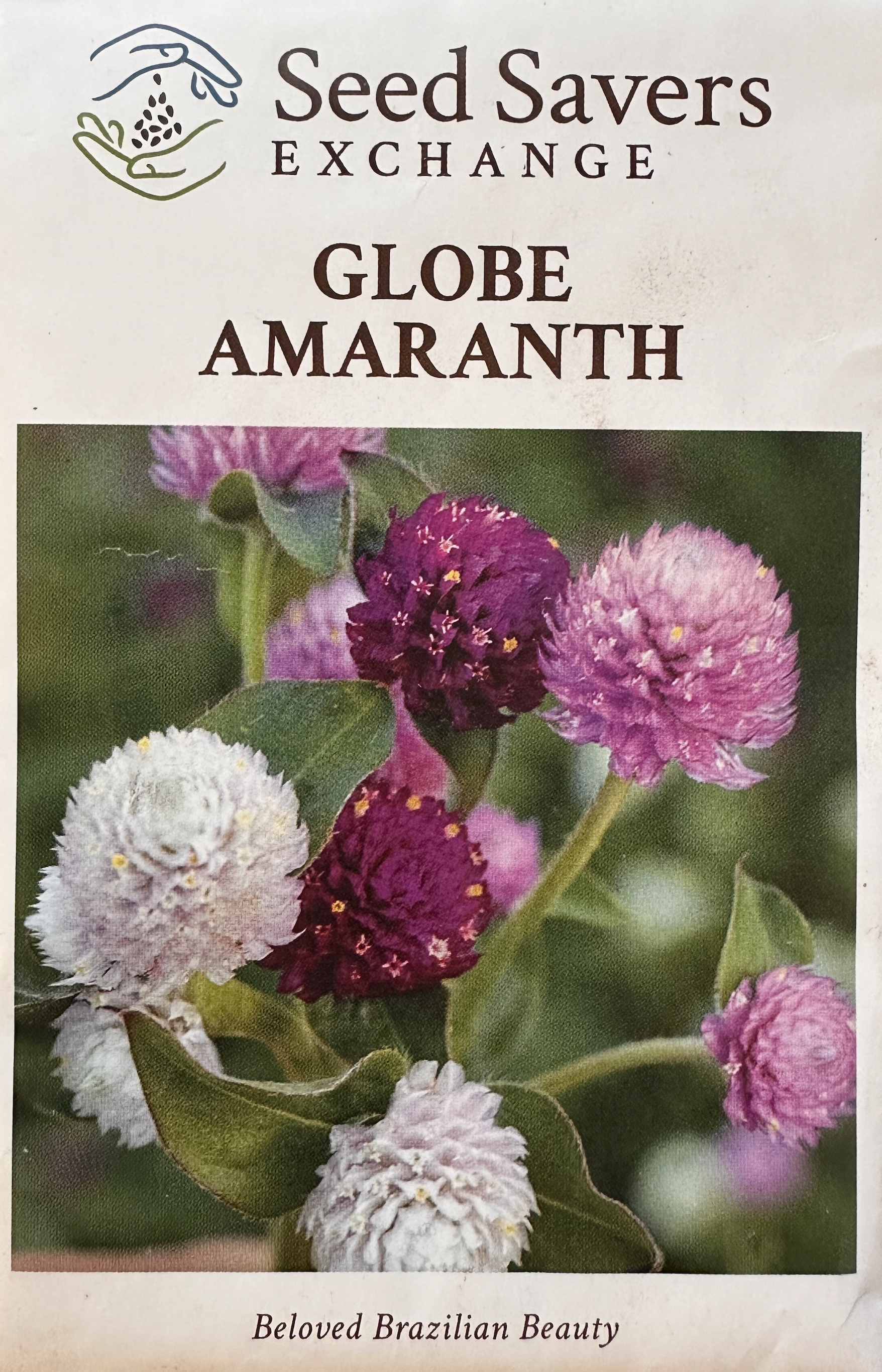
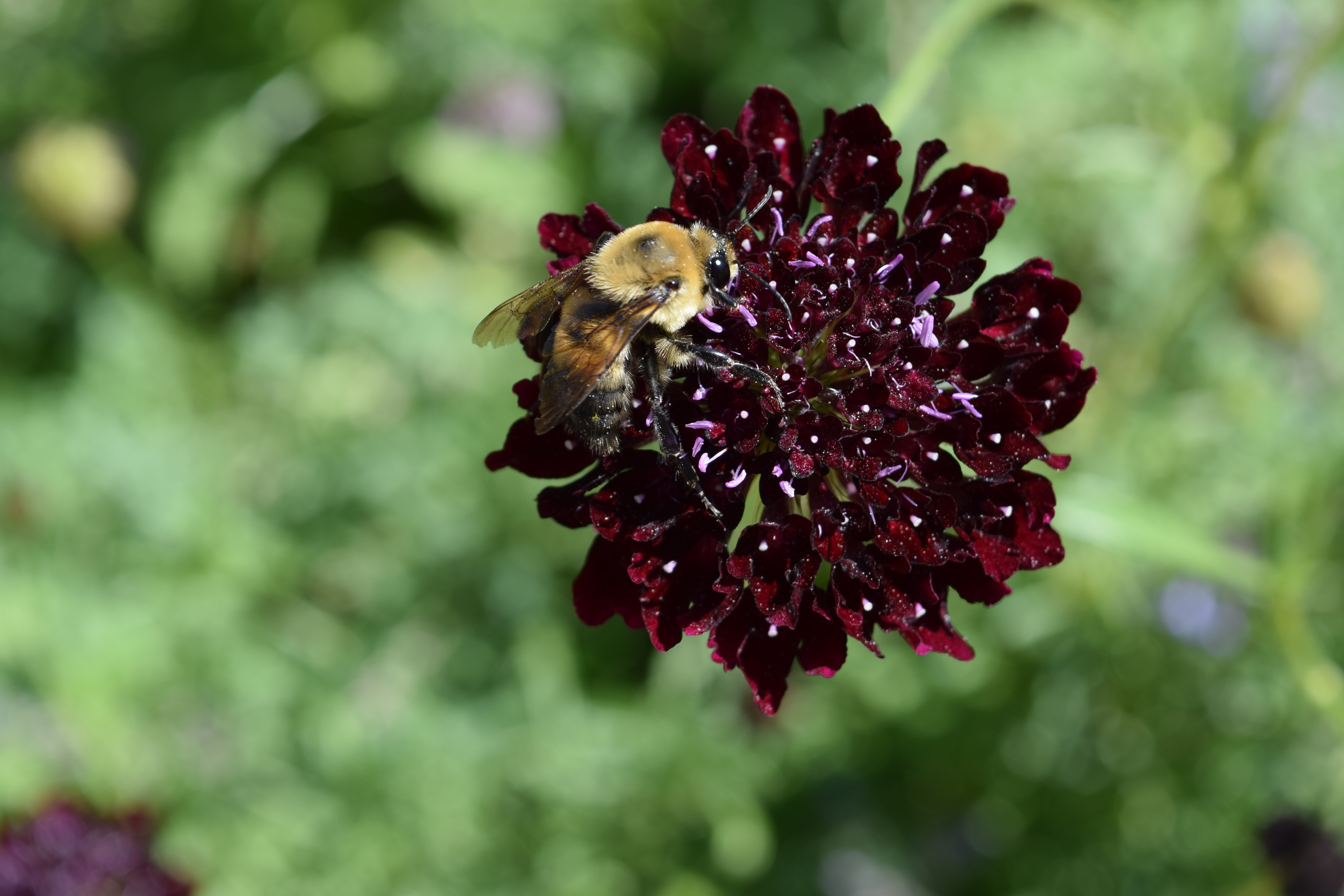
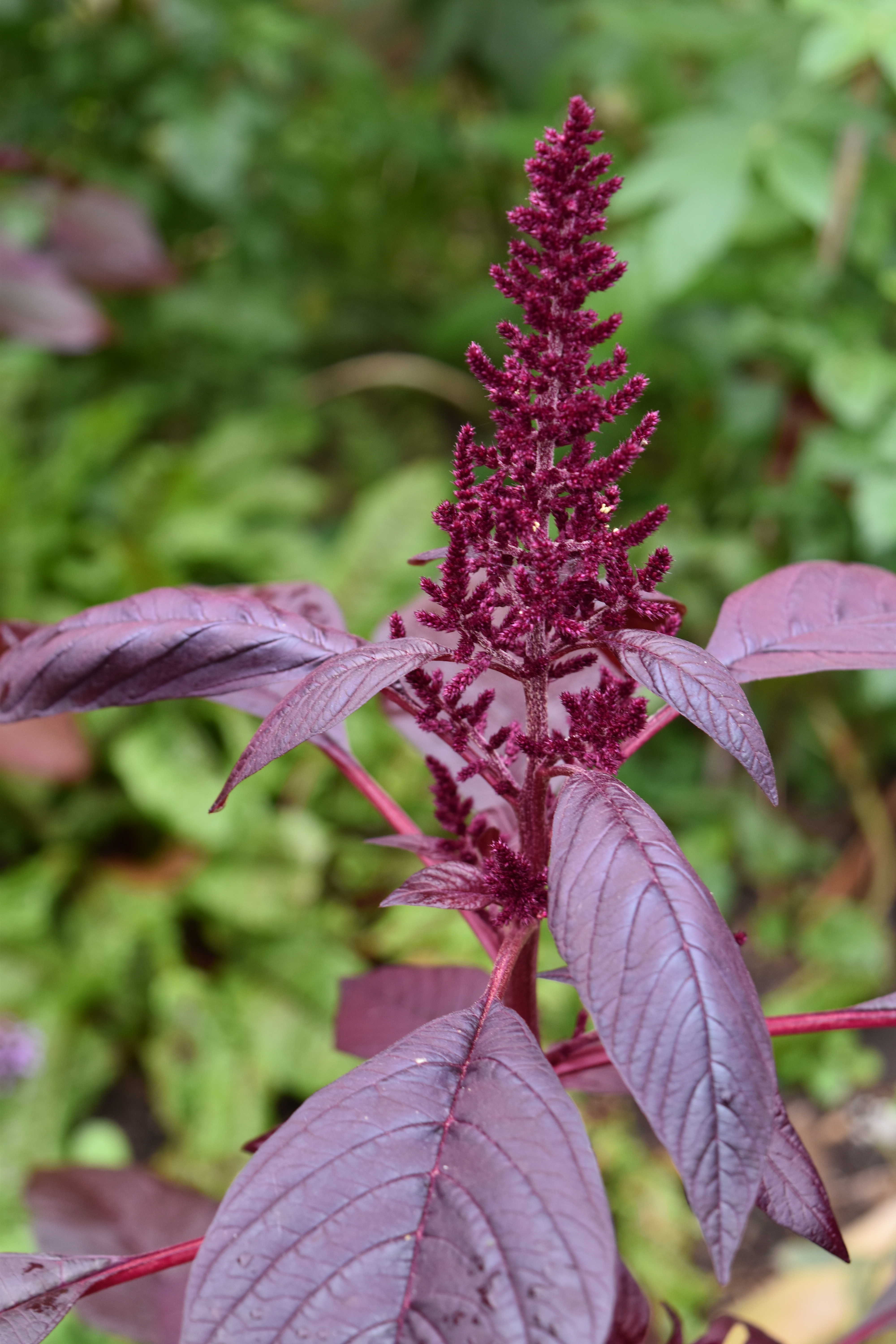
A couple of other ones that we start early (about 6-8 weeks before last frost) are Cerinthe (Honeywort) and Gomphrena. Scabiosa and Amaranthus are sown 4-6 weeks before your last frost date.
10 Key Things to Remember When Sowing Seeds Inside
- Sow seeds at the correct time before the last frost
- Find out whether the seeds should be planted inside or outside
- Plant the seeds at the correct depth
- Water the potting soil by filling the underneath tray with water then when the soil is moist – remove the water out of the tray underneath
- Keep soil moist but not wet
- Keep the seeds and potting mix warm while germinating (with a few exceptions)
- As soon as the seeds germinate provide light – use LED lights close down to seedlings
- Raise up the lights as the seedlings grow
- Take the seedlings off the heat mats and keep lights on about 12-14 hours a day
- Gradually acclimatize the seedlings to the varied weather outside – then plant in soil
Bye for now Gardening Friends – Enjoy your seed sowing – Jenny Rose Carey
Discover more from Before You Garden...
Subscribe to get the latest posts sent to your email.
 Before You Garden...
Leave a comment