
Learn Six Tips from Jenny Rose Carey about gardening for Winter Interest – With Inspiration from the Winter Garden at Wakehurst.
Wakehurst – Kew’s Country Garden in Sussex, England
There are winter and early spring days when you cannot let go of your gardening habit, and you really need to refresh yourself with time spent outdoors – whatever the weather. If you need an outdoor walk any public park or garden will fit the bill. However, if your aim is to learn more about plants that have interesting features for the cold months, then you will need to seek out a Winter Garden.

Winter Gardens
Winter gardens, in temperate areas of the world, are designed to look good in the Northern Hemisphere from November to March. This is the time of year when most gardeners have hung up their shovels and retreated to the fireside. If, like me, that doesn’t suit you, then you need to study gardens that have an outdoor show in the so-called gardening off-months. These may be labelled as Winter Gardens. (Not to be mixed up with indoor public conservatories or greenhouses that can also be labelled as Winter Gardens).
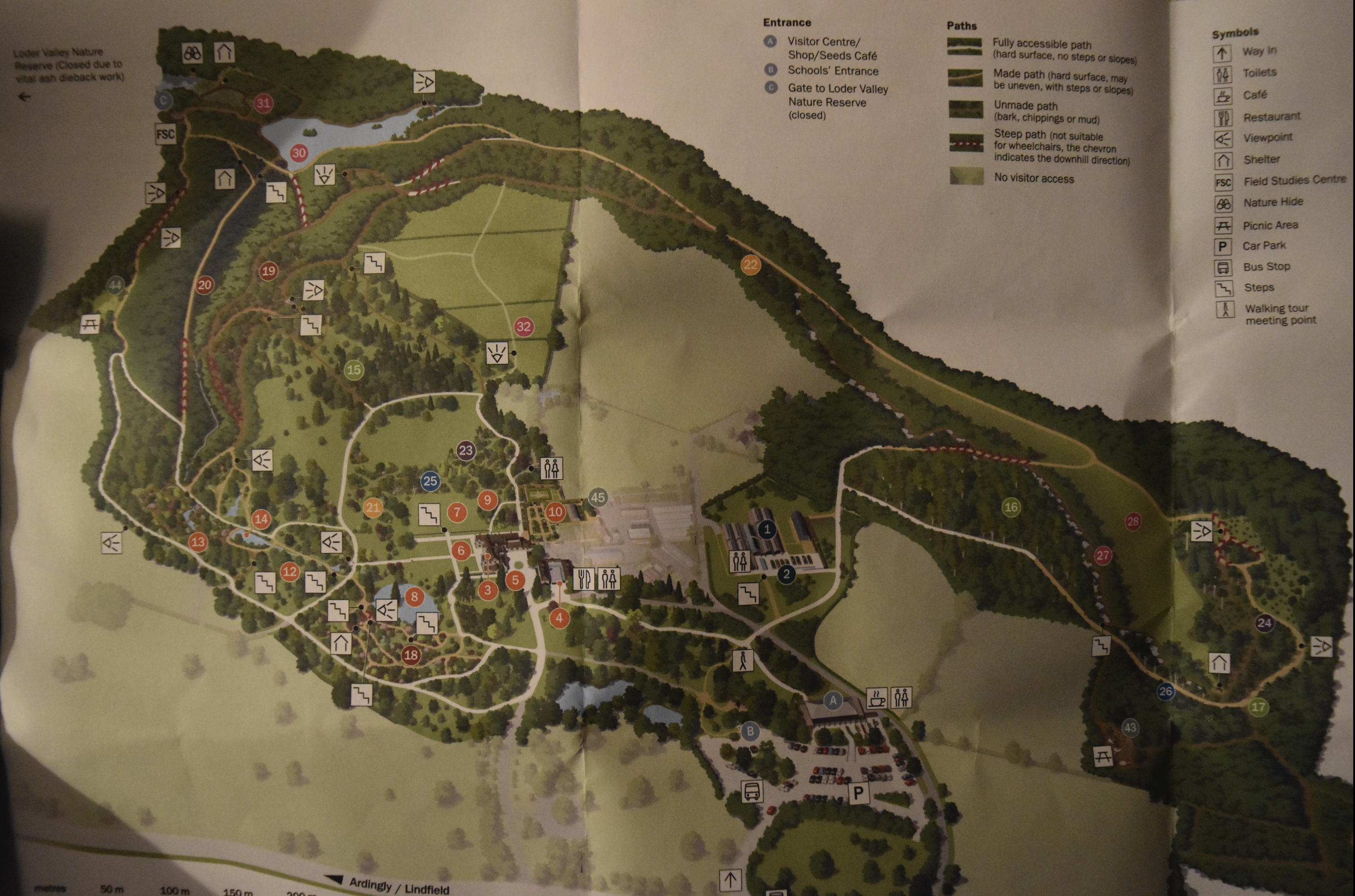
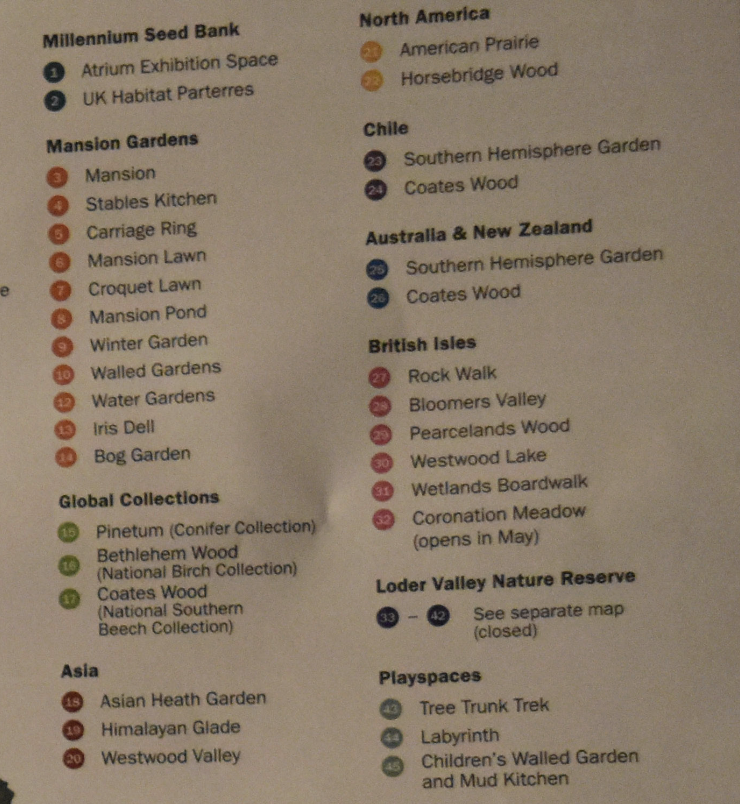
Outdoor winter gardens make the most of subtle treats when the garden is not ablaze with color. Each little piece of interesting bark, each tiny bud or blossom become really meaningful and fill your heart with delight. Just when you thought that there was nothing to see or smell you find a lovely treat for the senses.
Wakehurst in Winter

At first glance a winter garden may not be sizzling with excitement but take a more considered mindset and you will enjoy a garden at this time of year. It is such a different experience from visiting the same garden in spring, summer, or autumn but nonetheless enjoyable is you know what to look for. Here are my hints to get the most of looking at out-of-season gardens.
Six of the Best Features of Winter Gardens
1. Overall Design of the Garden
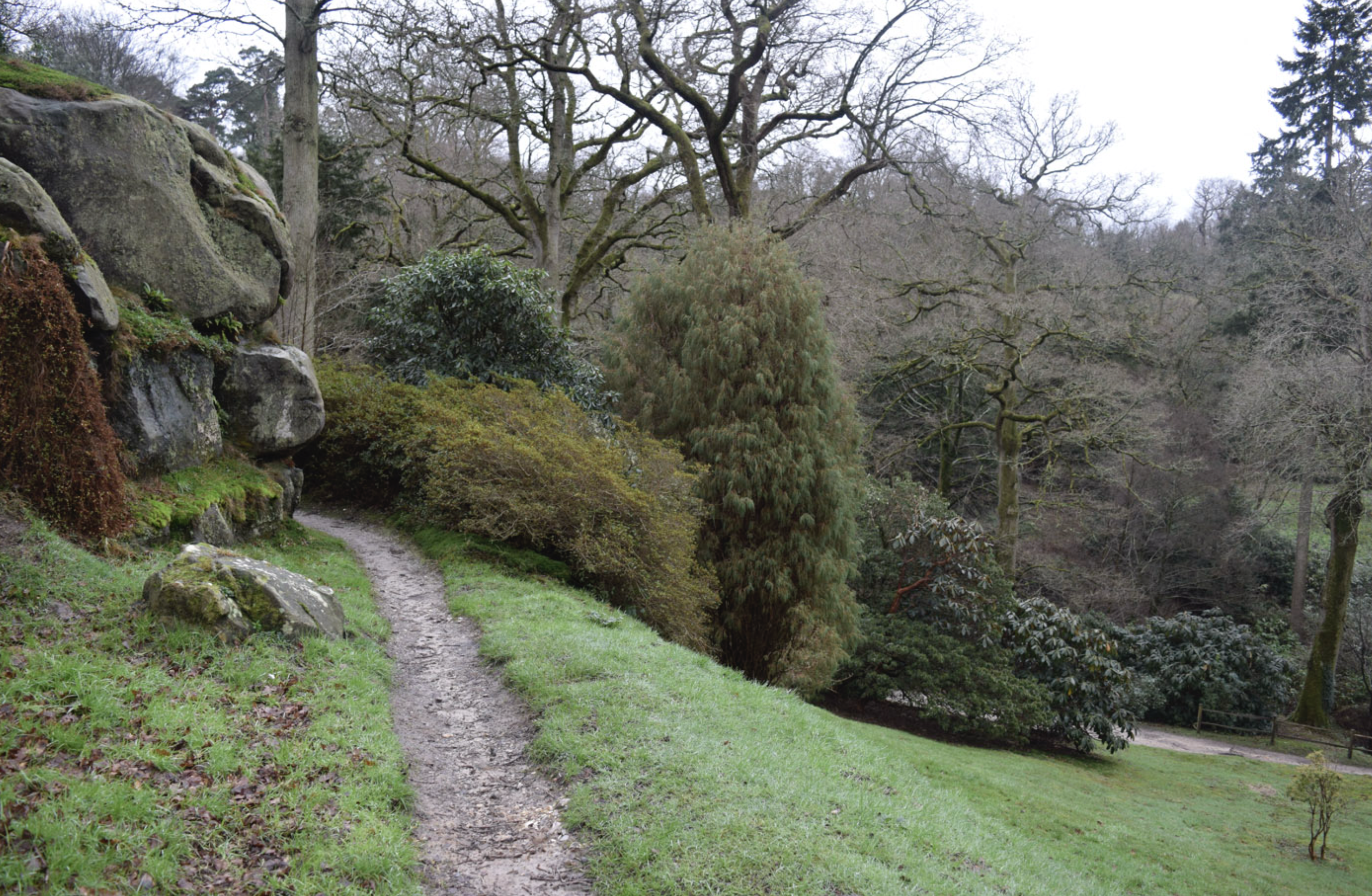
Winter is the time to study the shape of the garden beds and the overall layout of a garden. Look at where the paths lead to and how the garden entices you to explore further. Without the deciduous leaves on the trees you can see further into the garden.
Gardens are broadly separated into formal, geometric layouts and informal meandering ones. Wakehurst is mostly informal and it is easy to see this at this time of year. Think about what you like and are their ideas that you can take home to your garden? My thoughts – as usual – were I need more rocks and stones to give hide and reveal vantage points in my garden.
2. Appreciate Evergreens in Winter
For much of the year the evergreen plants in your garden play a supporting role. Maybe they block a neighbors house or serve as a backdrop to your flower bed. In winter the subtle variations in evergreen color and texture are obvious and appreciated. Evergreens come in all shapes and sizes and there is something for every garden.
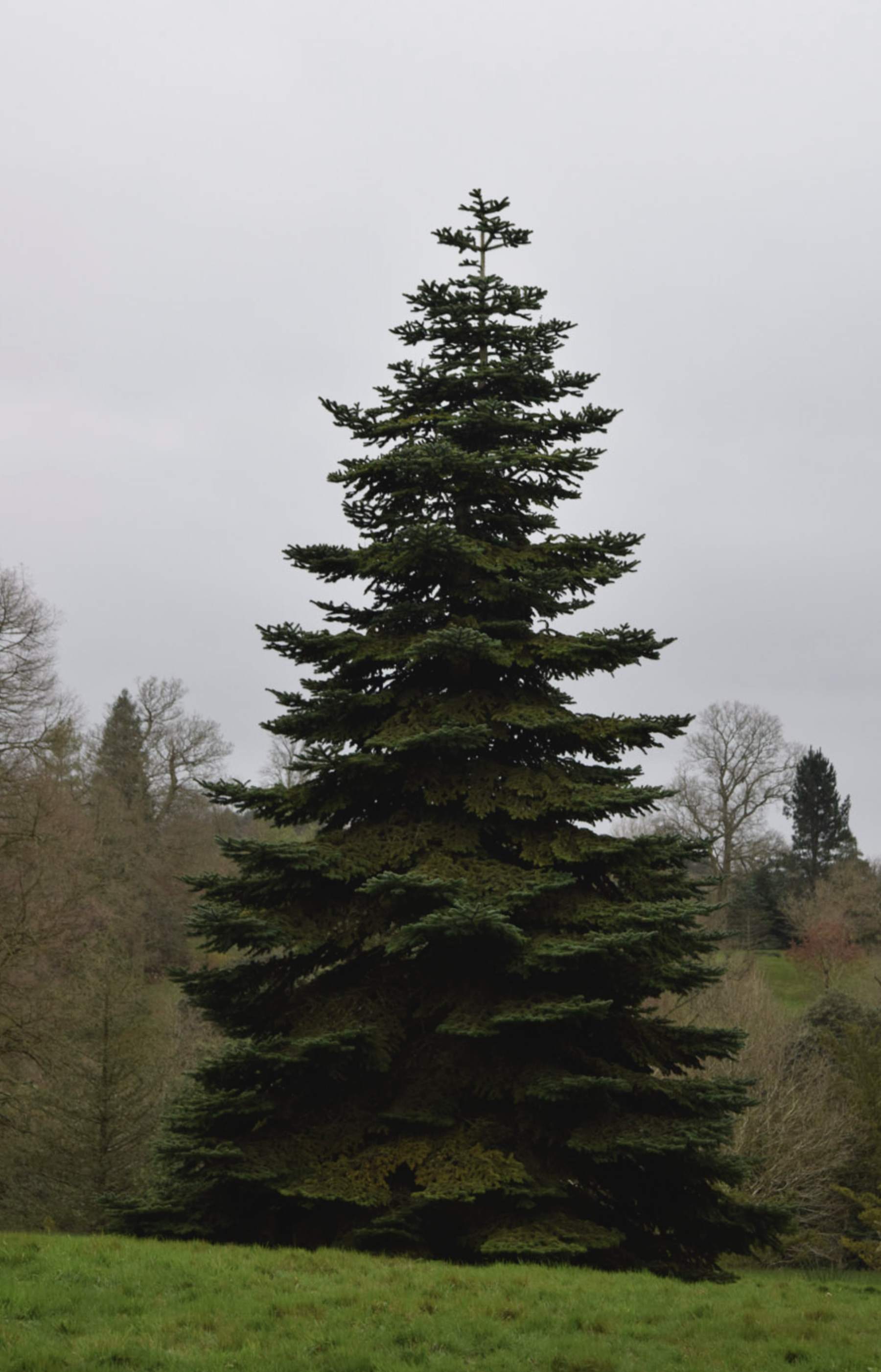
At Wakehurst they have the National Collection of an evergreen genus called Skimmias (see below under Berries). They also have some fabulous evergreen trees like a Cunninghamia, Pines, and Camellias. The leaf shape, size, and texture of evergreens influences how they look in the garden. Evergreens may have glossy leaves that reflect the winter light or needle-like leaves that give a fluffy texture. Leaf colors might be deep-dark green, yellow-green, or blue-silver-green. Some evergreens even change their leaf color in cold weather for added interest.

3. Shape, Form, Outline, and Structure
Evergreens provide the most obvious greenery in the wintery landscape but there are deciduous plants that add to garden at this time of year. Think of trees and shrubs that have skeleton-like limbs or a great outline against the winter sky. Each of these plants adds something special to our enjoyment.
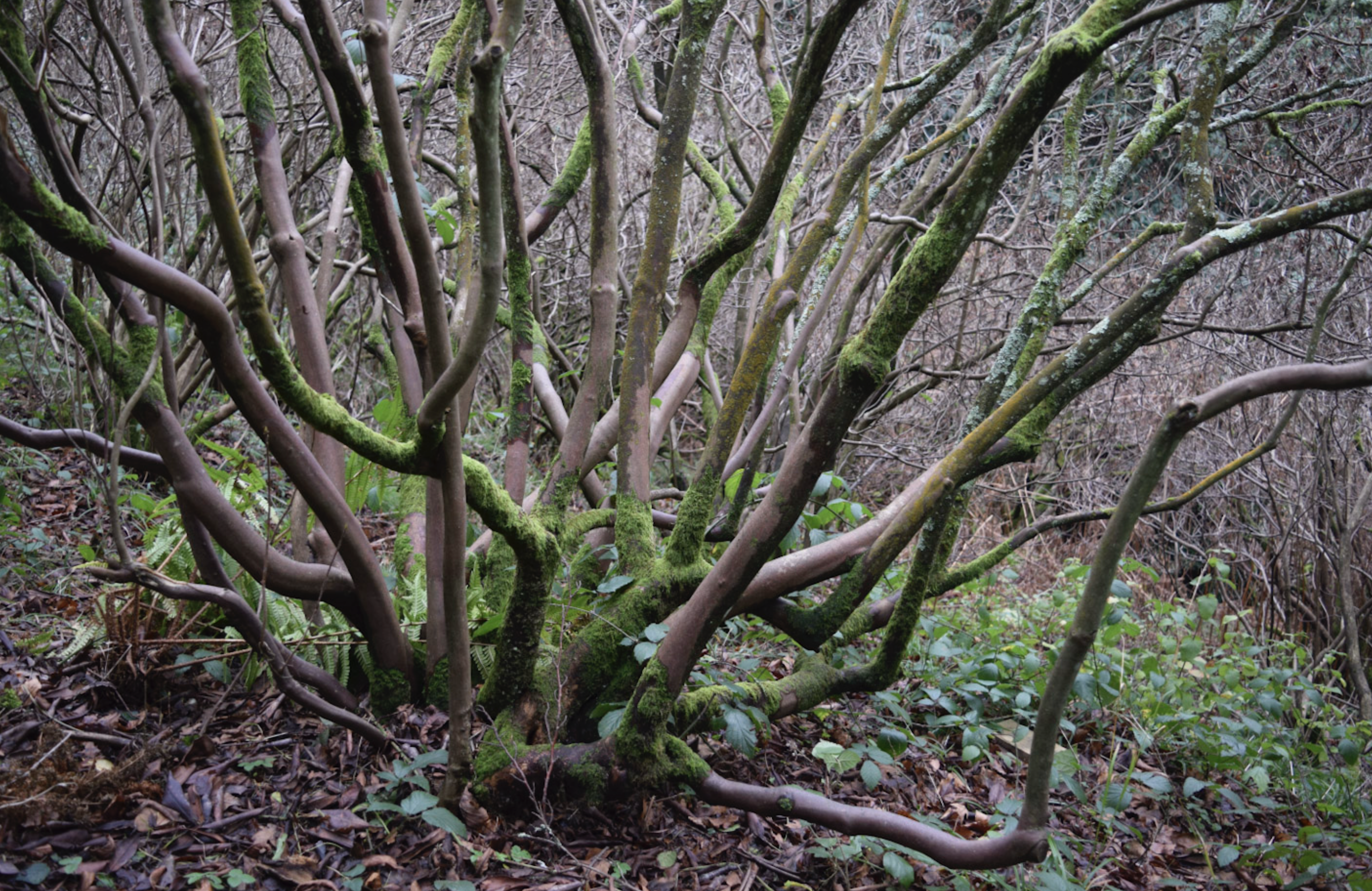
https://www.rhs.org.uk/plants/99673/rhododendron-(nobleanum-group)-nobleanum-venustum/details
4. Look for Winter Berries
While we think of autumn as the season for berries there are quite a few plants that hang onto their berries through winter. If they are tasty to the birds or the winter weather is cold the berries can disappear early. If the berries need a period of frost to become edible to wildlife they can be a decorative feature for months.

At Wakehust one of the most celebrated winter berry sets is given by the National collection of Skimmias. These are a glossy evergreen woody plant. There are separate male and female plants and both types are needed to produce the berries. They are produced on the female plants only.
https://www.rhs.org.uk/plants/105807/skimmia-japonica-(f)/details

5. Fragrant Flowers
Winter gardens are not known for their flowers but the blooms that are present are often fragrant. The winter honeysuckle shown below is incredibly sweet.
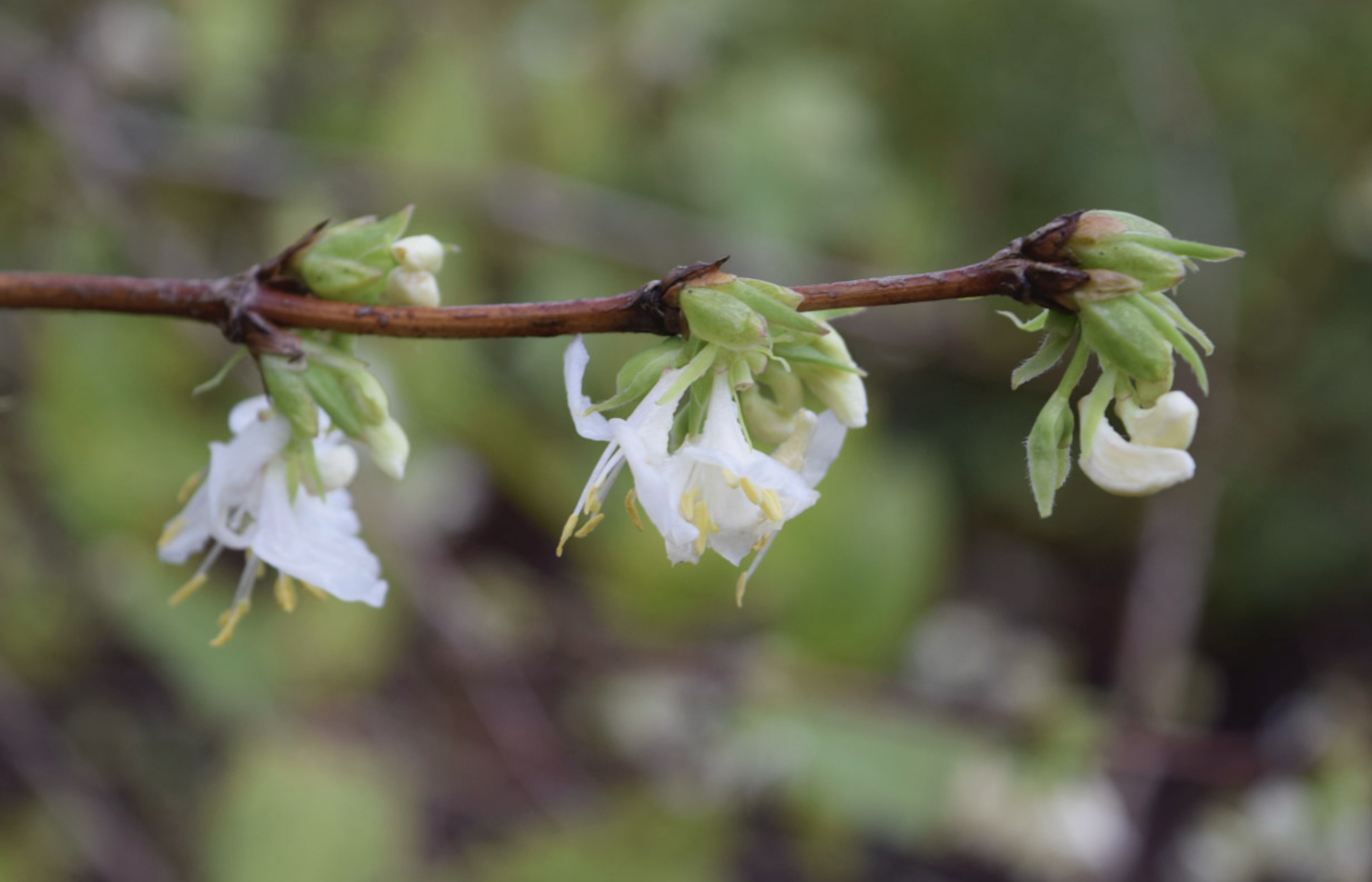
Photos Shown Below
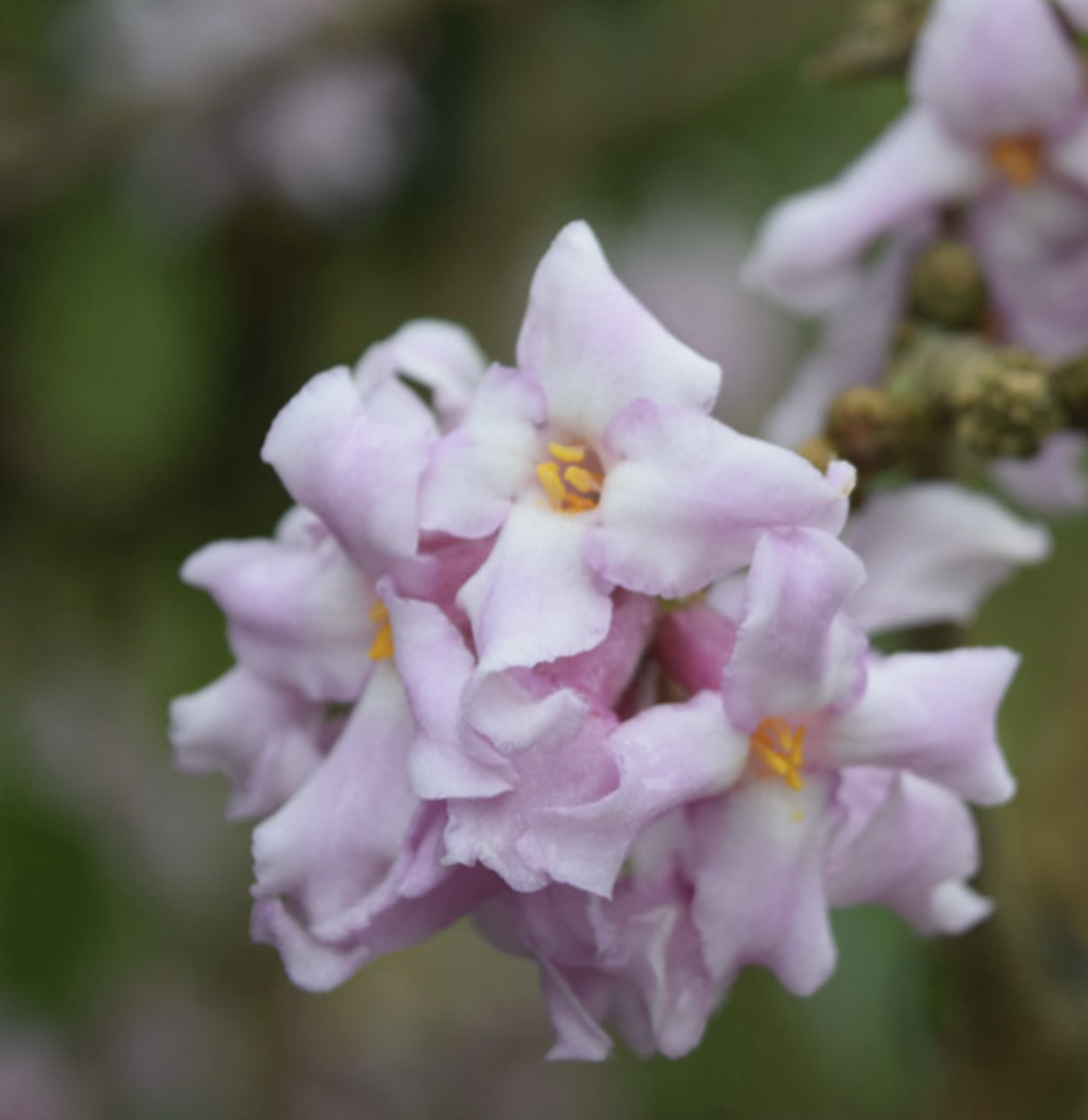
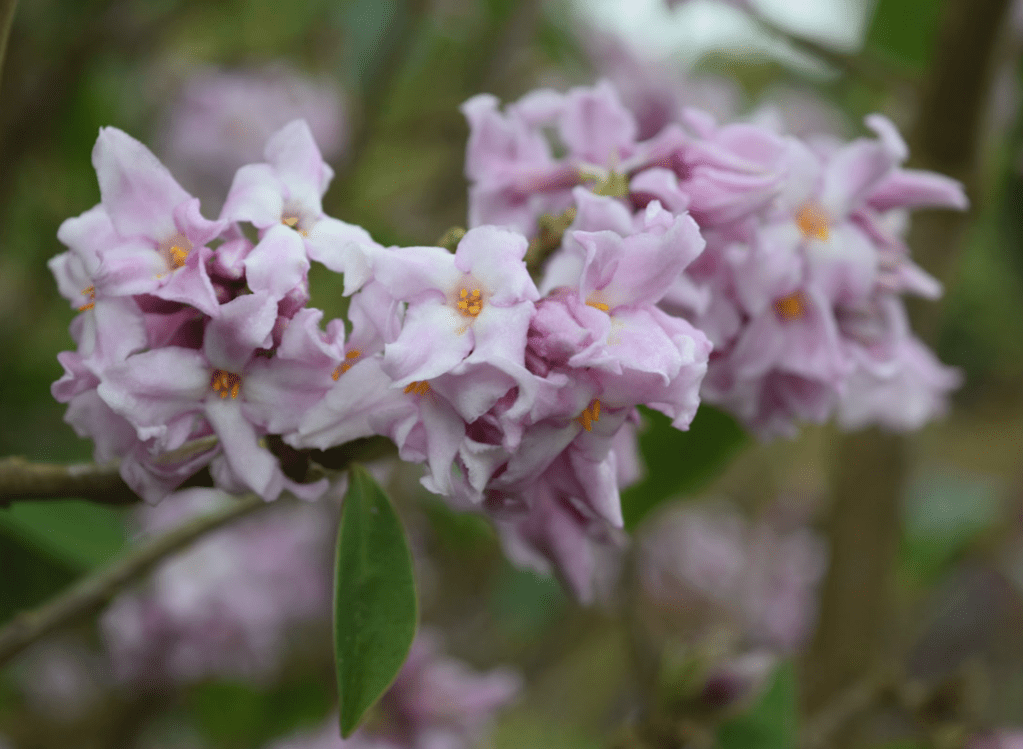
Another scented wonder for winter is Daphne bhoula var. glacialis ‘Gurkha’ that comes from the Himalyas. It has light pinky-purple flowers that cluster on leggy leafless branches. Another readily available favorite with a strong scent is Daphne bhoula ‘Jacqueline Postill’.
https://www.rhs.org.uk/plants/93813/daphne-bholua-var-glacialis-gurkha/details
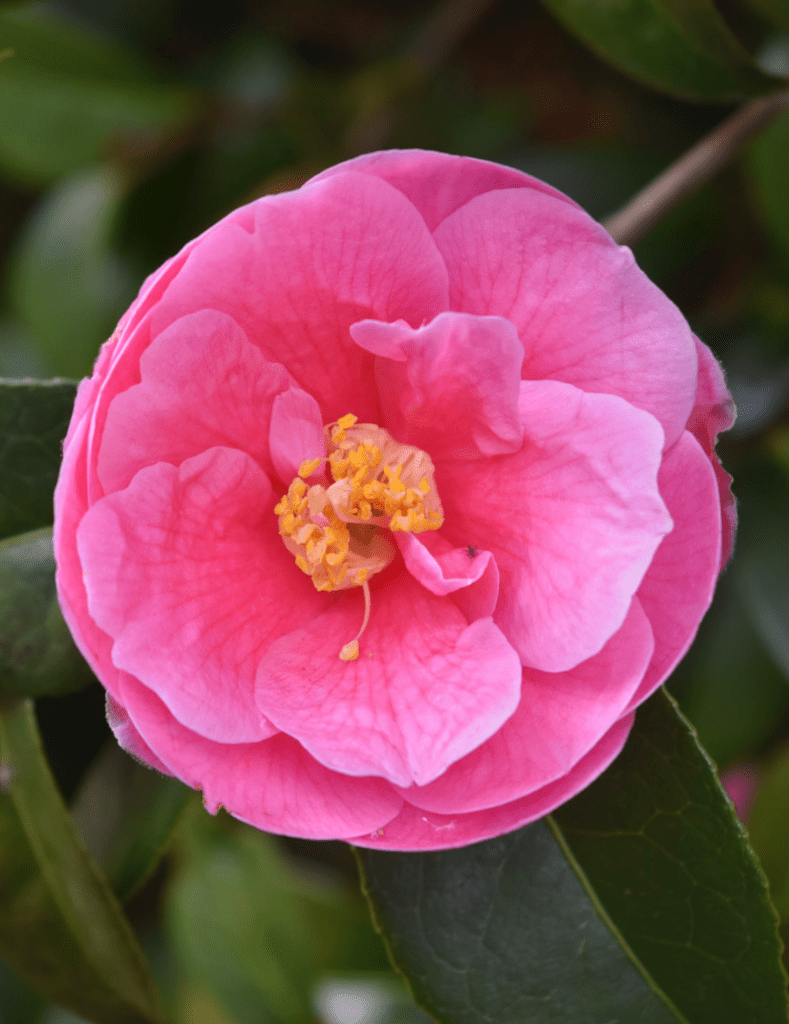
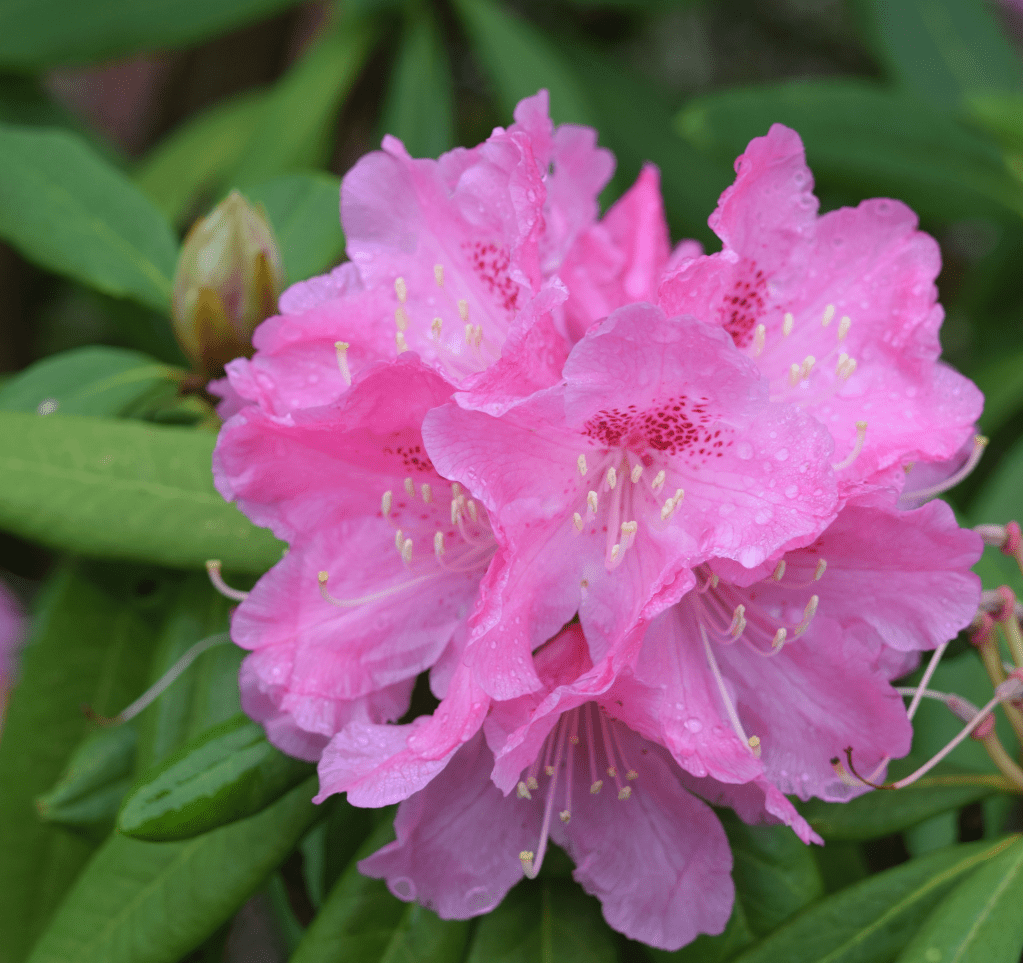

There are a few winter- into early spring blooming rhododendrons and azaleas most of which which are not scented.
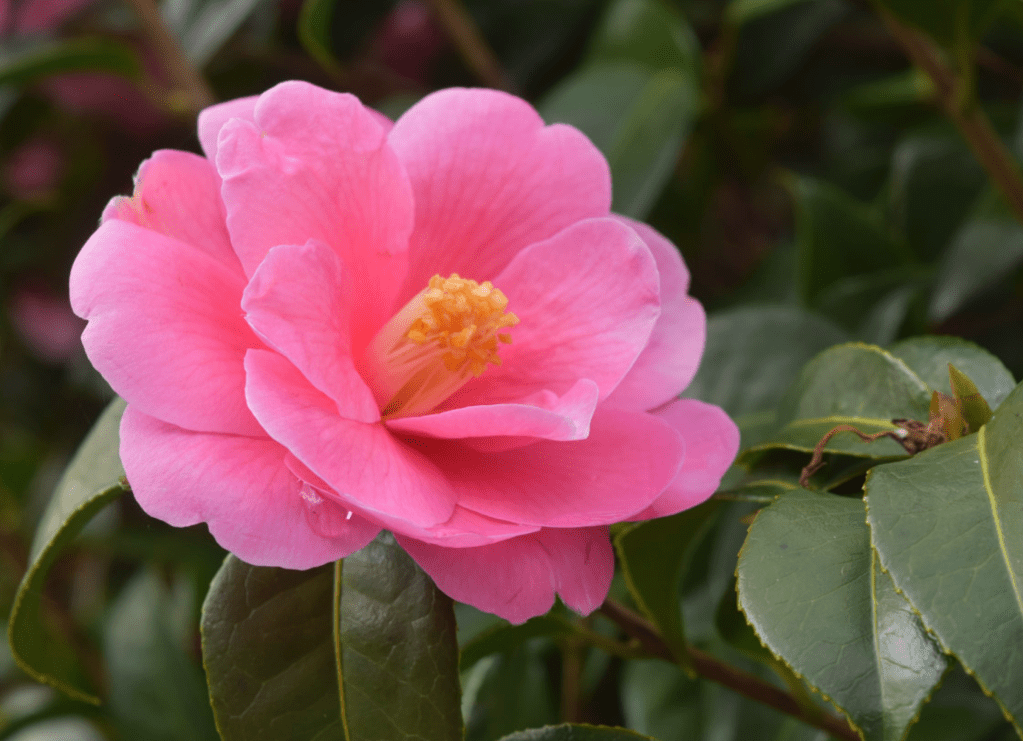
Some camellias have fragrance but not all of them. The pink one shown below was Camellia “inspiration’ and I could not smell a fragrance but the sun was not out that day.
https://www.rhs.org.uk/plants/50008/camellia-inspiration-(reticulata-saluenensis)/details

6. Beautiful Bark – Visual and Textural
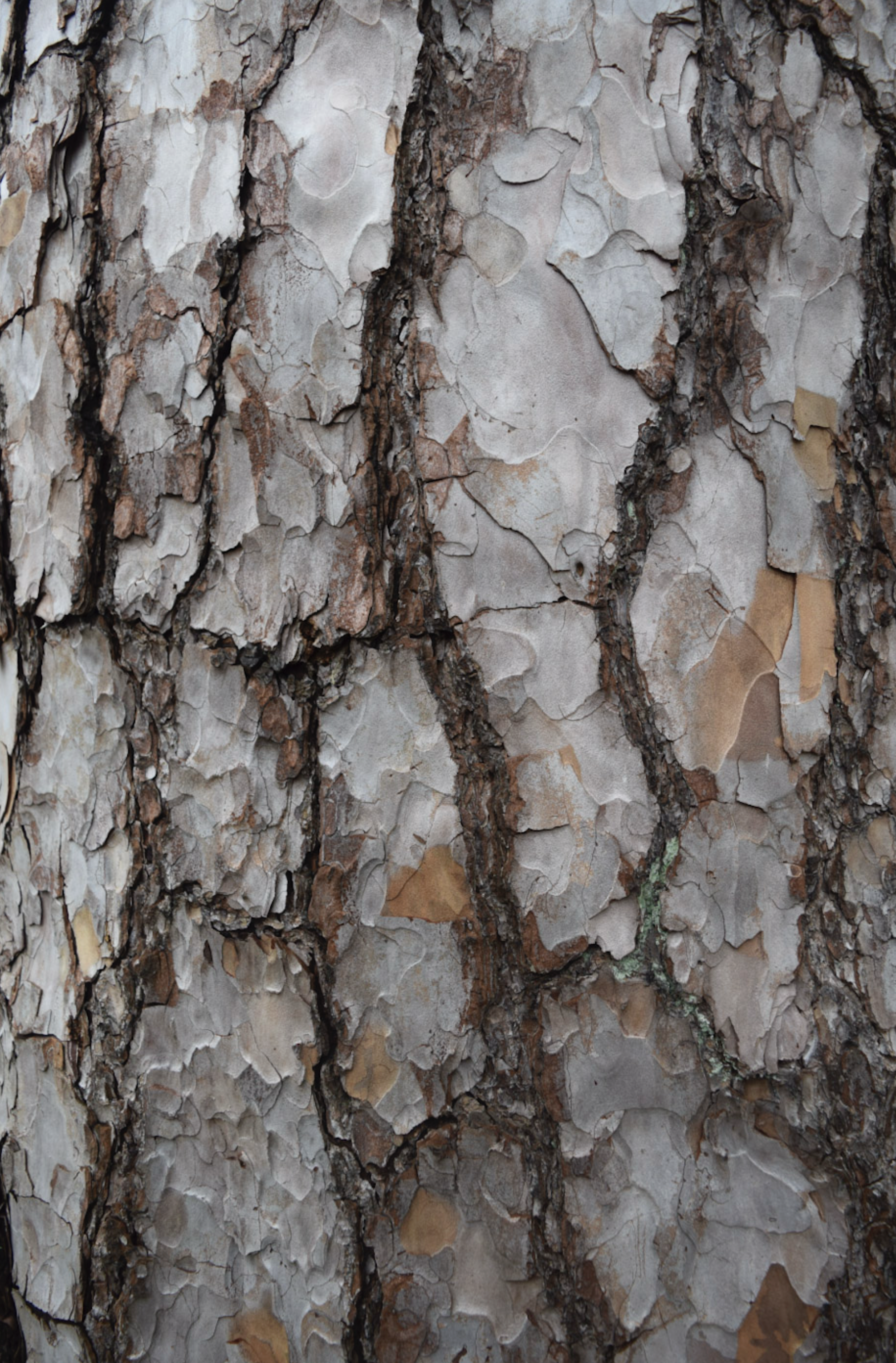
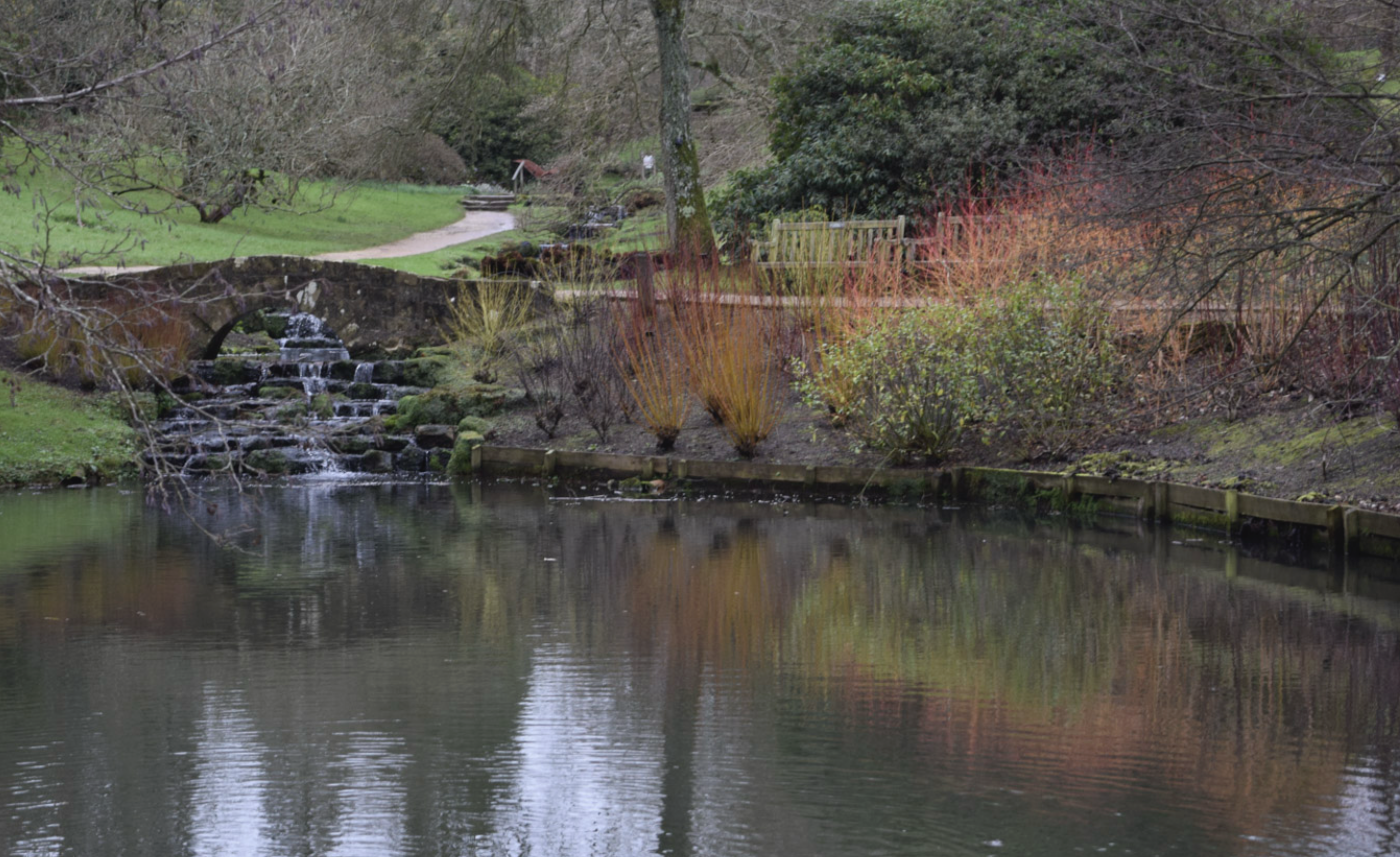
An under appreciated winter delight is that of bark. In summer you would probably pass this by unoticed, but in the winter the color, texture, or feel of bark is a lovely addition. In the photos below the chunky bark is of the Scots’ Pine – Pinus sylvestris. The colorful twigs that look especially good reflected in water are from the twiggy dogwoods – Cornus sericea ‘Budd’s Yellow’, Cornus sericea ‘Flaviramea’, and Cornus sanguinea ‘Midwinter Fire’.

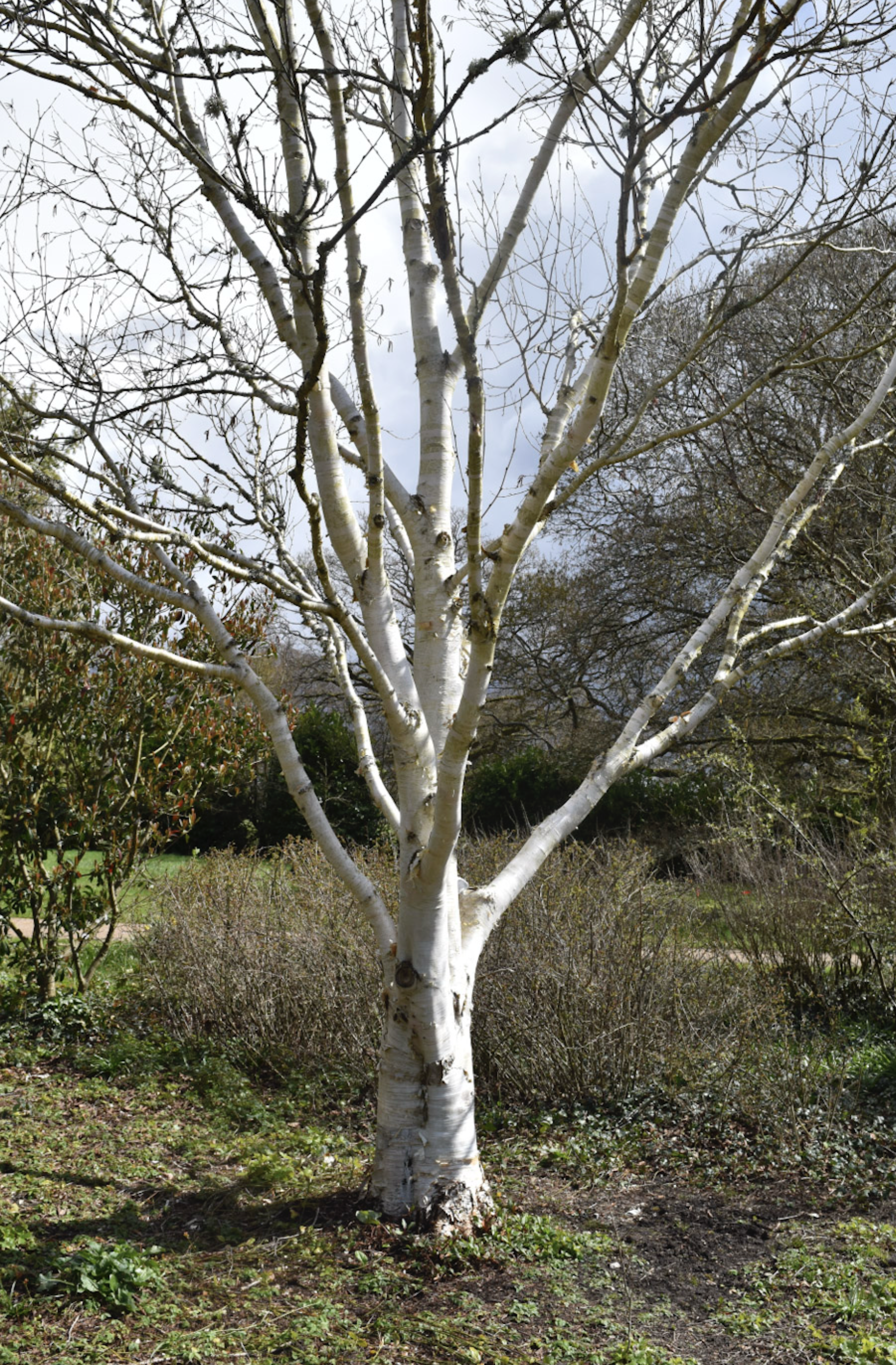
One of the all time favorites for a winter garden is a white or silver barked birch tree. We had one tree in our cottage garden in Kent when I was growing up, and it was a silver birch – so I am very fond of them. Unfortunately I can’t grow it now because they do not grow well in our Pennsylvania climate. Two particularly favored white-barked trees are the Himalayan birch – Betula utilis var jacquemontii and Betula albo-sinensis.

I have been to Wakehurst at various times of year – a visit at anytime of the year is a treat. If you cannot not get to Wakehurst, find a garden where you can see evergreens, lovely bark, berries, or fragrant winter flowers.
Happy New Year and bye for now Gardening Friends. Jenny Rose Carey
Discover more from Before You Garden...
Subscribe to get the latest posts sent to your email.
 Before You Garden...
Leave a comment