
Colonial Williamsburg
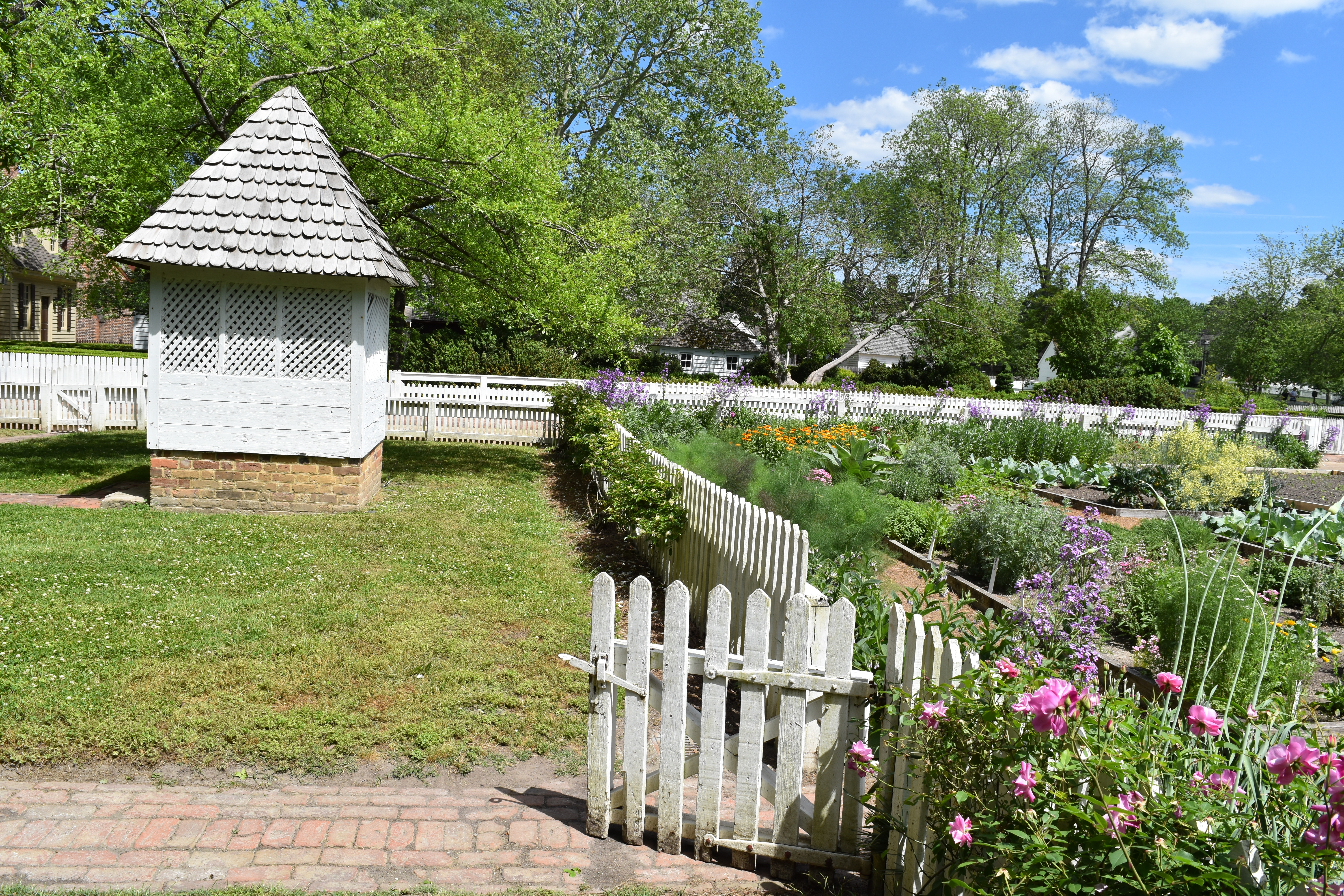
The first time I visited Colonial Williamsburg in the early 1980’s I was smitten. To a British person it gave me a chance to learn about colonial American history and to see what old gardens looked like. I have visited again many times over the years but I always enjoy it and learn something new.
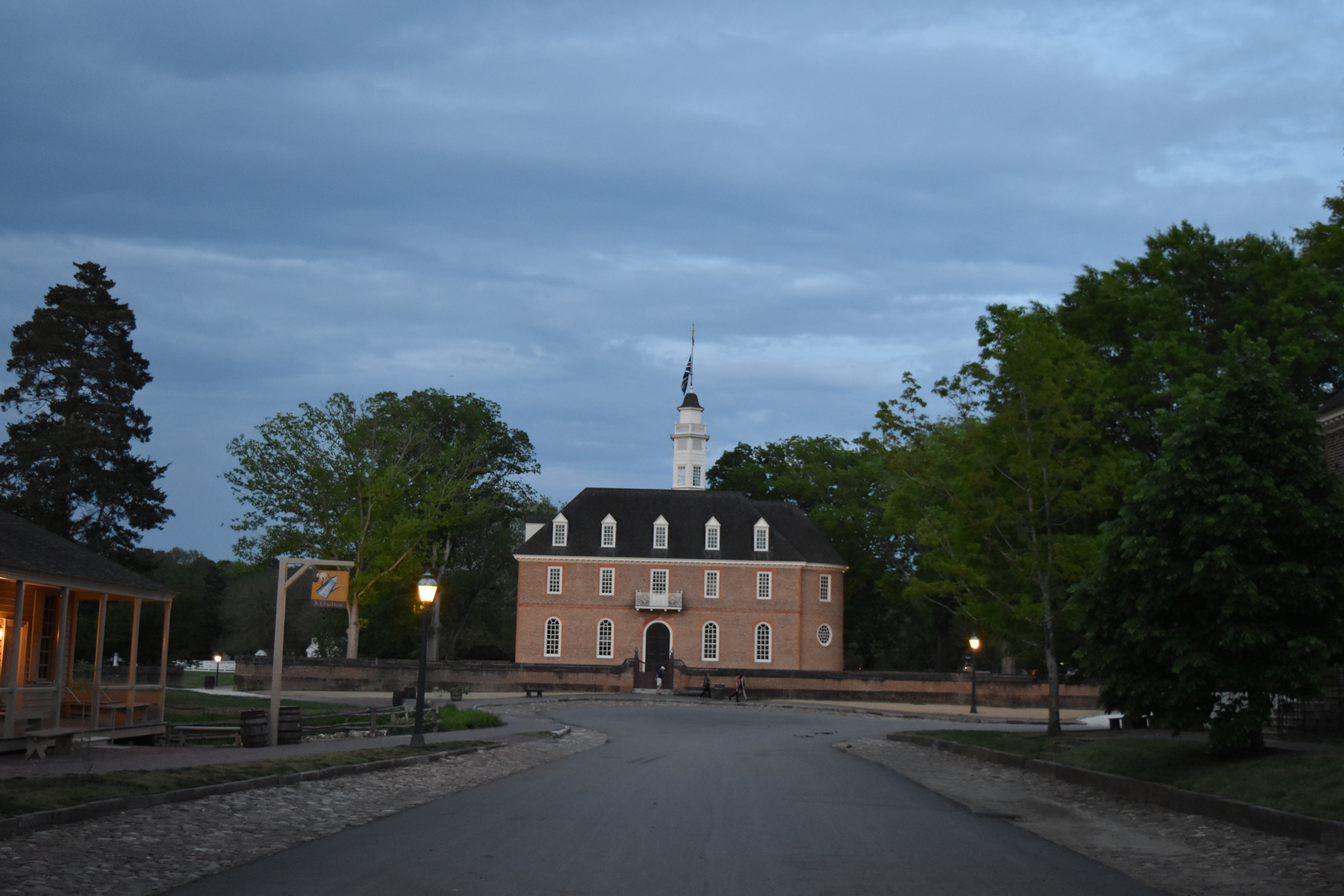
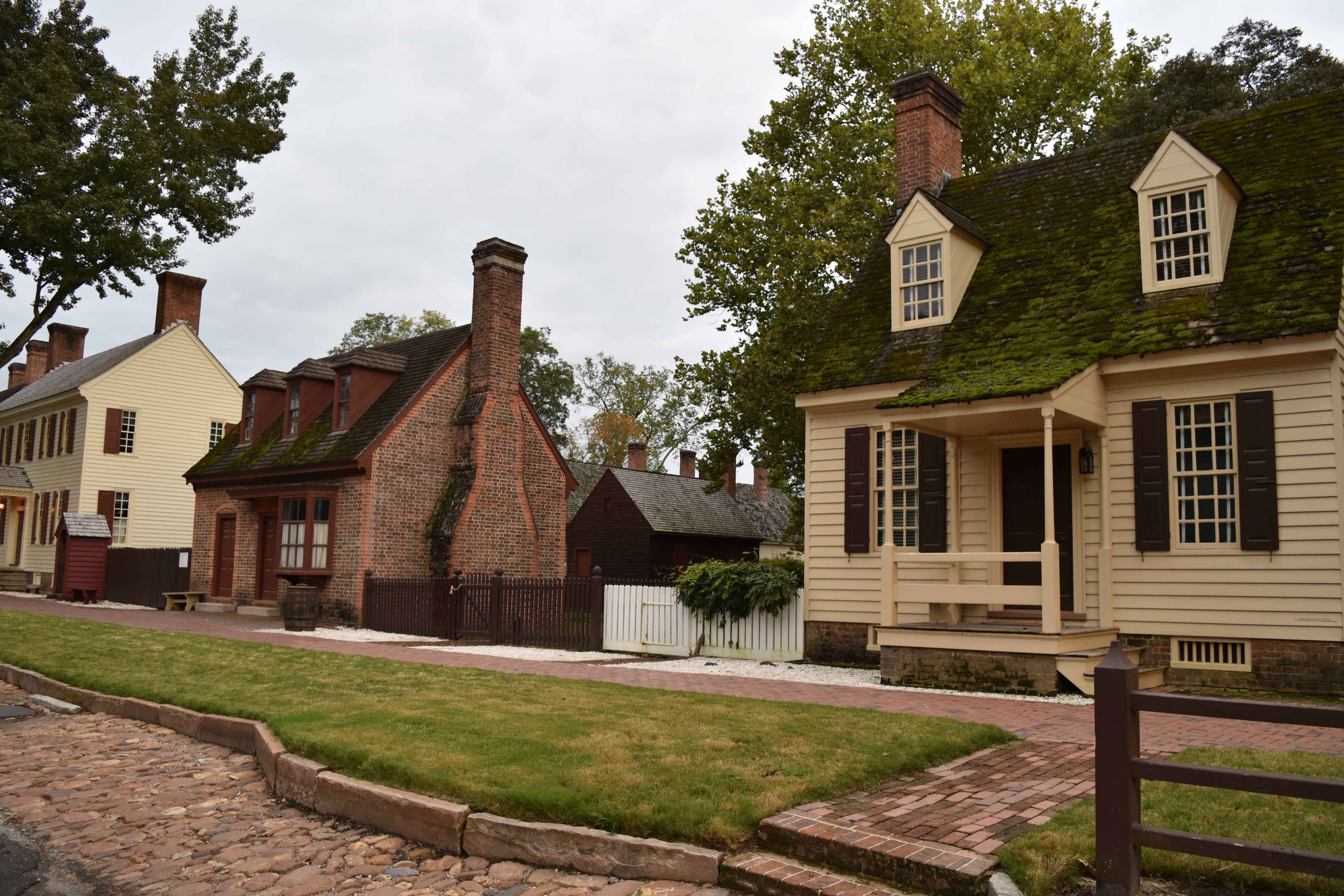
The site is an ambitious recreation of the buildings, grounds, and way of life of the original town of Williamsburg when it was the Capital of Virginia in the early 1700’s. The rector of the Bruton parish church – W. A. R. Goodwin – contacted John D. Rockefeller to see if he would finance the restoration. In the 1920’s Rockefeller decided to fund the project and Colonial Williamsburg began. Today we call this re-creation of colonial architecture and gardens ‘Colonial Revival’.
Williamsburg’s Governor’s Palace
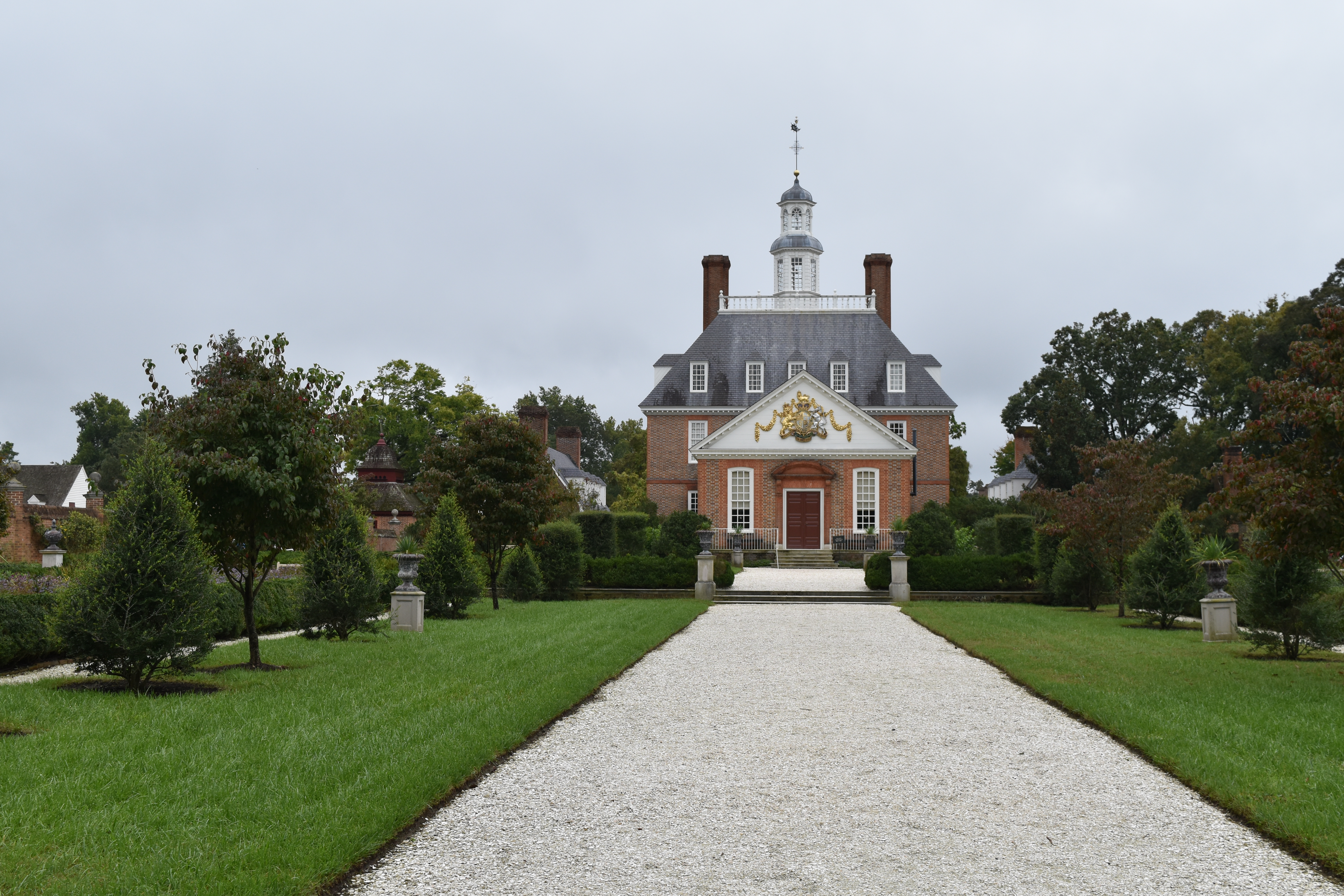
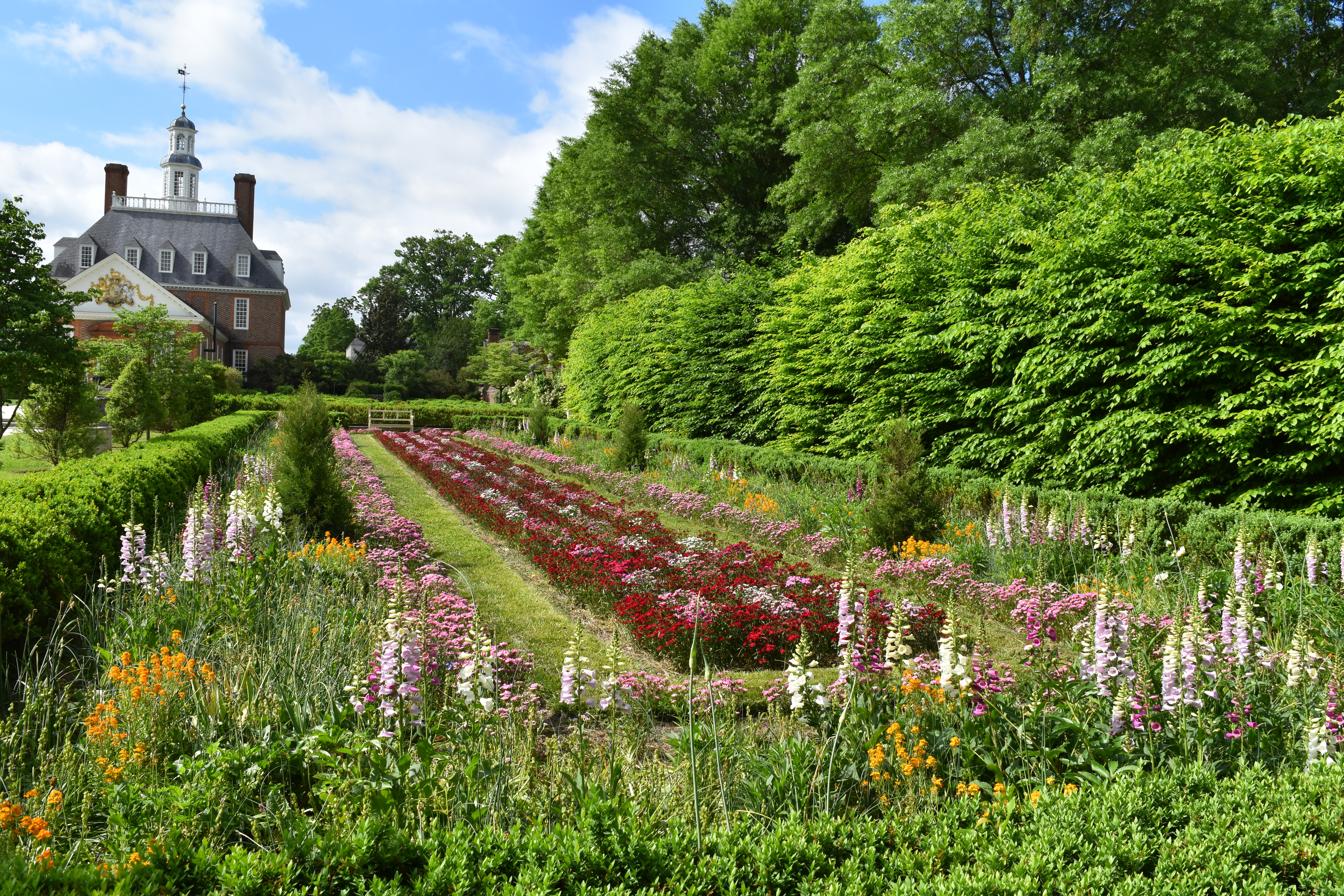
The most prominent building that has extensive gardens is the Governor’s Palace that was re-created in the 1930’s. This was modeled on a drawing that was found in the Bodleian library at the University of Oxford. The landscape architect in charge of re-creating the gardens was Arthur Shurcliff. It sits at the end of Palace Green that is at right-angles to The Duke of Gloucester Street.

Other Gardens at Colonial Williamsburg
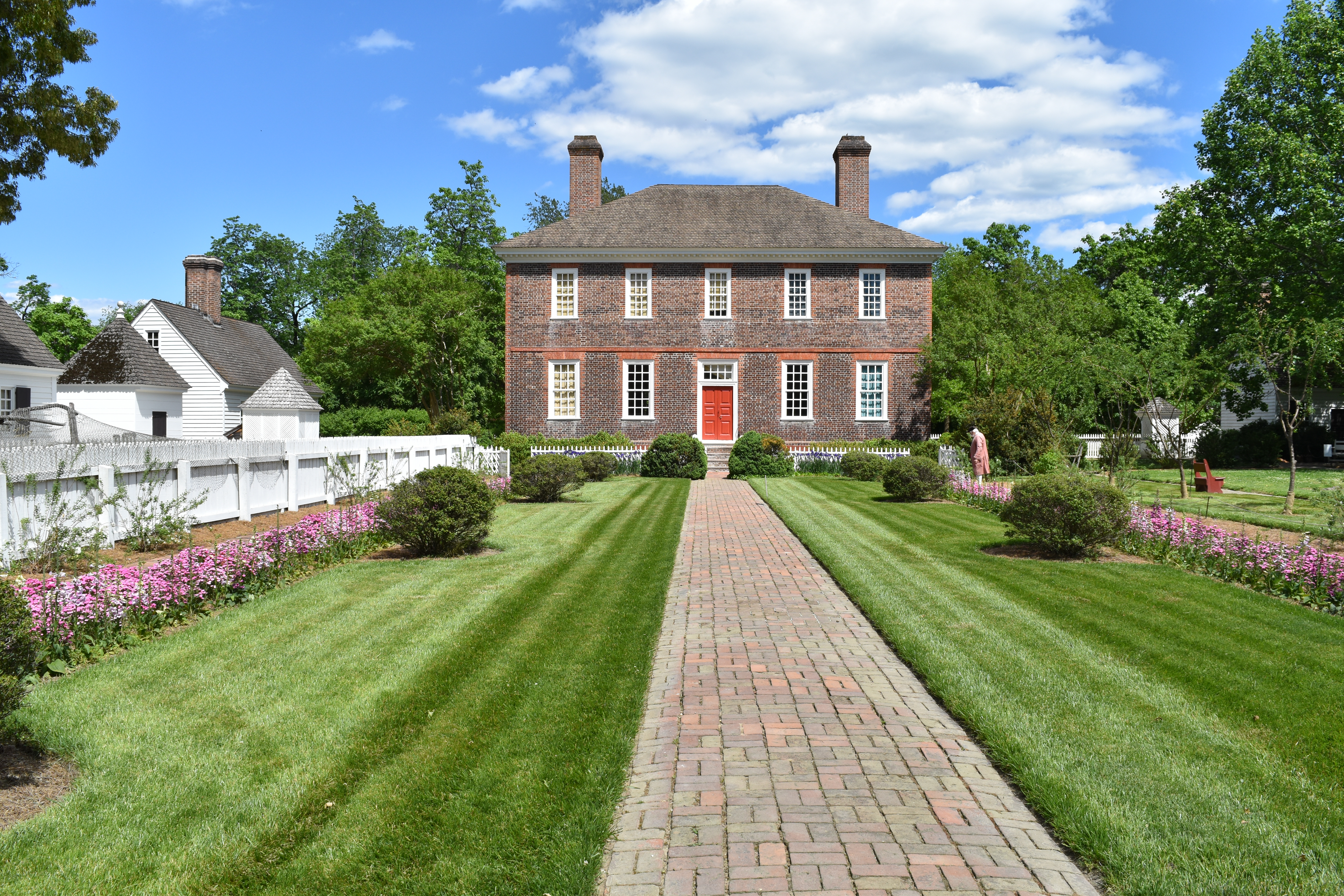

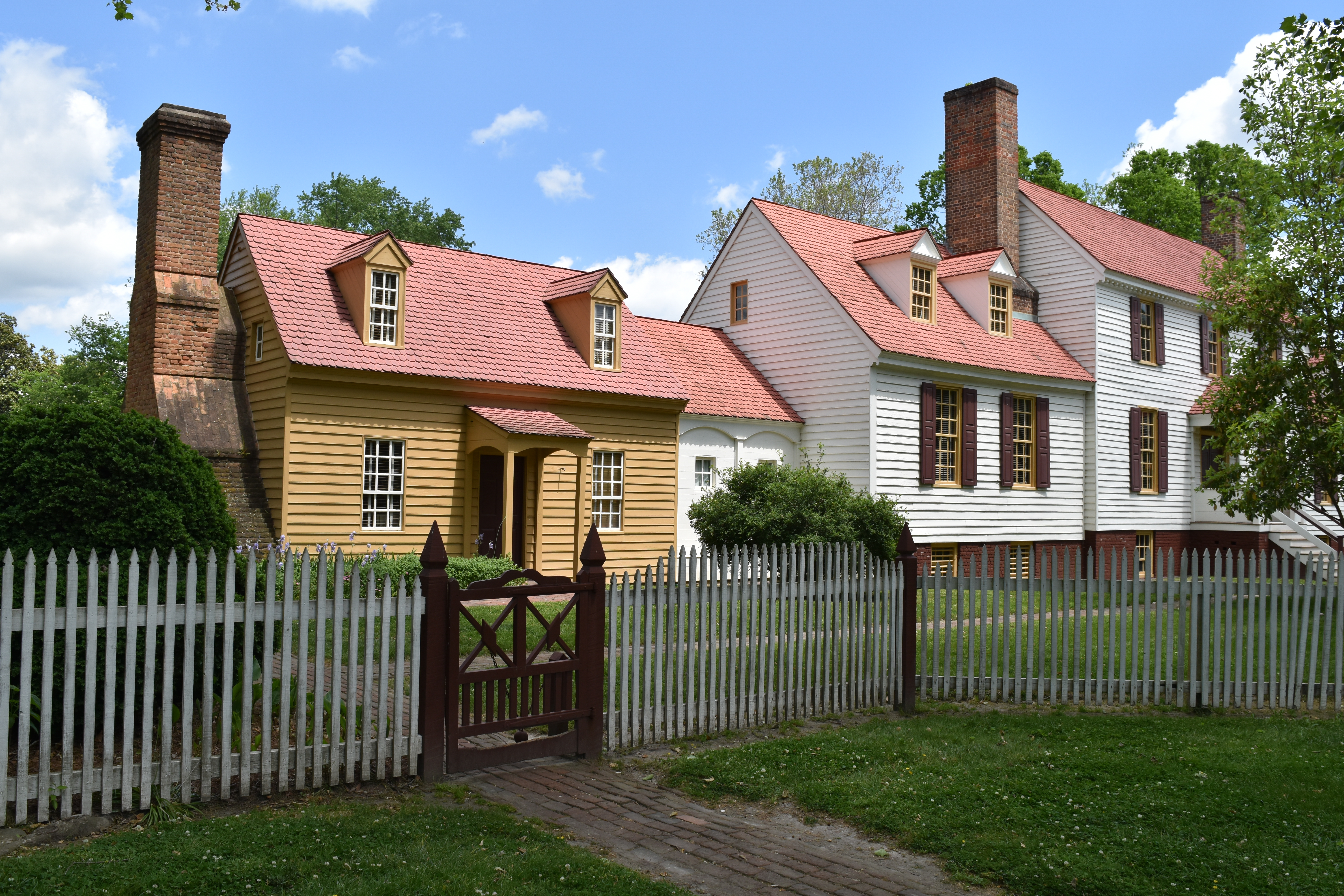
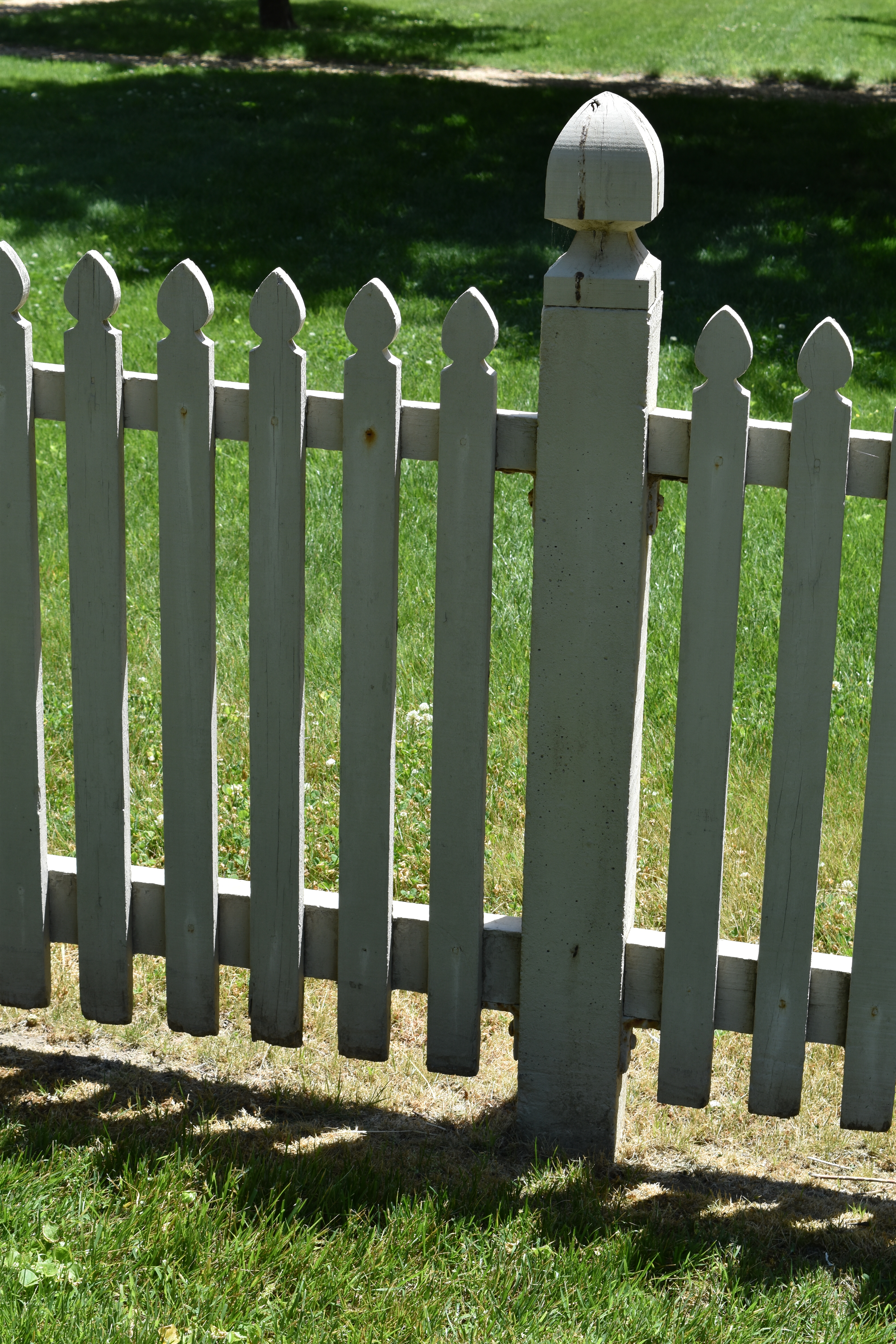
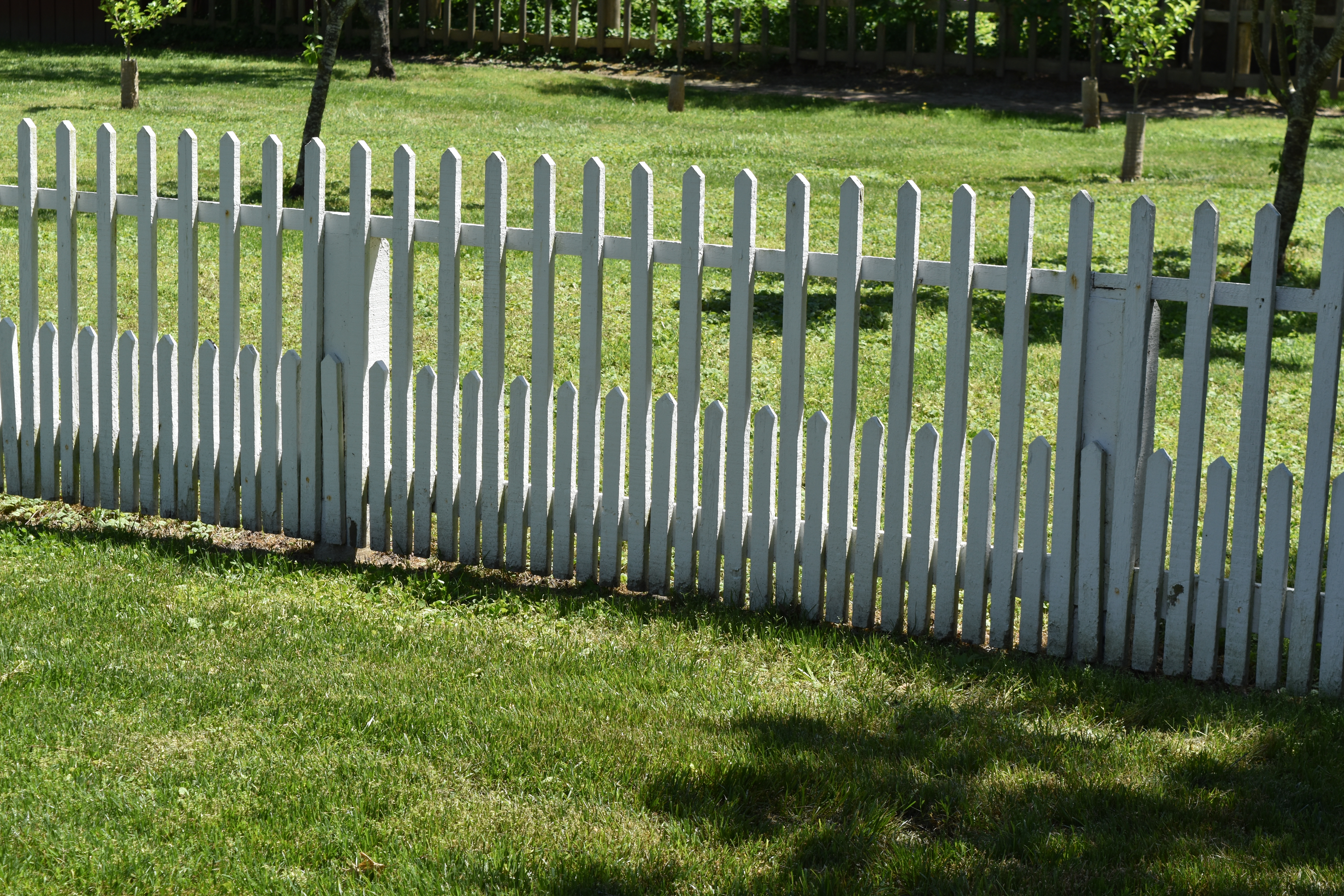
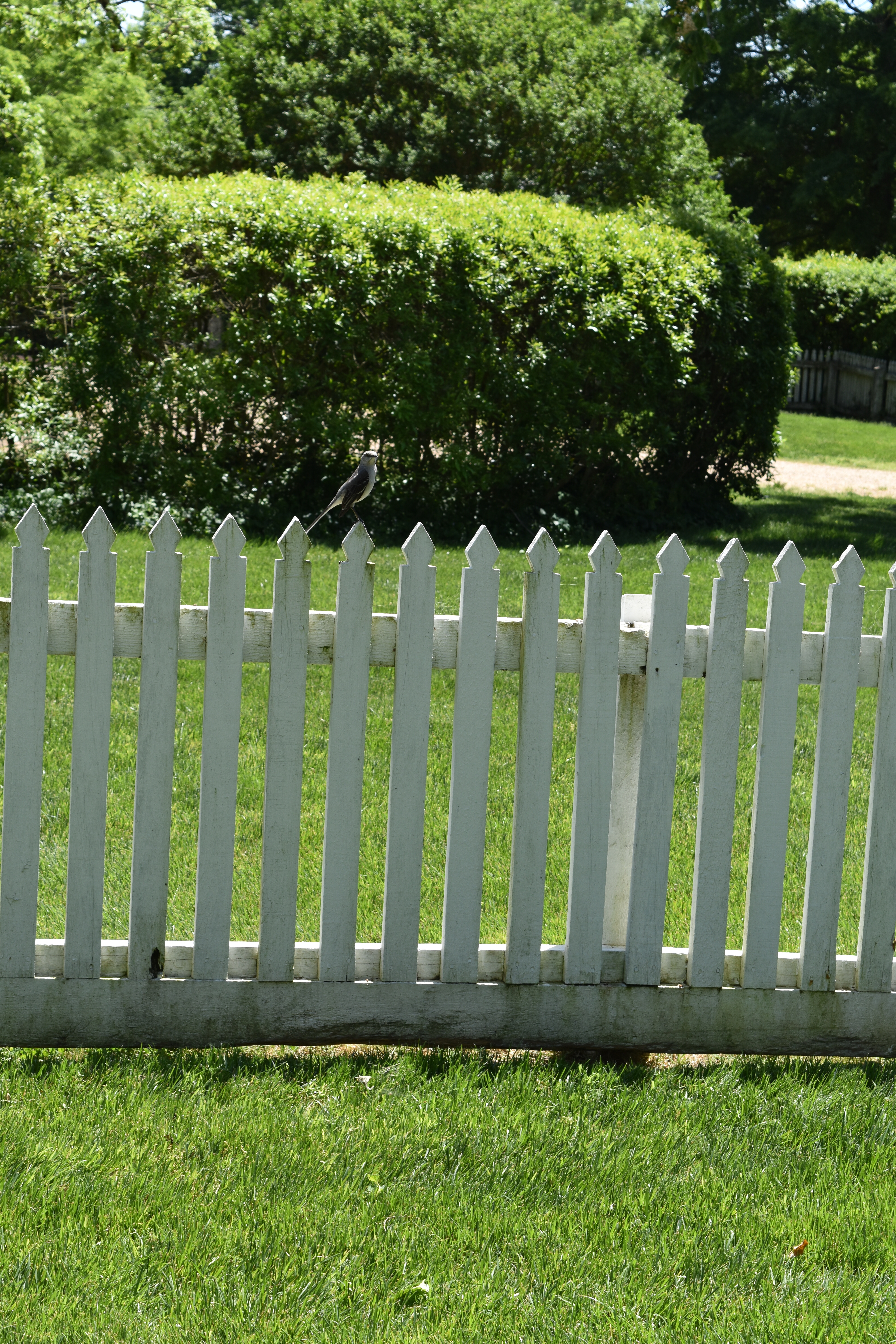
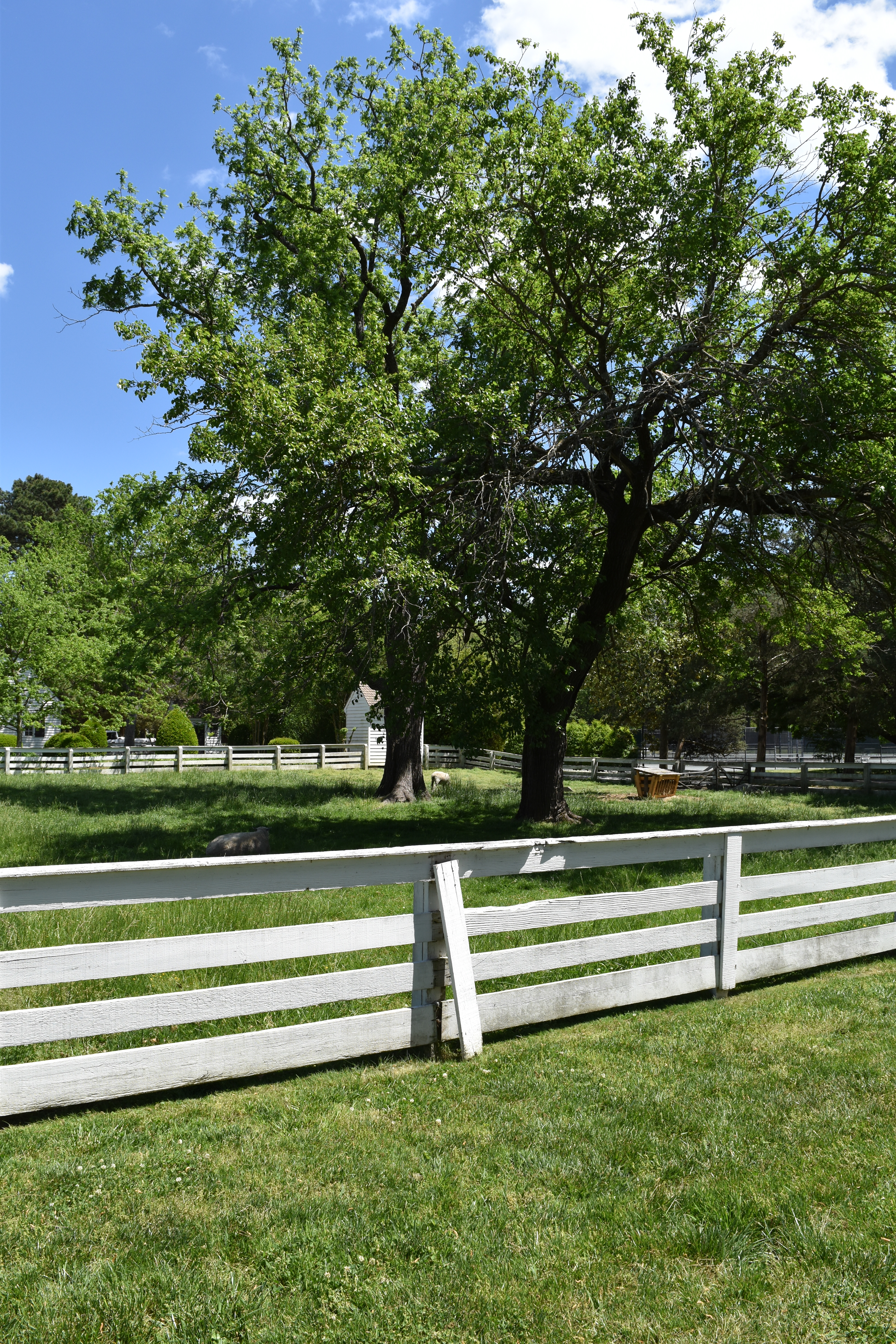
Fences and gates at Colonial Williamsburg
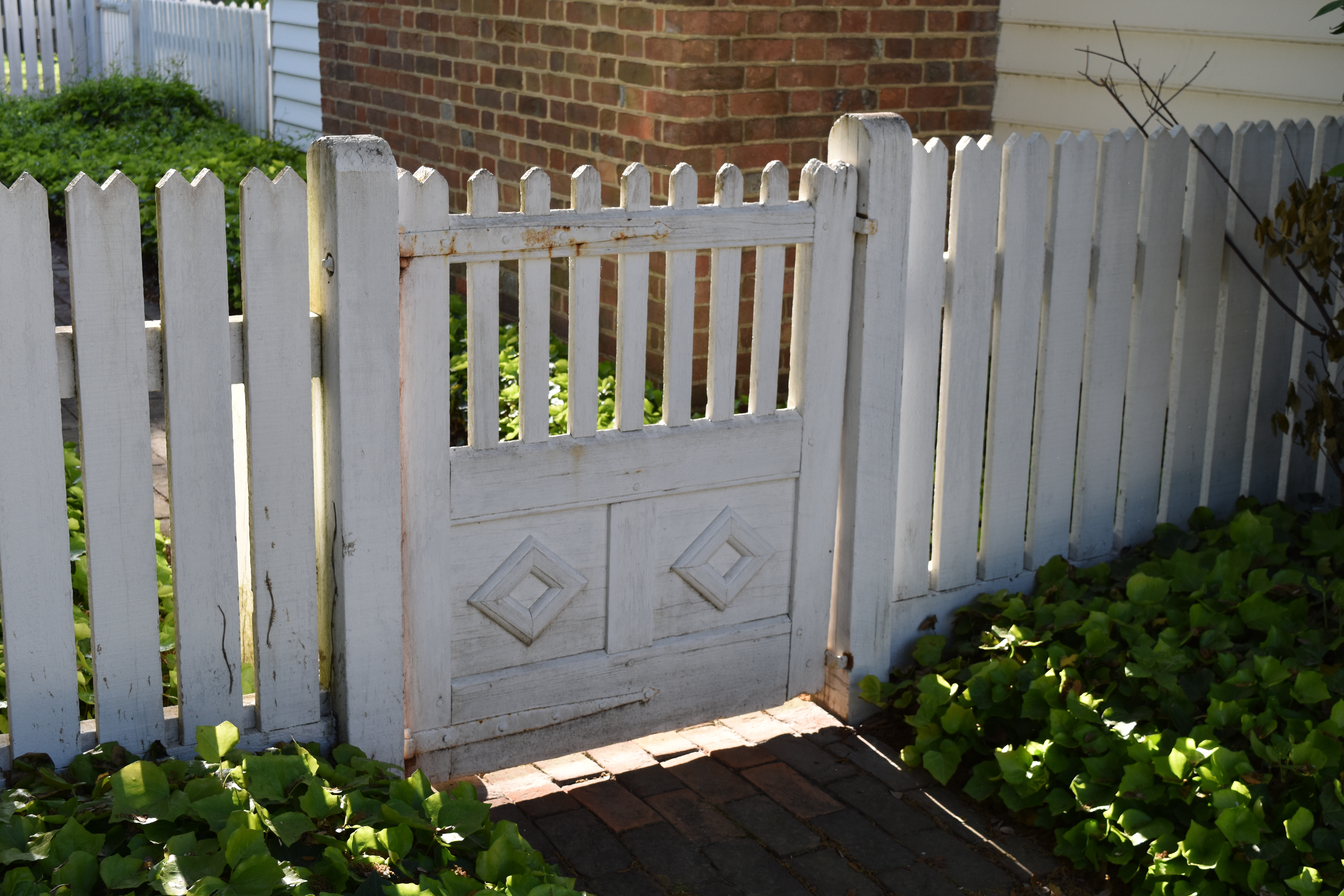
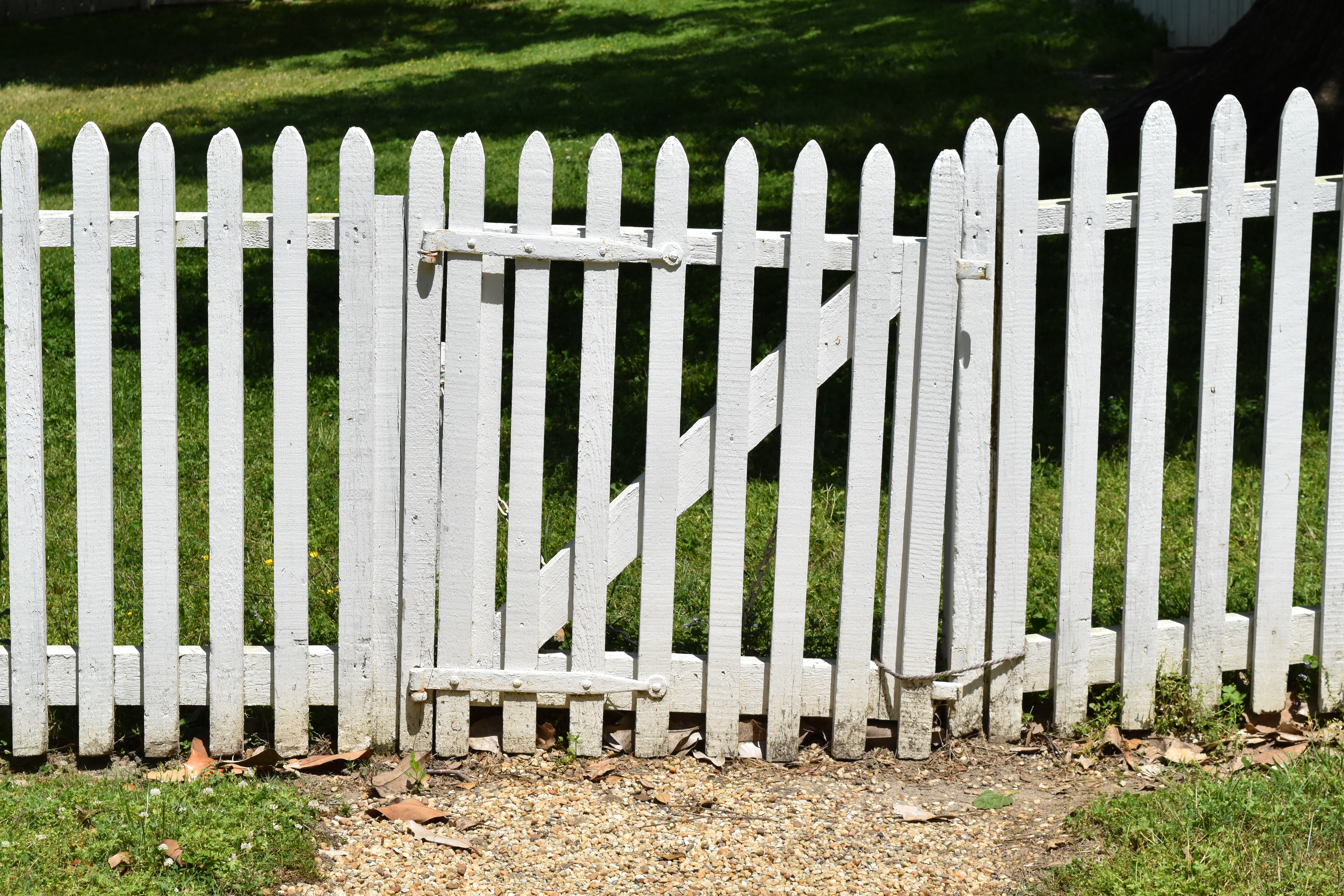
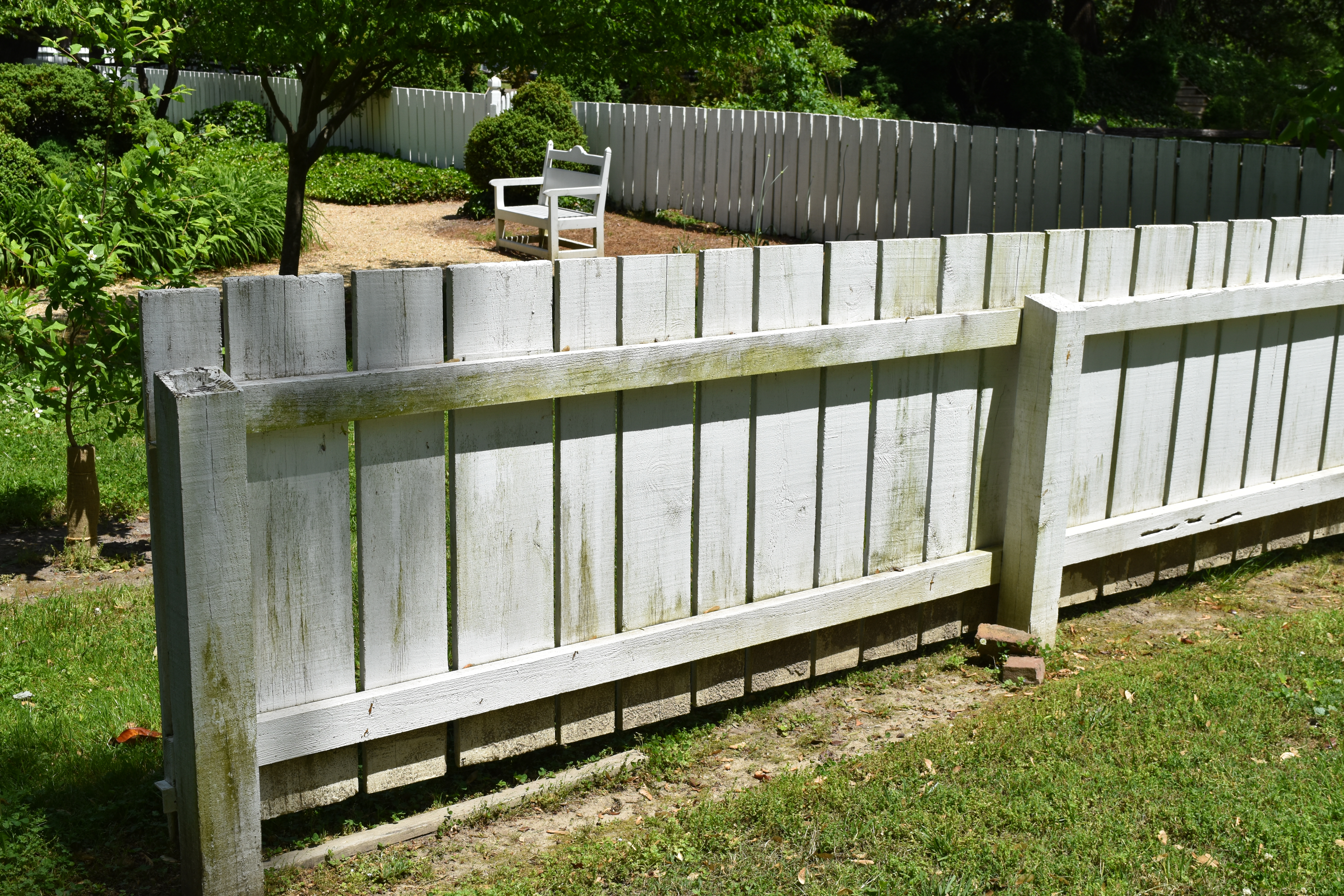
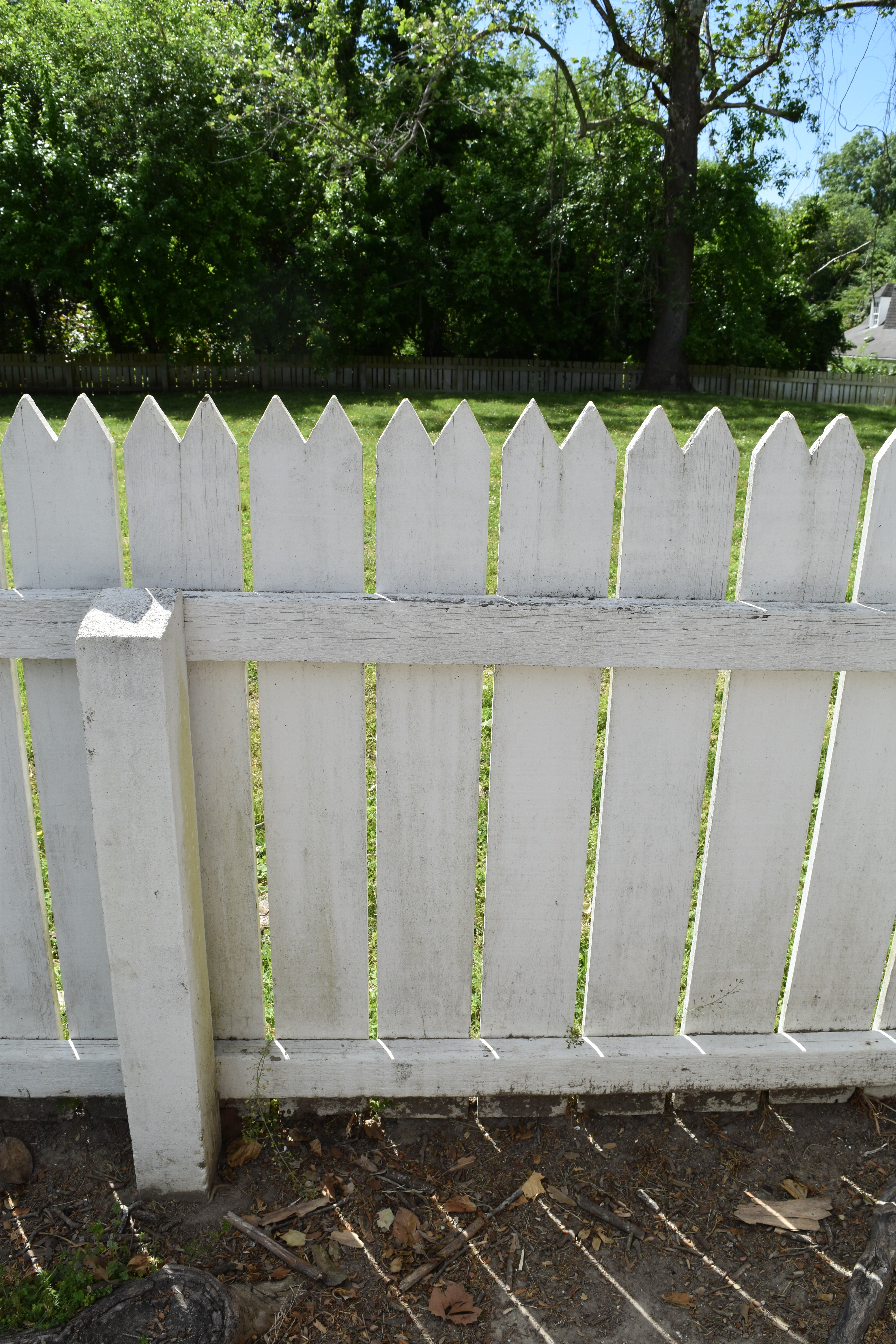
If you love learning about history, old handcrafts, buildings, and gardens then Williamsburg is a wonderful place to put on your visiting list. There are plants to admire, animals to see and costumed guides to inform you.
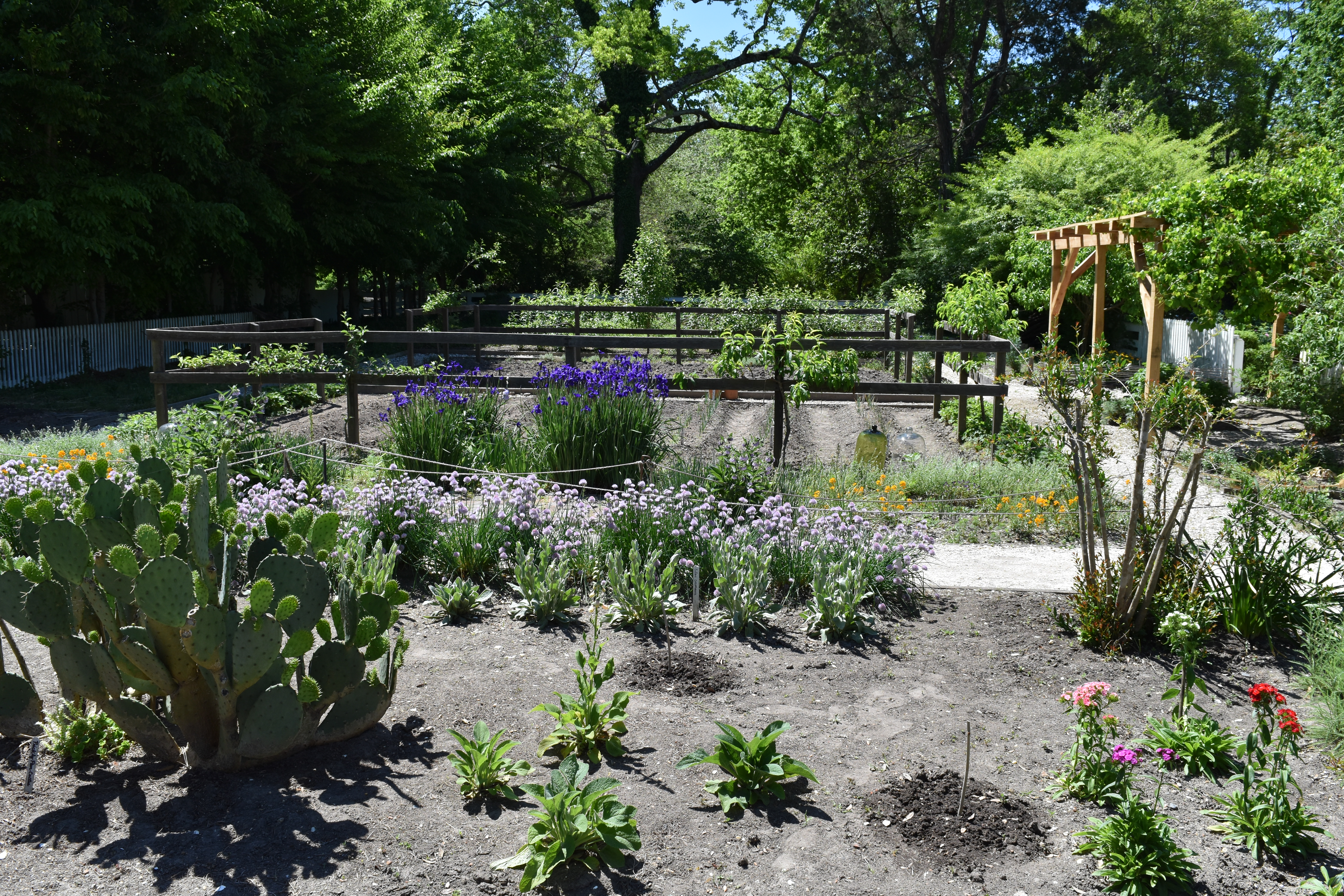
Old-fashioned flowers, herbs, and vegetables at Colonial Williamsburg

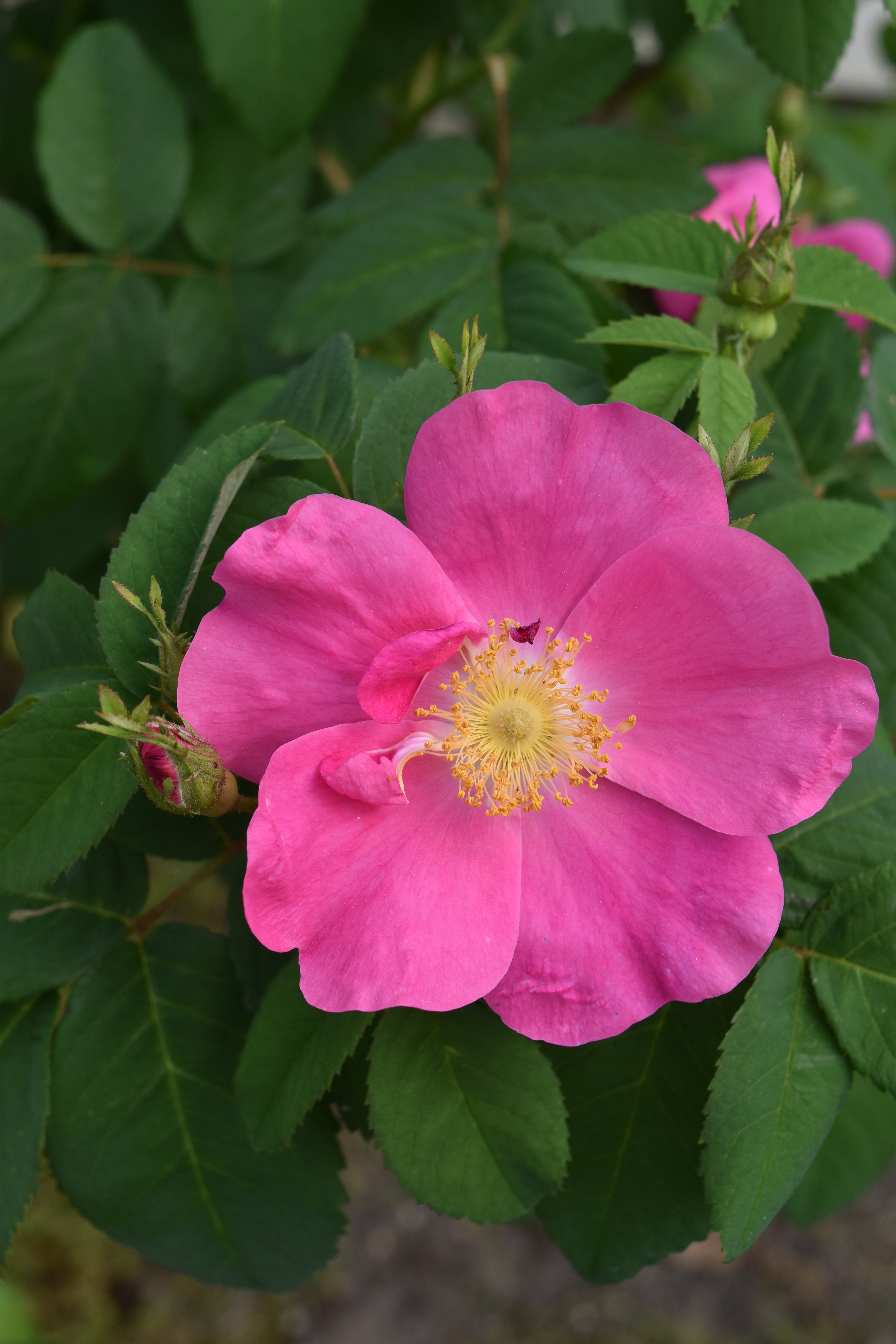
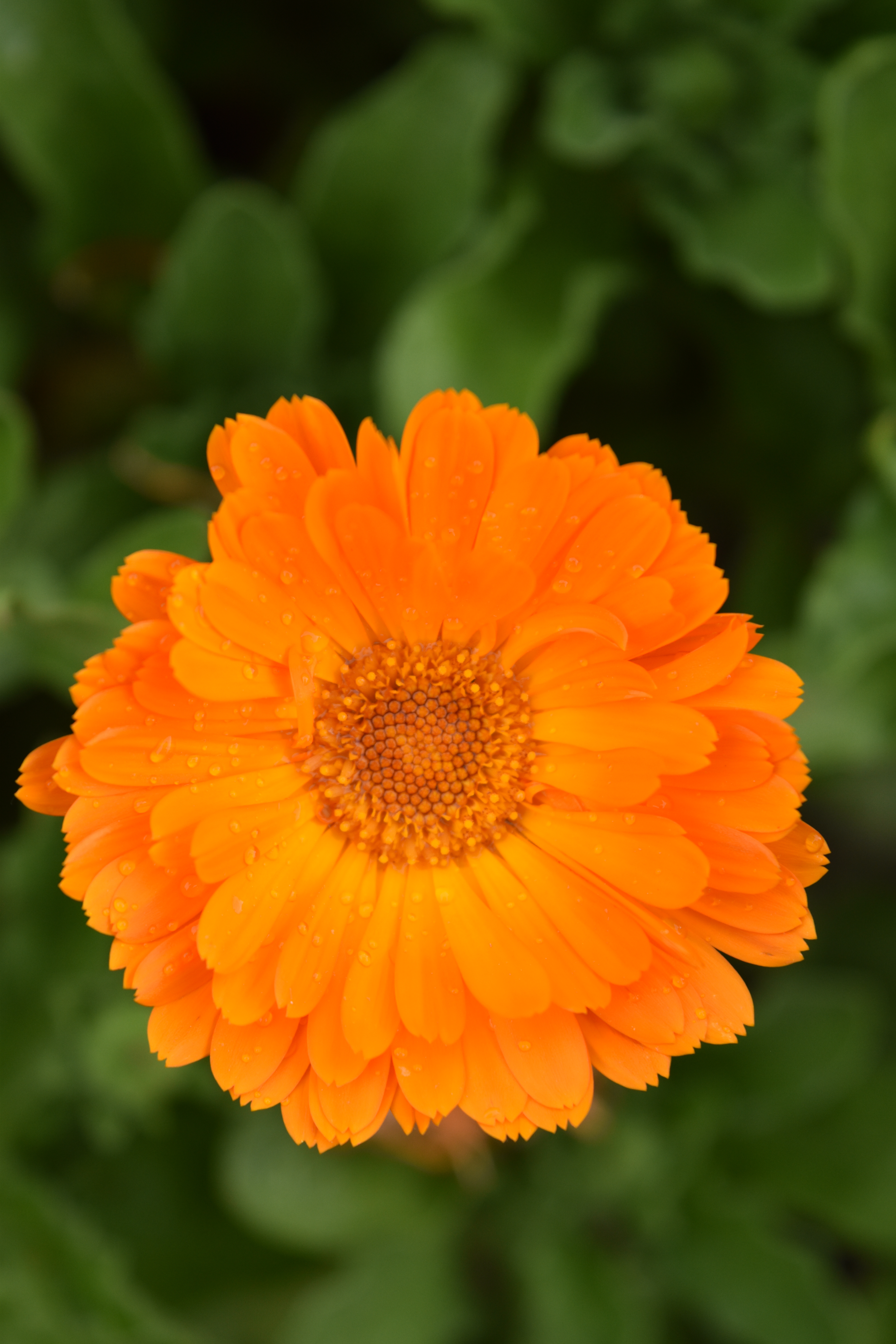
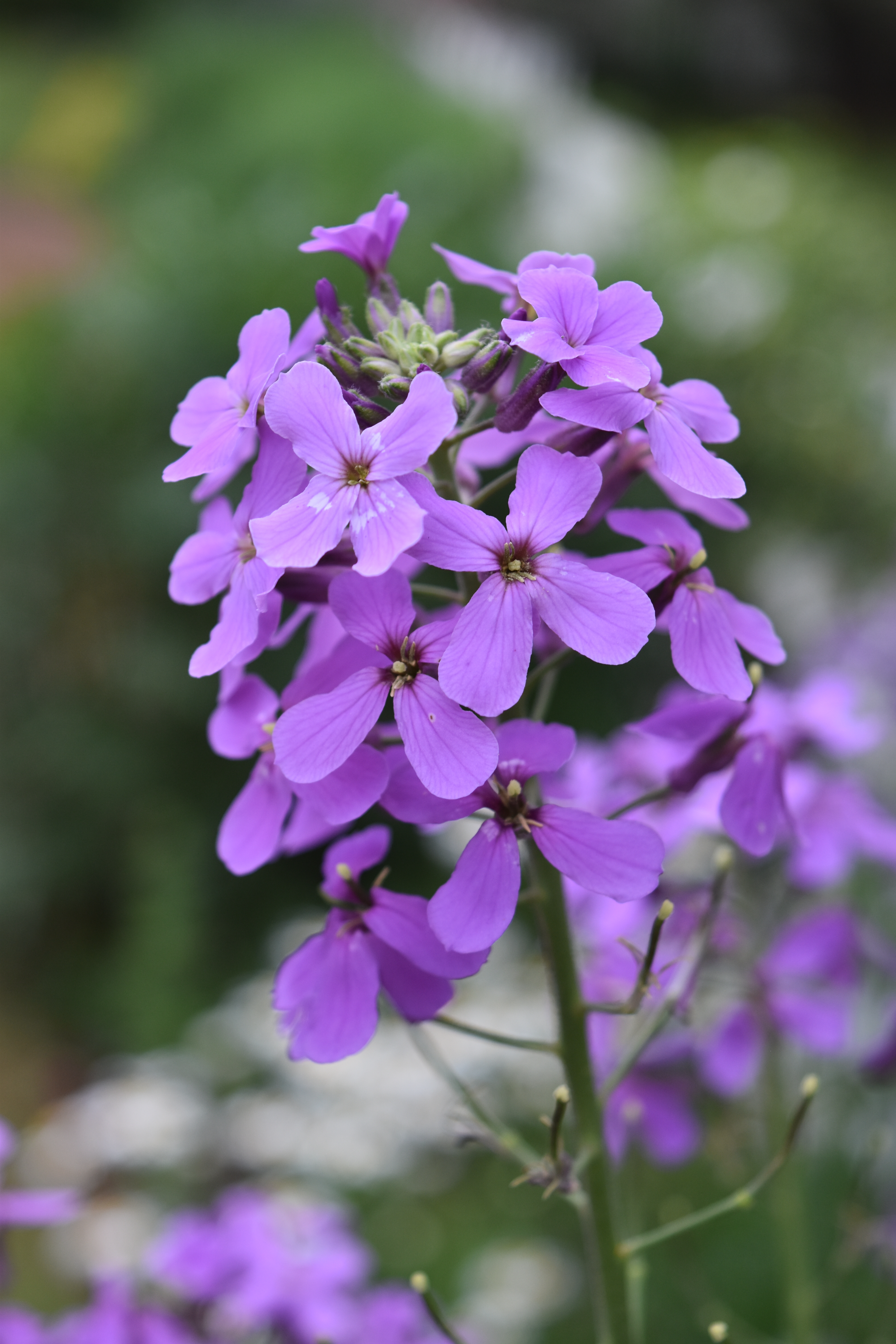
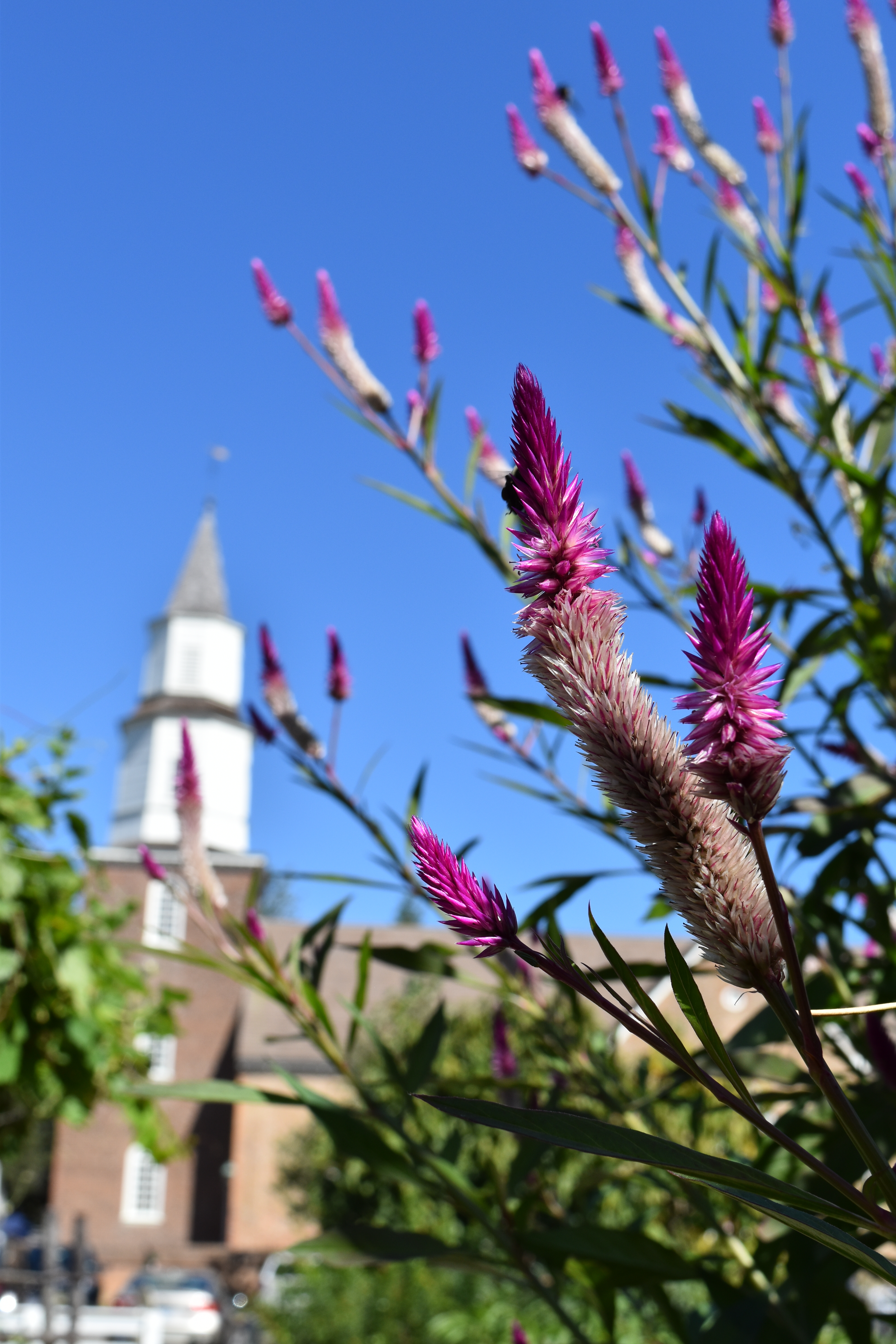
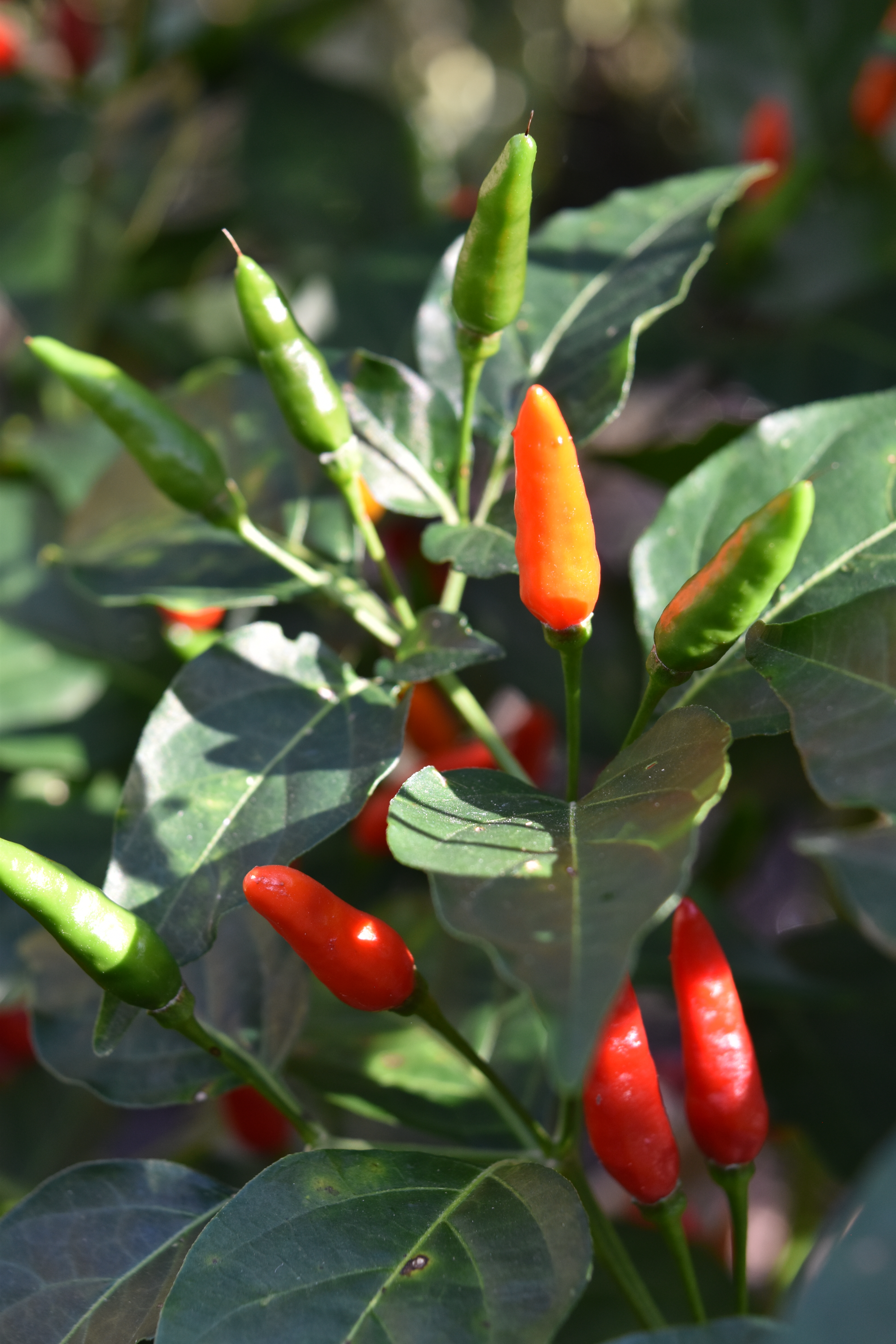
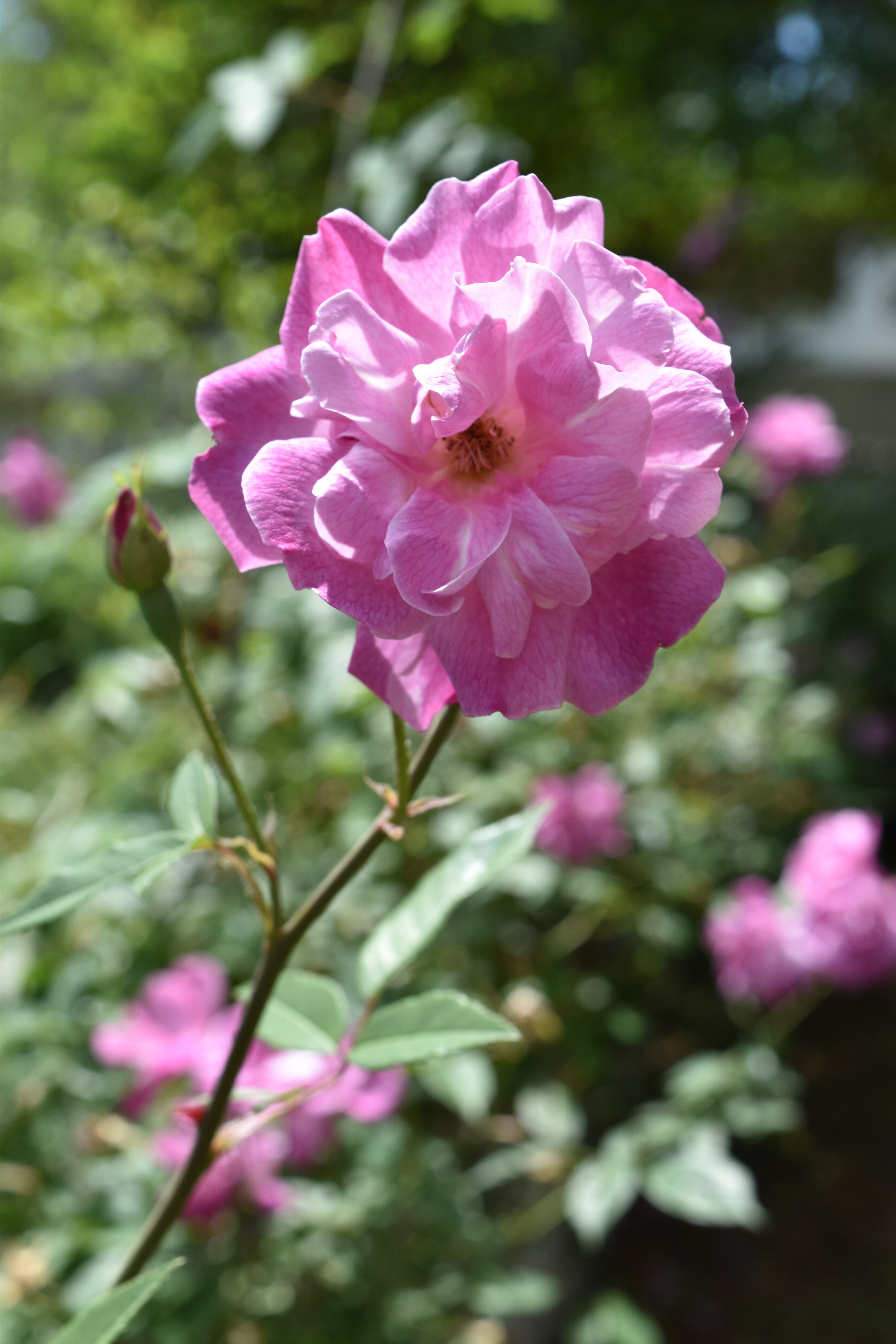
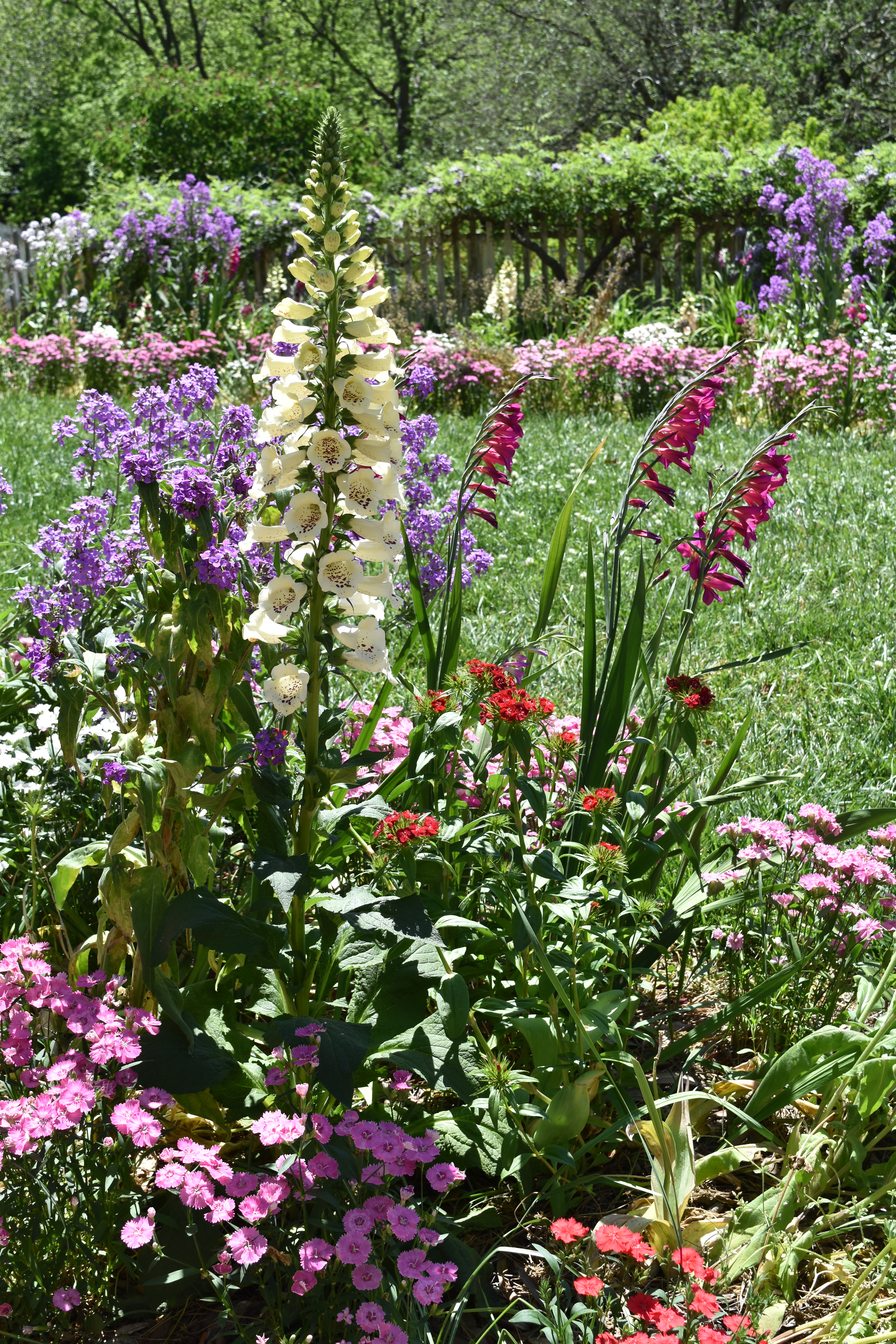
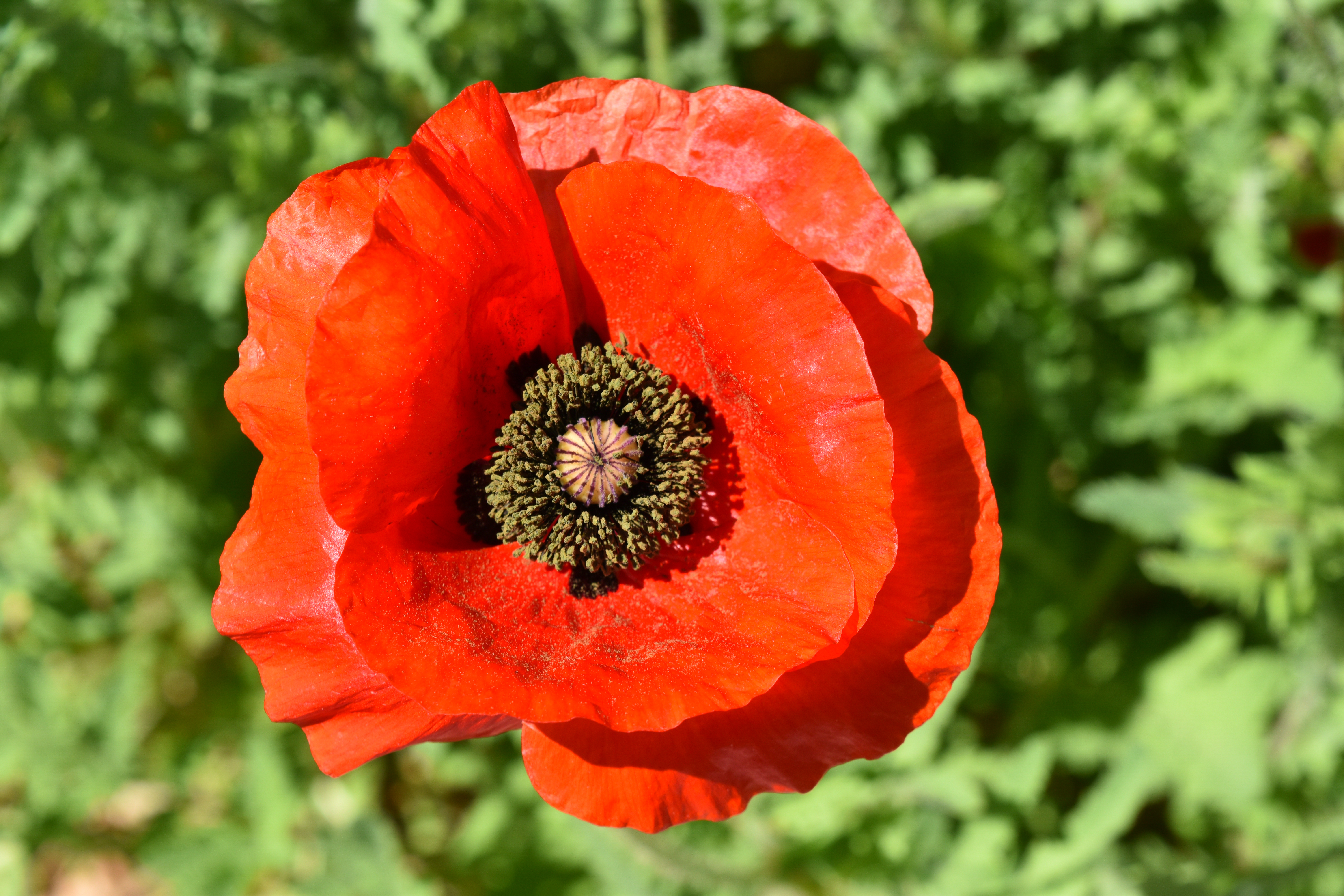
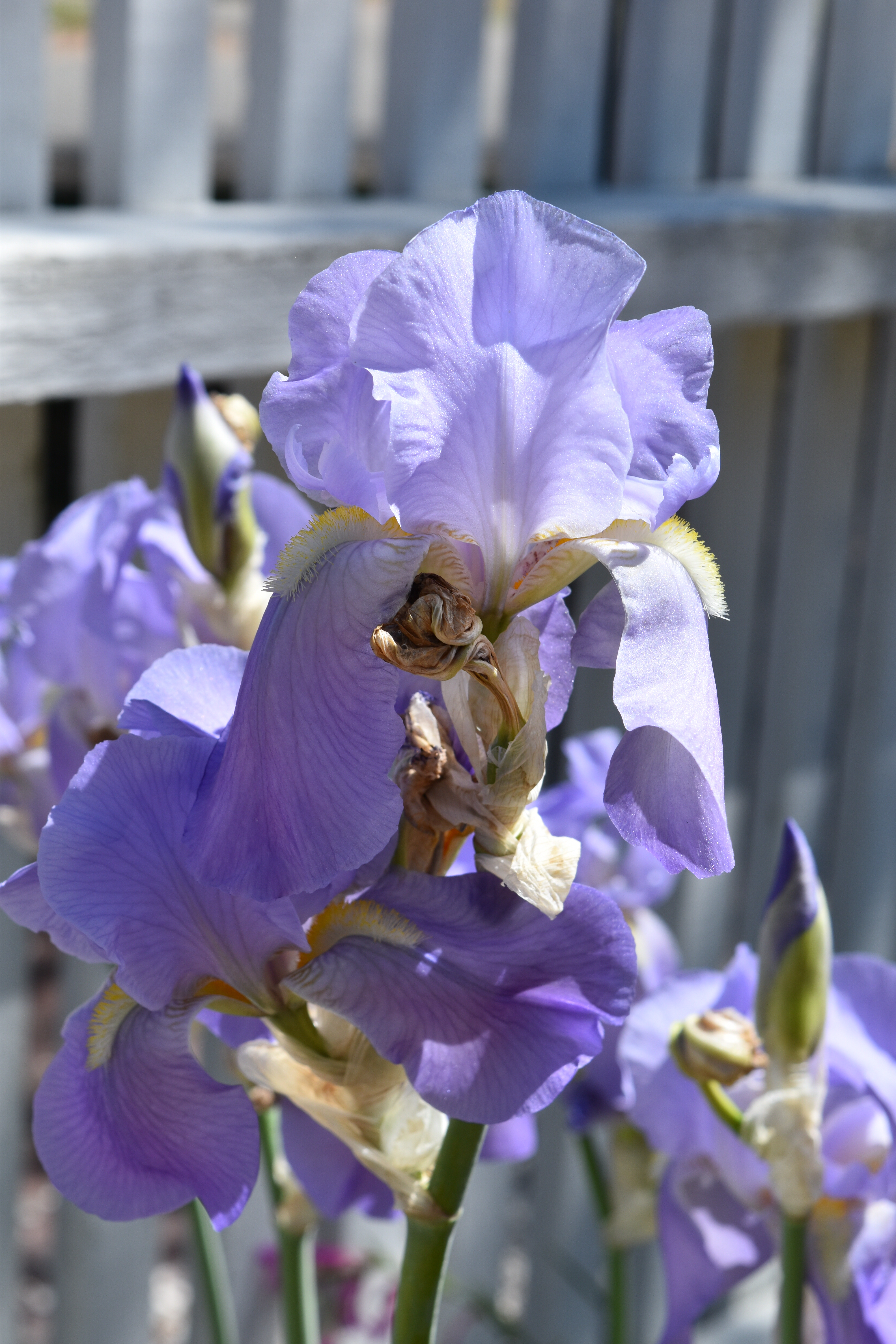
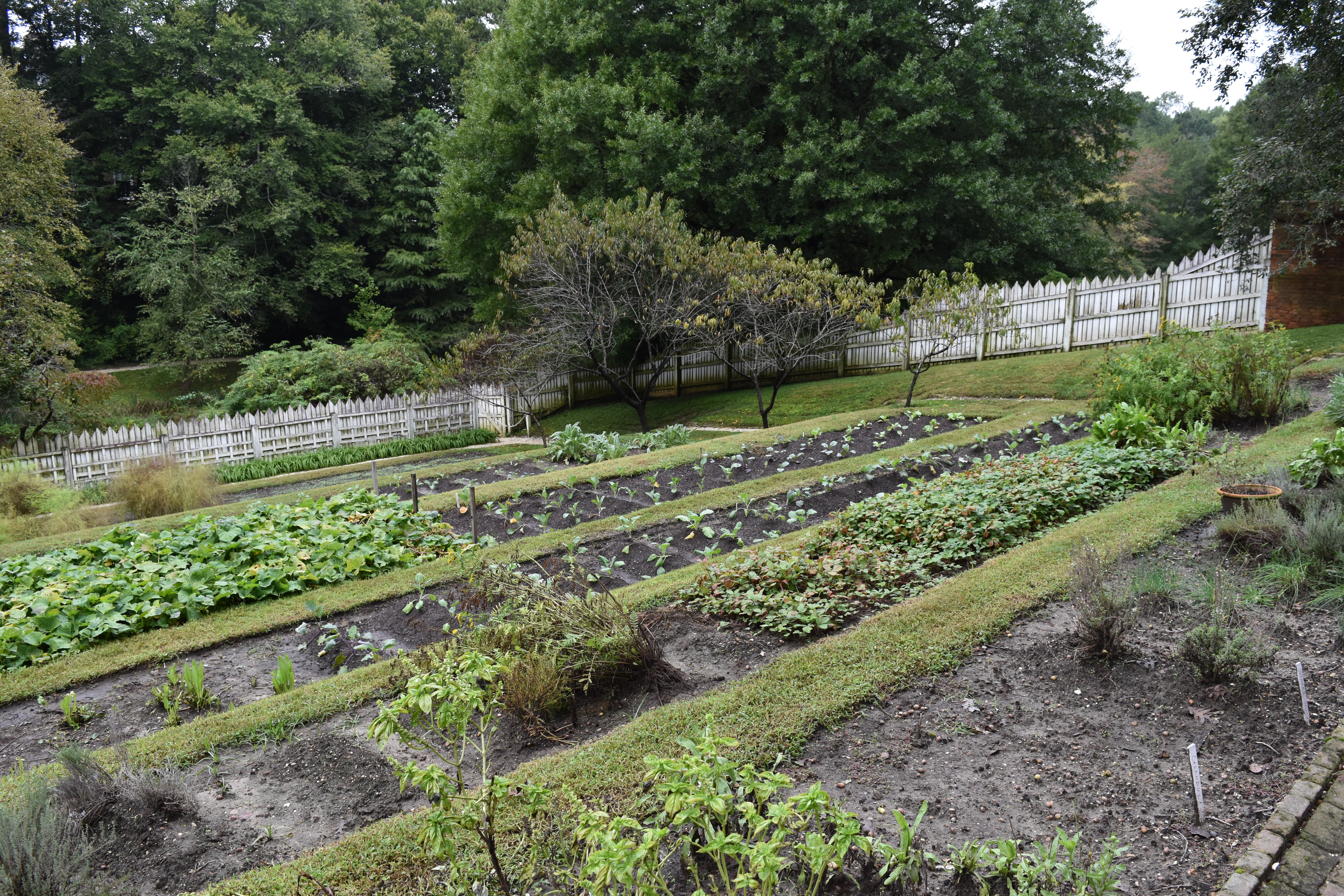
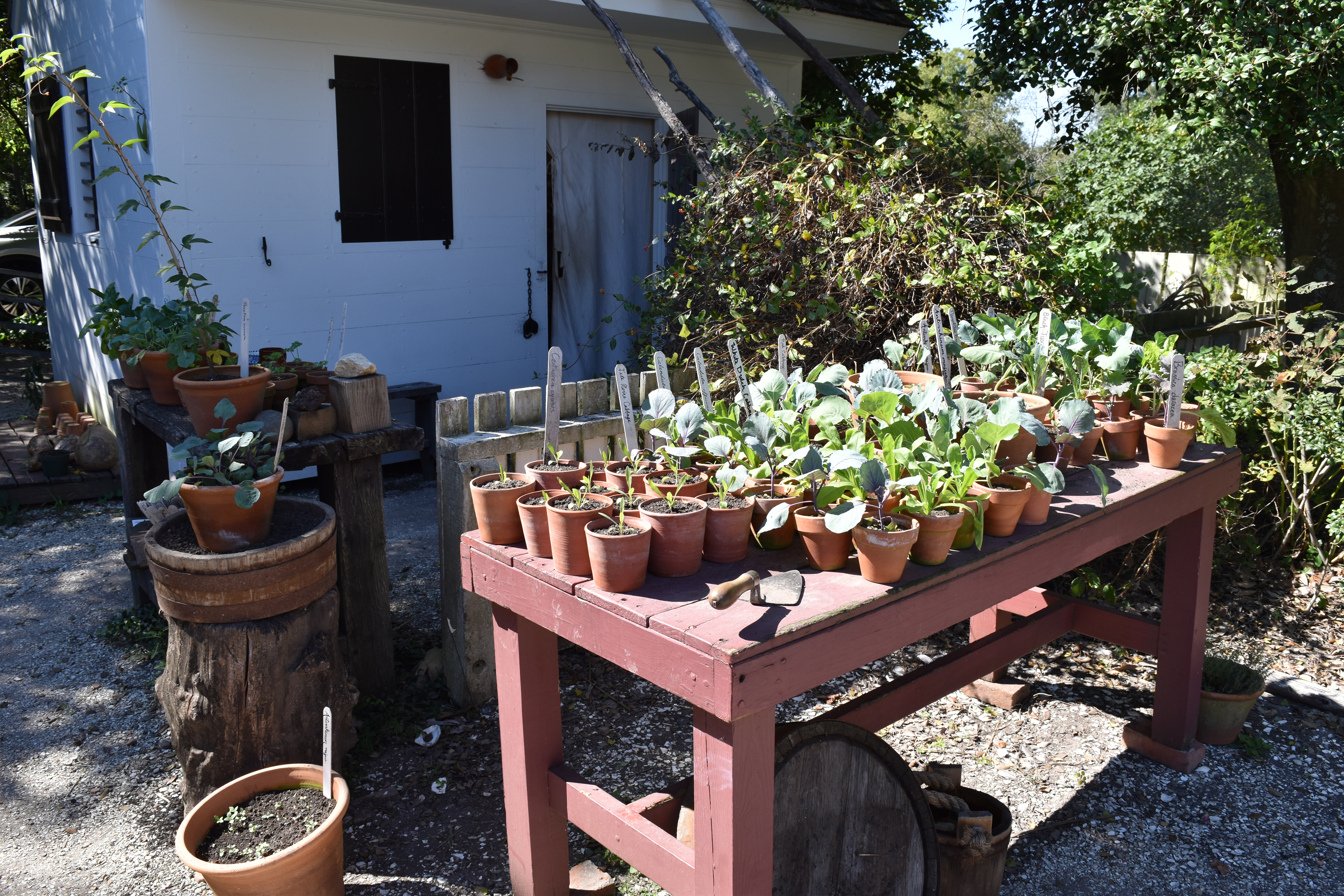
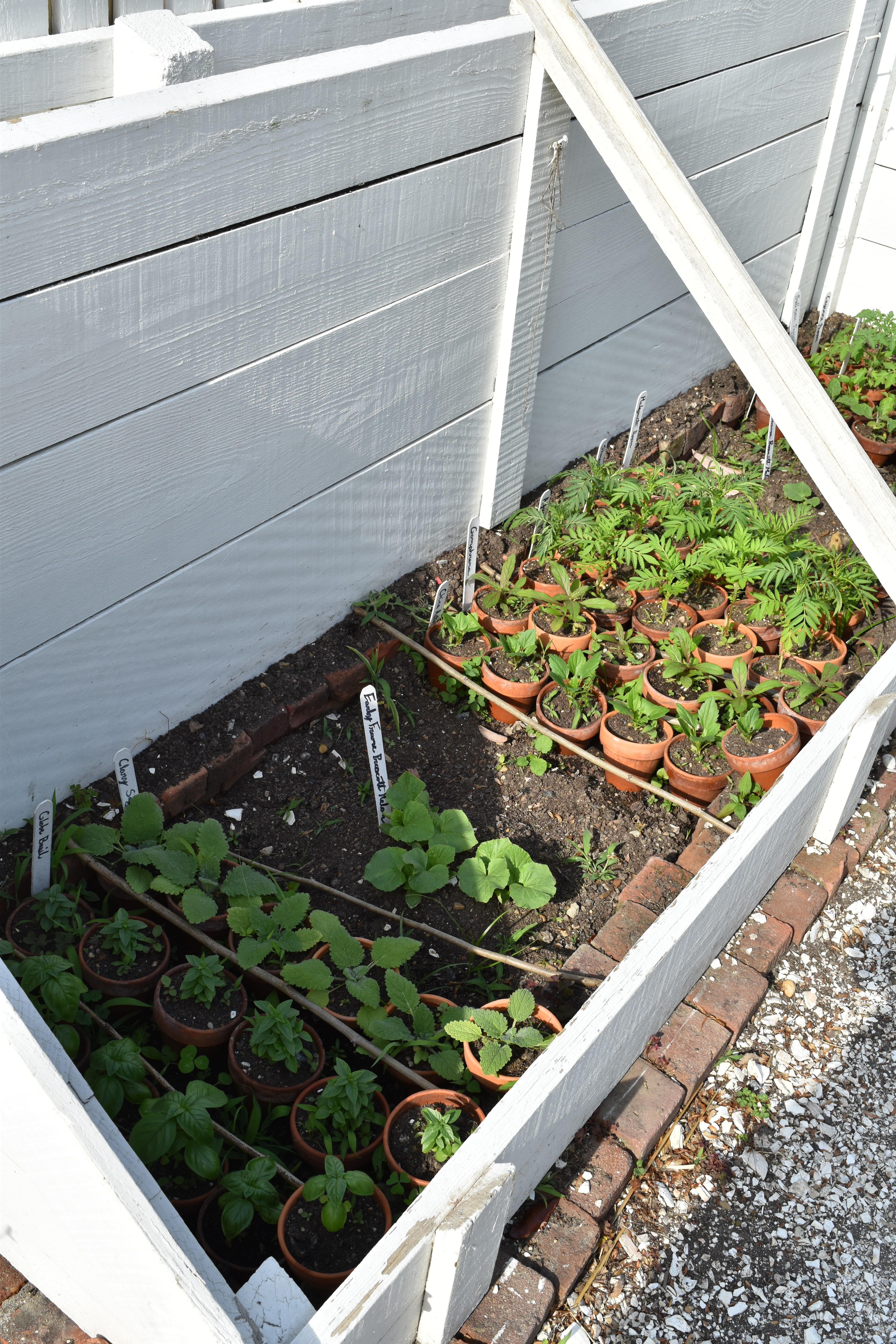
Vegetable and Herb Gardens at Colonial Williamsburg

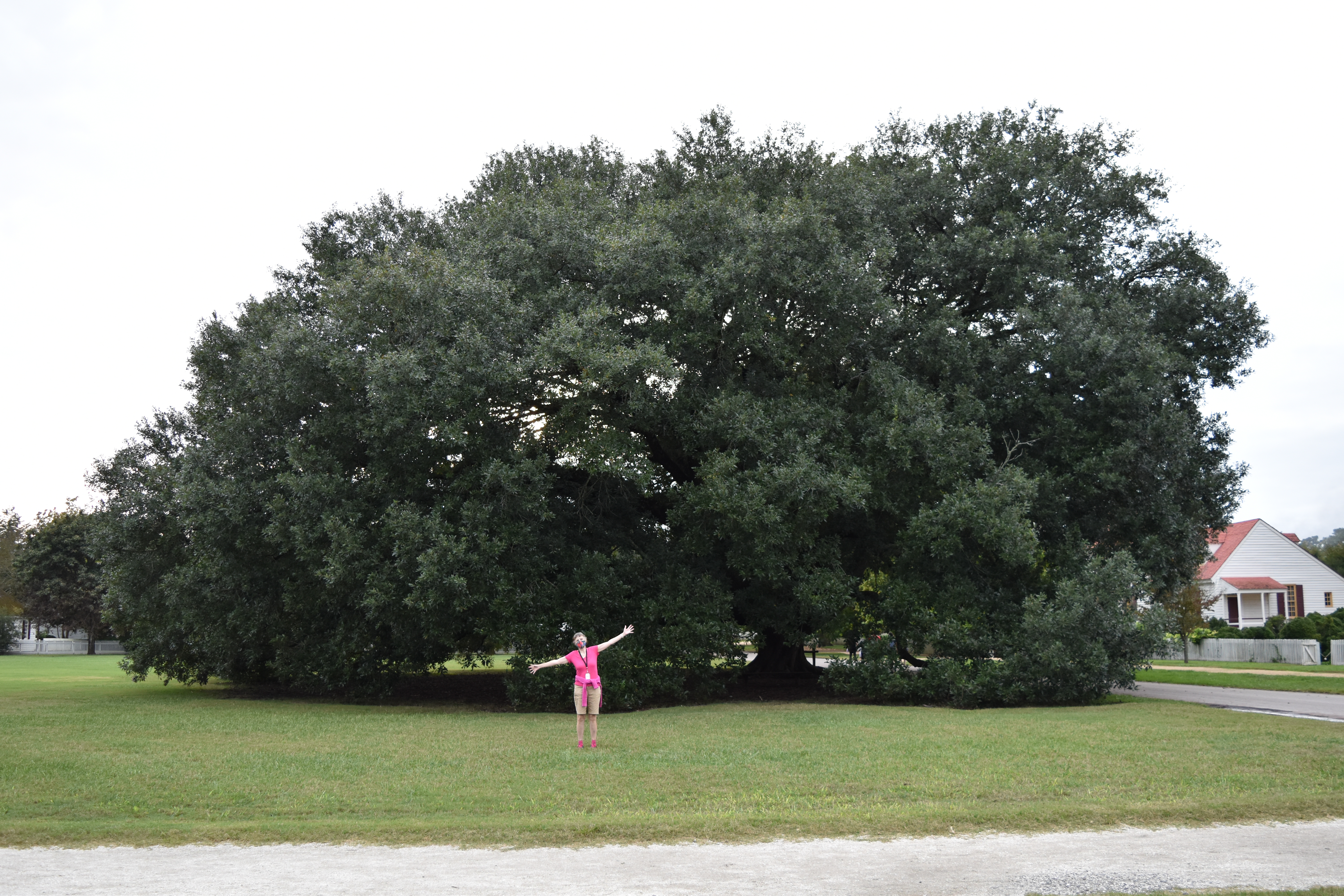
Bye for Now Gardening Friends. I hope that you visit Colonial Williamsburg to see the gardens, plants, buildings, and other treasures. Cheers, Jenny Rose Carey
Discover more from Before You Garden...
Subscribe to get the latest posts sent to your email.
 Before You Garden...
2 Responses to Eighteenth Century American Gardens and Plants at Colonial Williamsburg, Virginia
Jenny Rose, Welcome back to the Colonies. I have been to Williamsburg myself, but have never thought about the grass. Do you think they actually had that much grass or did they leave it for grazing, something else?
Dear Lin,
There wouldn’t have been much lawn as we know it today but having an area for sitting, playing, drying laundry, and other day to day activities would have been present in most gardens. In the southern USA, urban areas, shady or arid places lawn was replaced by a gravelled or paved area that was used for the same purposes – the yard, and the southern swept yard came out of that tradition. Lawns as such were scythed or grazed (rather dangerous in a garden because your other plants were at risk – but fine in an orchard) until the invention of the lawnmower. Today’s interpretation of the gardens owes much more to the Colonial Revival style of the early @0th Century and is something that contemporary visitors expect to see. I hope that this helps. Cheers,
Jenny Rose Carey