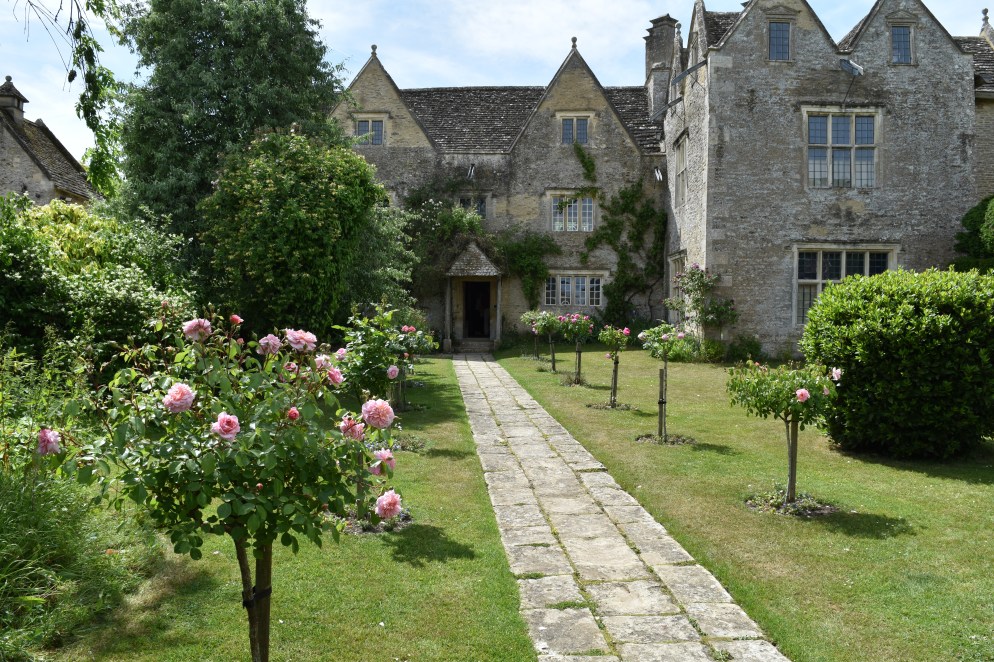

Kelmscott Manor – Home of William and Jane Morris
Tucked down a little lane in a sleepy village lies a place of pilgrimage for lowers of the Arts and Crafts movement. The former home of William and Jane Morris and their two daughters, Jenny and May, is now used as a house and garden museum to tell the story of their lives, impacts, and the wider group of their like-minded friends.
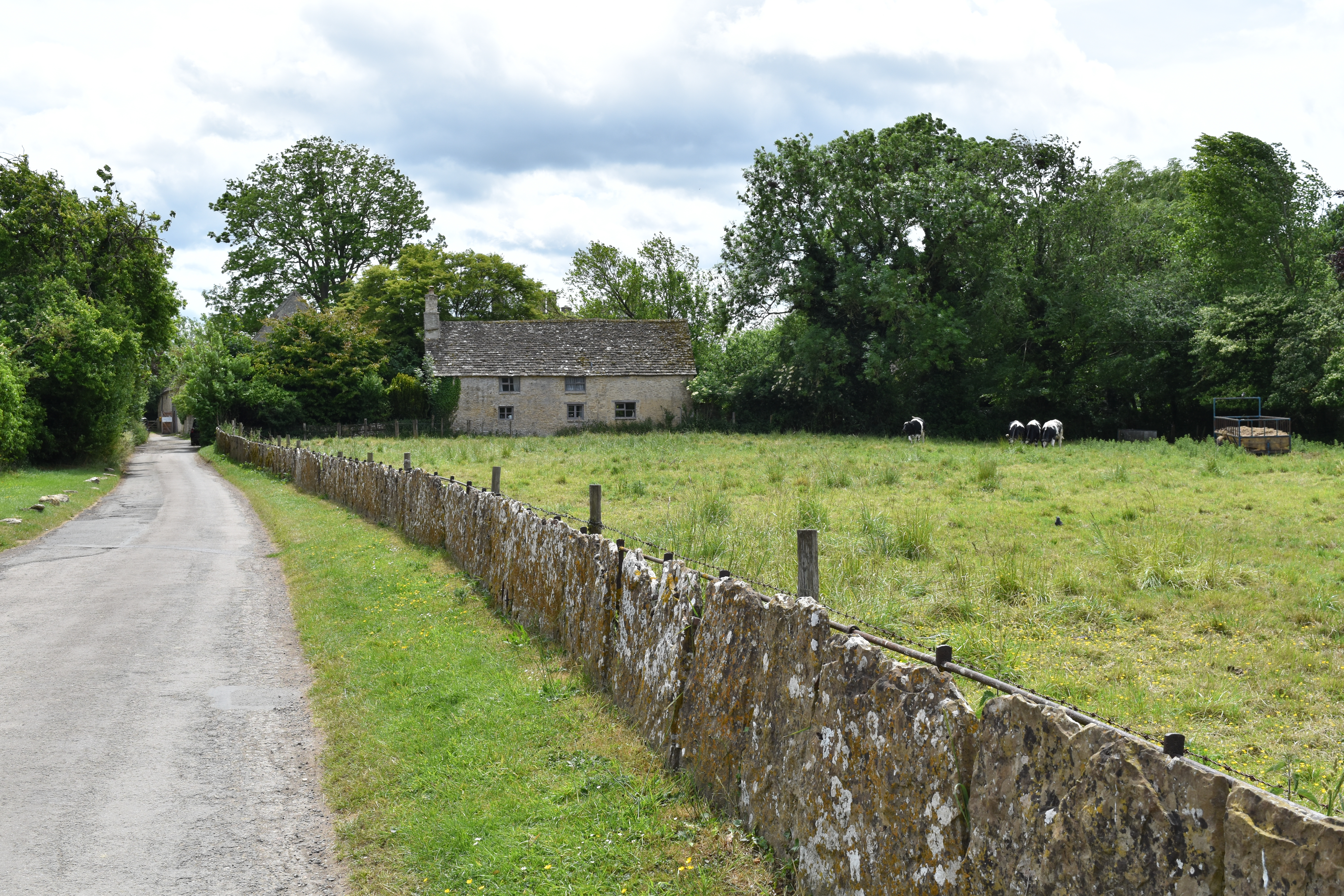
The walk down the lane gives an idea of the way that the old manor was approached in the Morris’s time. Cows graze the field and there is an unusual split stone fence leant against the metal one behind it.
Brief History of Kelmscott Manor and The Morris Family
Dating fom the 1600’s the limestone farmhouse seems timeless. That is what the Morris family and their friend Dante Gabriel Rossetti loved about it when they leased it from the owner in the 1870’s. Morris known as a designer, writer and producer was a staunch believer in the power of these handmade arts and crafts to alleviate the problems that had beset England in the industrial age. Large factories provided employment for workers but often paired with unsafe and inhuman working conditions.
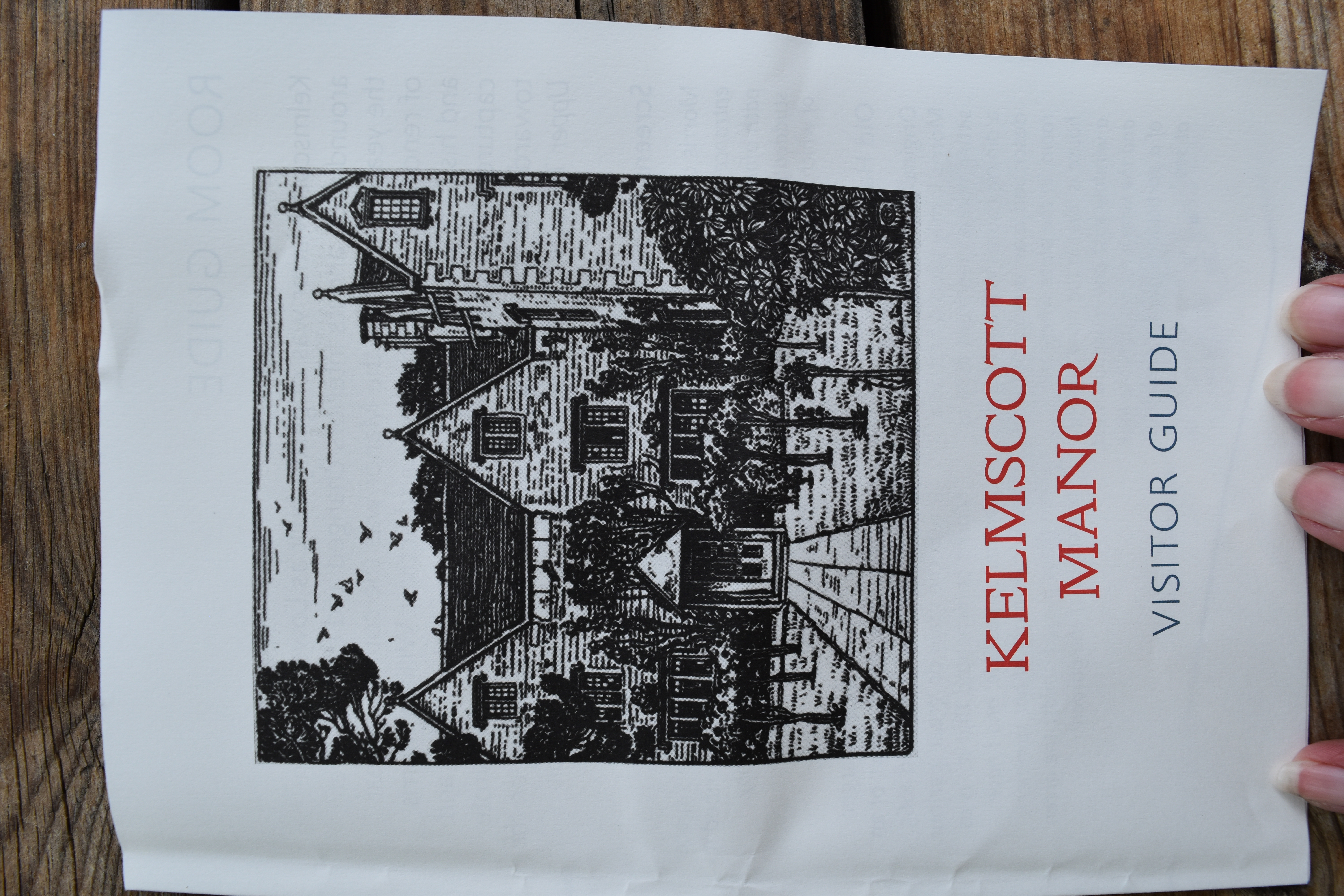
To counteract this dehumanizing workplace grous of people pushed for social reform. William Morris was part of that movement and thought that one of the ways to escape the uniformity of machine-made goods was to turn back to a pre-industrial era when goods were made by hand. It is a complicated narrative that has some re-writing of history to make the olden days seem idyllic, but it was, in Morris’s case paired with a genuine interest in improving people’s lives.
Beauty and Function – Inspired by Nature
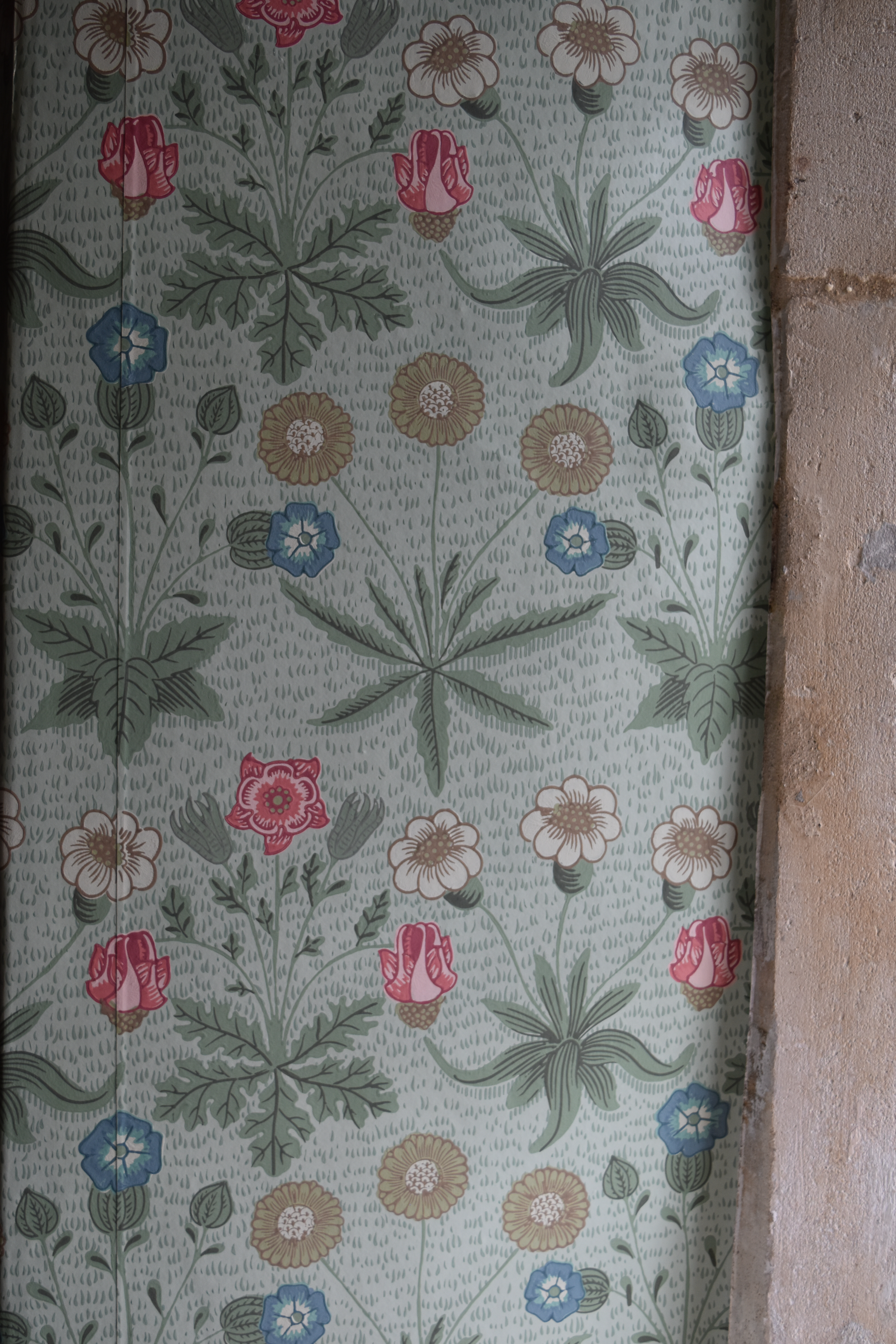
Morris’s overriding ethos was that your home should be beautiful and all the objects should also be useful. He worked with numerous family members, friends, collaborators and employees for years to create a wide range of decorative designs and objects.
The designs produced by his firm were used for wallpaper, tiles, tapestries, printed books, and more. The breadth and scope of the design output is diverse, but what they share is a respect for, and inspiration from the natural world. For example the daisy-inspired wallpaper above that is shown in one of the rooms of the house. The inspiration for this design was probably the English Daisy (Bellis perennis) that might have been growing outside the door.
Inside the Manor House
The Manor and its gardens have been owned since the 1960’s by The Society of Antiquaries. They have renovated the buildings, re-landscaped the gardens and added decorative furniture and objects to show the way that the house looked while the Morris family lived there.
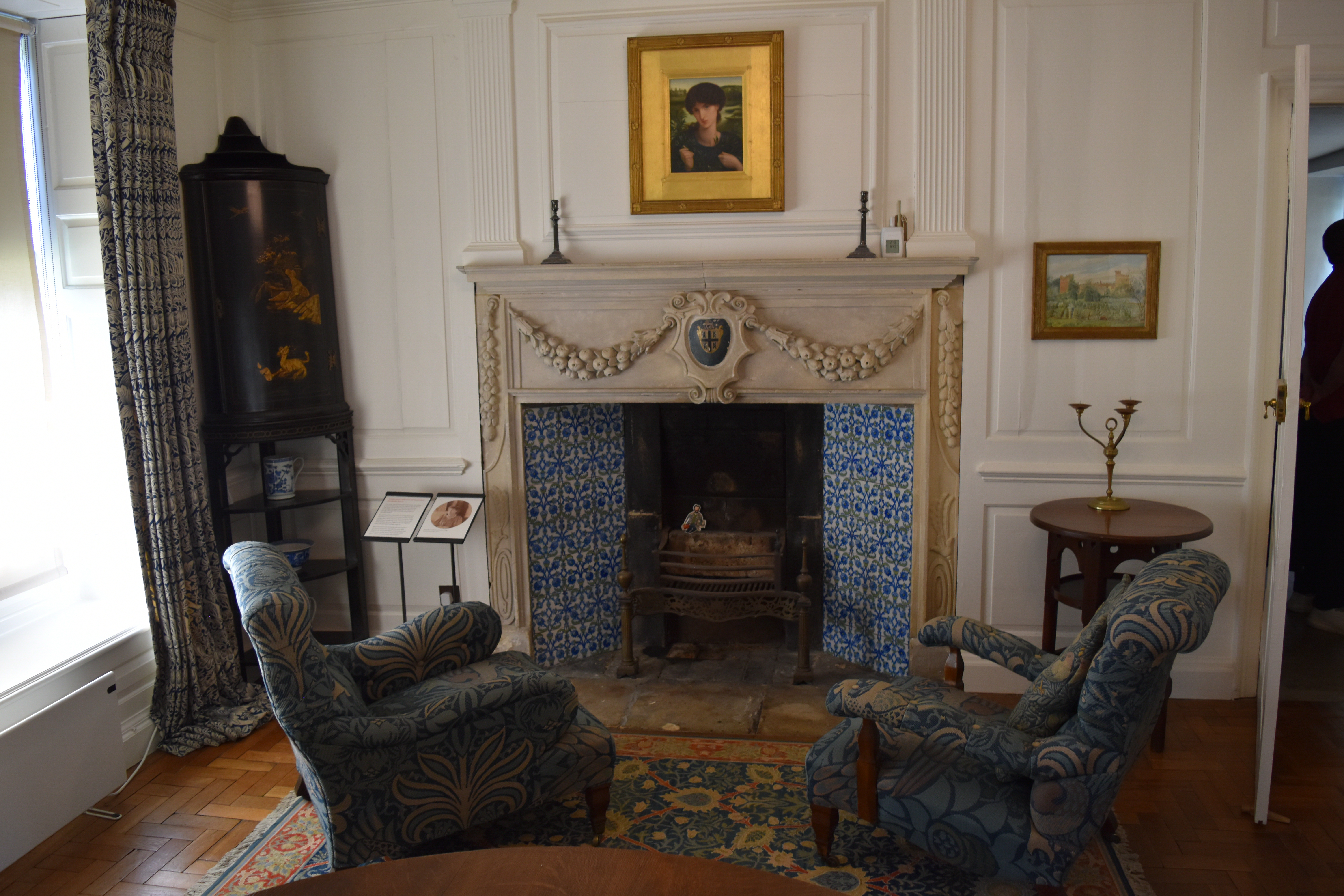
There are some real gems to be seen if you are a fan of the Arts and Crafts style – and I was not alone when visiting – there were visitors from around the world. In the photograph below of the White Parlour the exquisite painting of Jane Morris is by Dante Rossetti. Jane was William Morris’s wife and was often a model for paintings by the closely allied Pre-Raphaelite painters such as Rossetti.

Upstairs in the house is William Morris’s four-poster bed with the famous bed hangings made by hand to a design by William Morris with his poem about Being at Kelmscott along the top. On the bed is the bedspread designed and made by daughter May Morris, and other embroiderers.
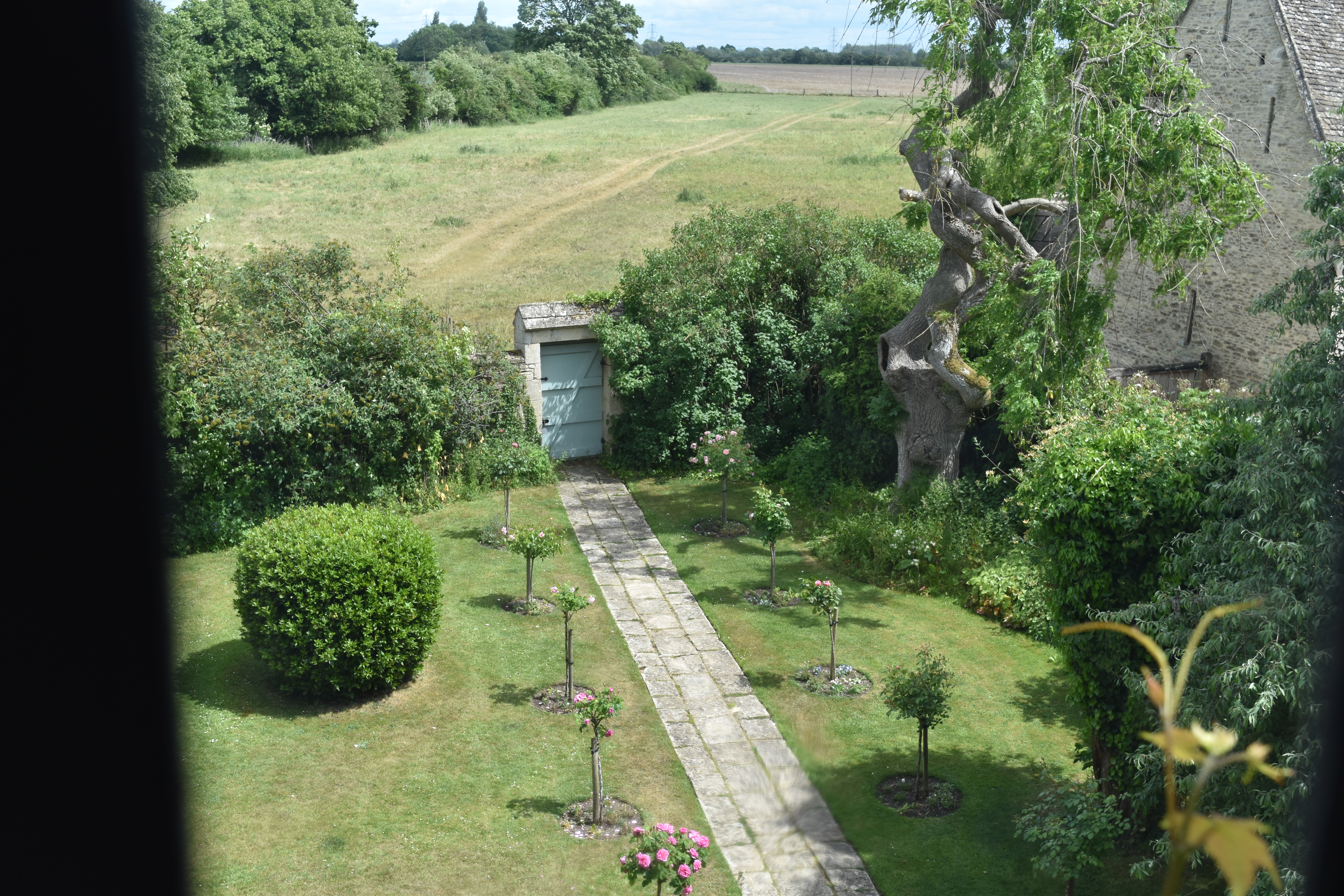
The views from the windows are of the Oxfordshire countryside – just as when the Morris’s lived there. Their daughters, May and Jenny Morris continued to live here after first William, and then Jane, died.

The Gardens at Kelmscott Manor
The gardens at Kelmscott Manor surround the house and link it to the countryside around it. There are some plants that are there from the Morris’s time, and then others that were added to give the spirit of their tenure. The landscape architects, Colvin and Moggridge, did an extensive plan and installation in 1993.
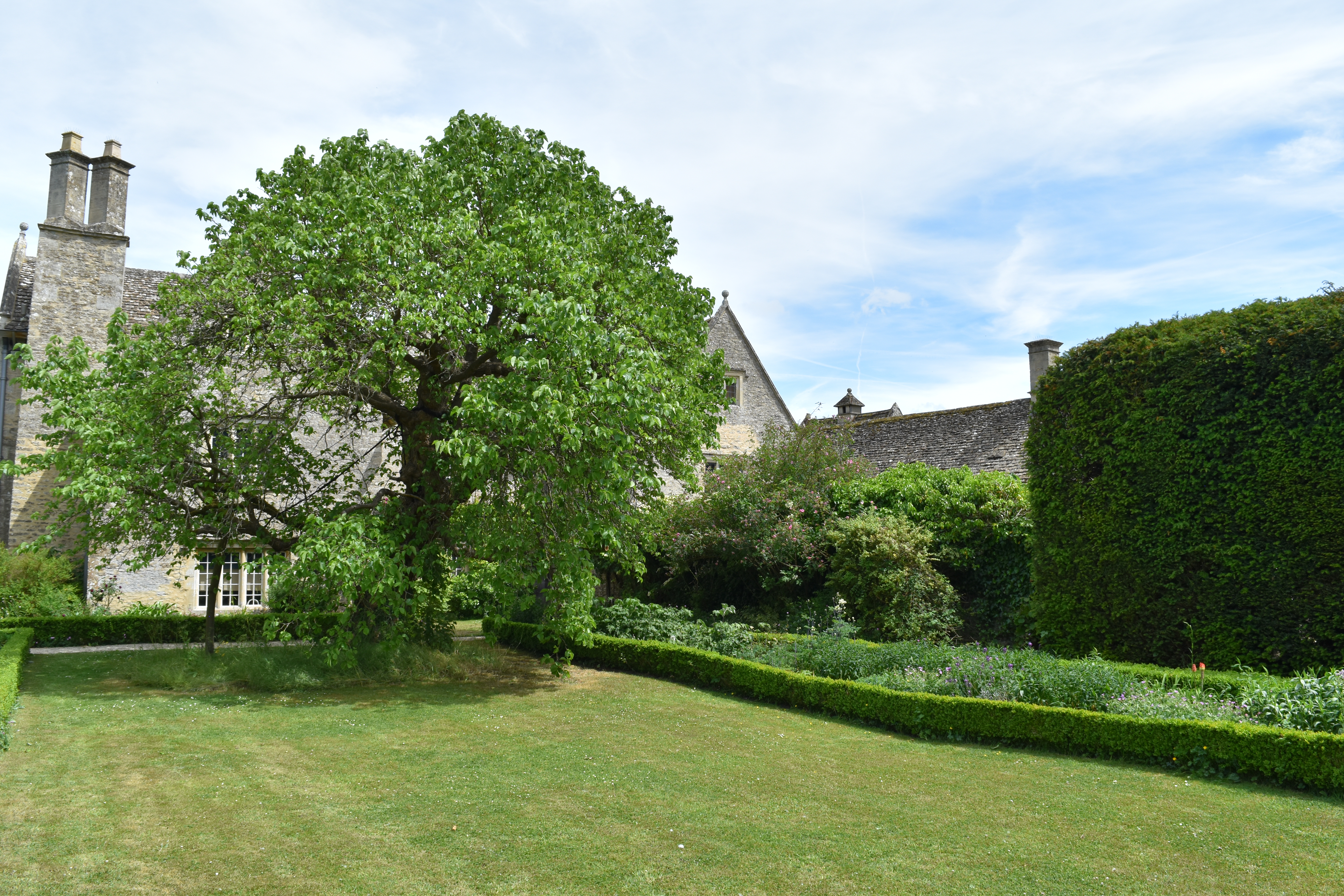
The garden in the 1990’s contained old trees like a Black Mulberry but very little appropriate herbaceous planting. Using old maps, drawings and photographs they restored the garden to a layout that was similar to the time of the Morris family.
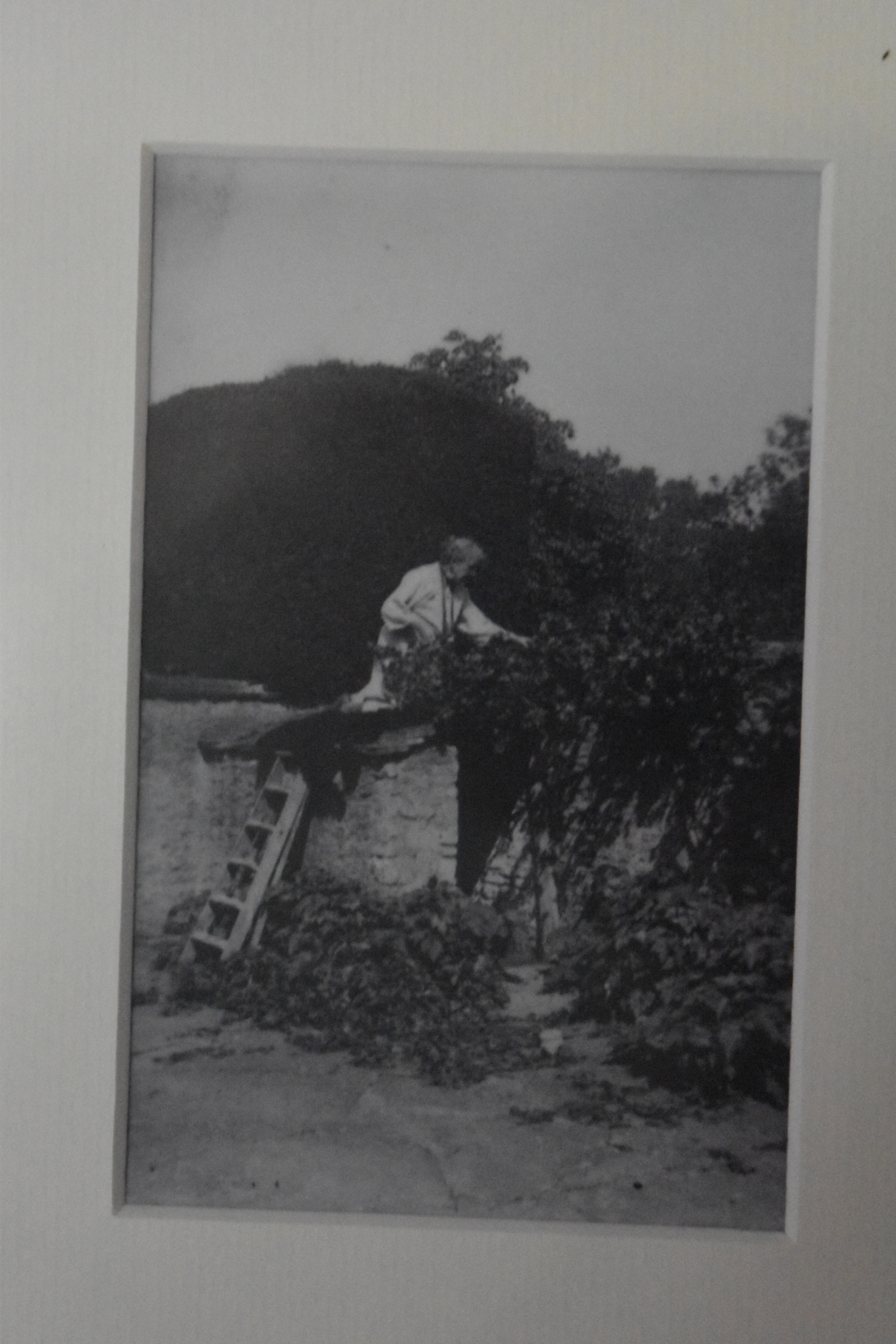
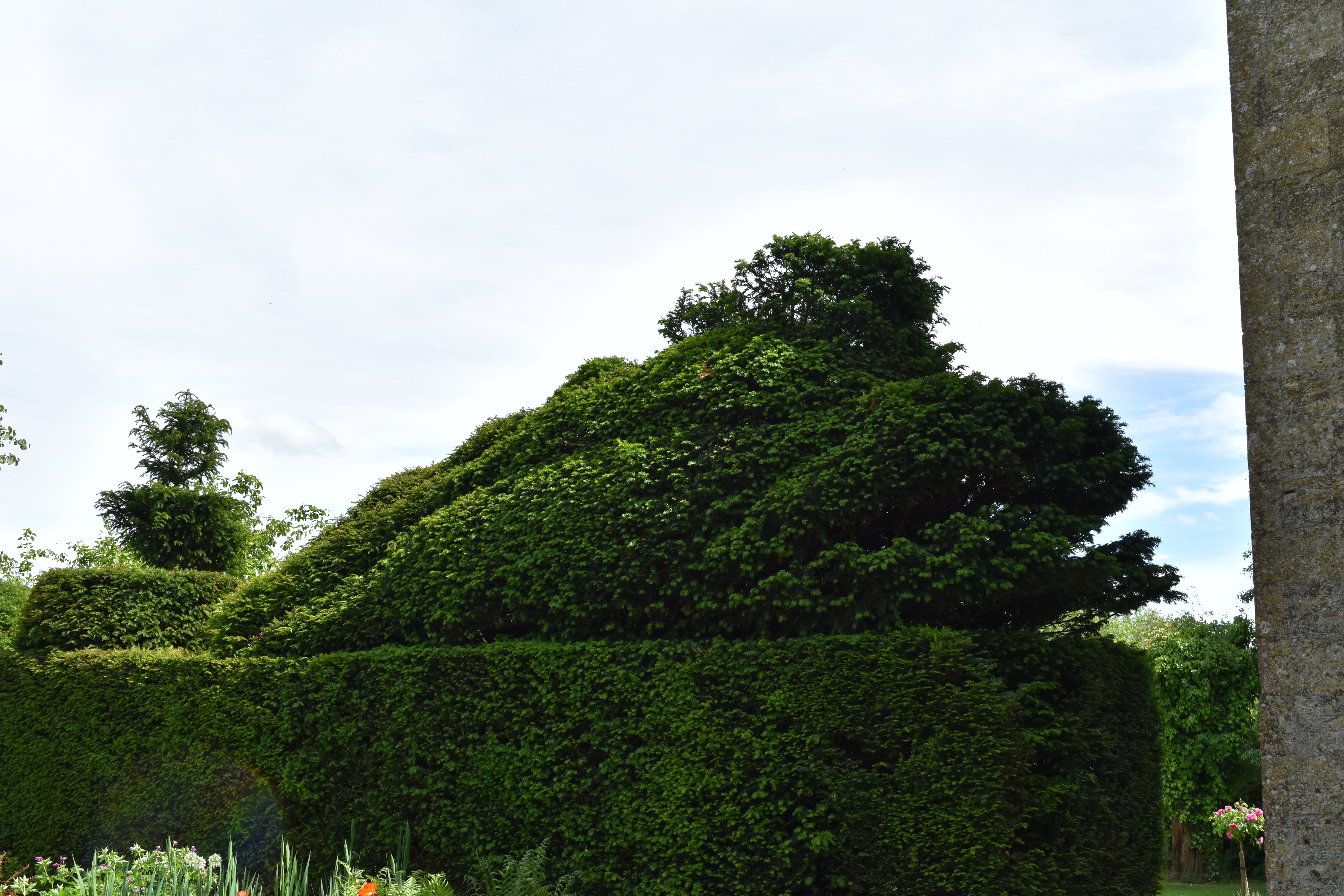
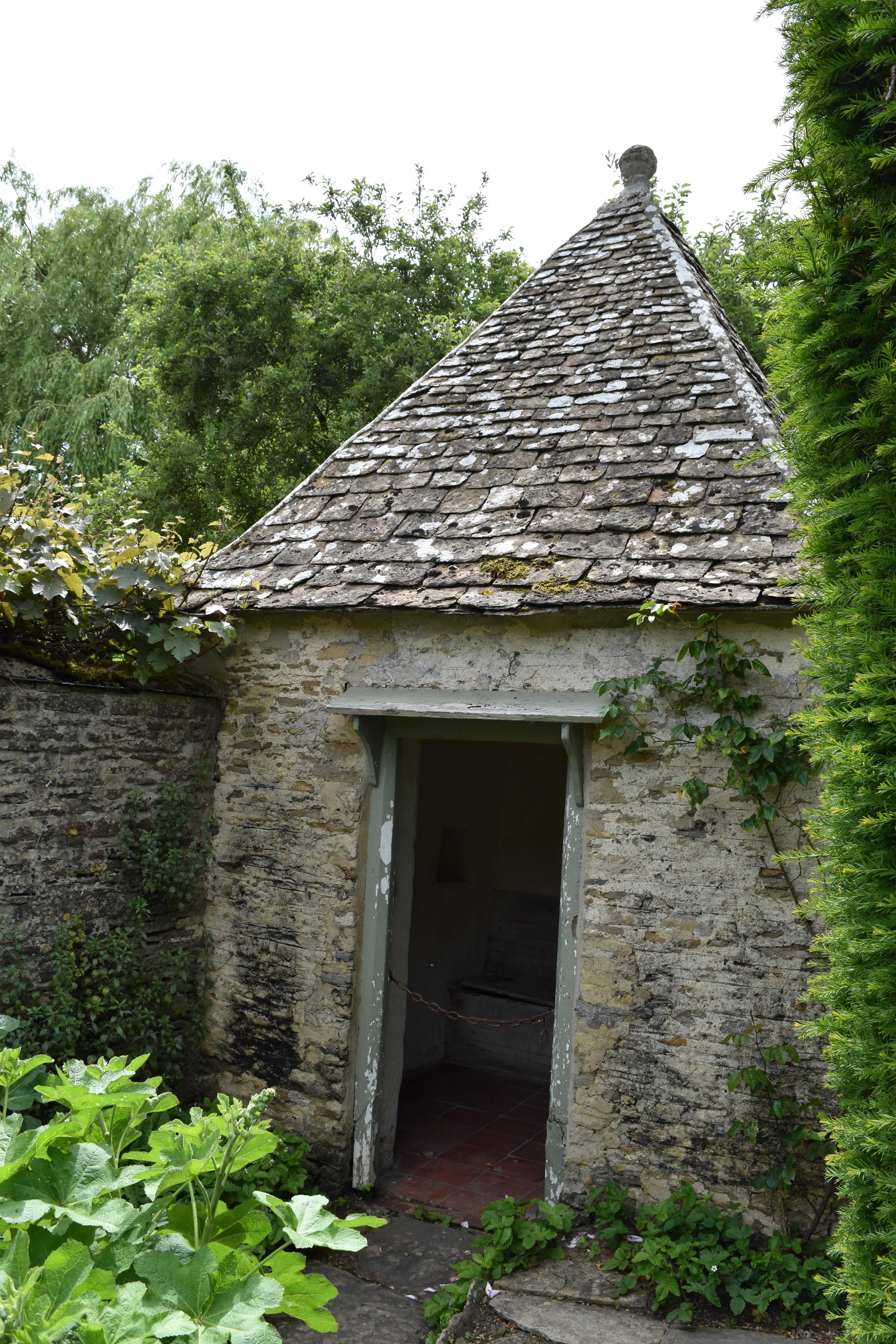
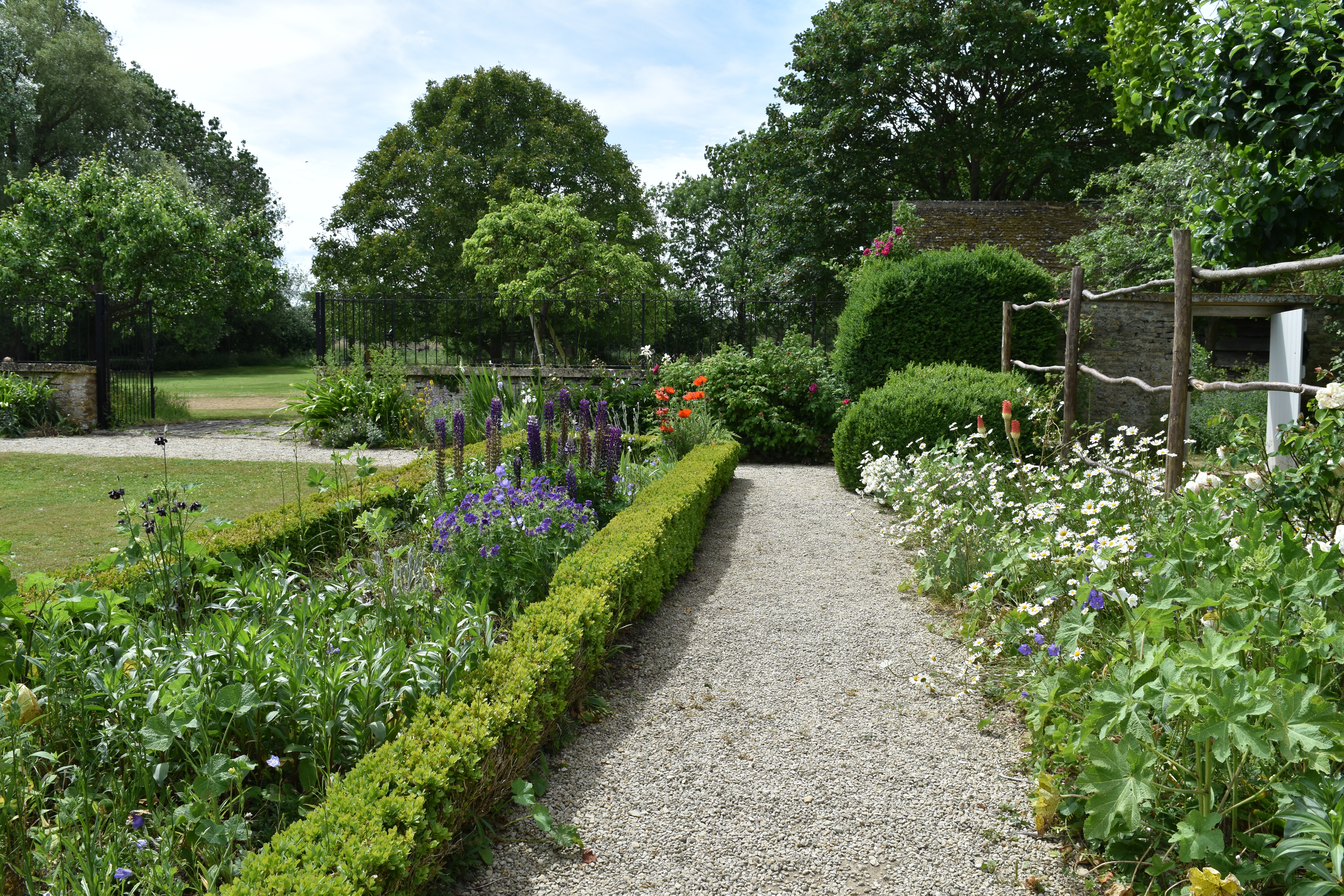
The gardens are outlined by walls and hedges and divided into garden rooms. Tucked into the corners of the garden there are picturesque stone outbuildings, such as the much photographed stone privy that looks more like a gazebo than a toilet.

Kelmscott Manor Plants – Roses and Hebaceous Flowers
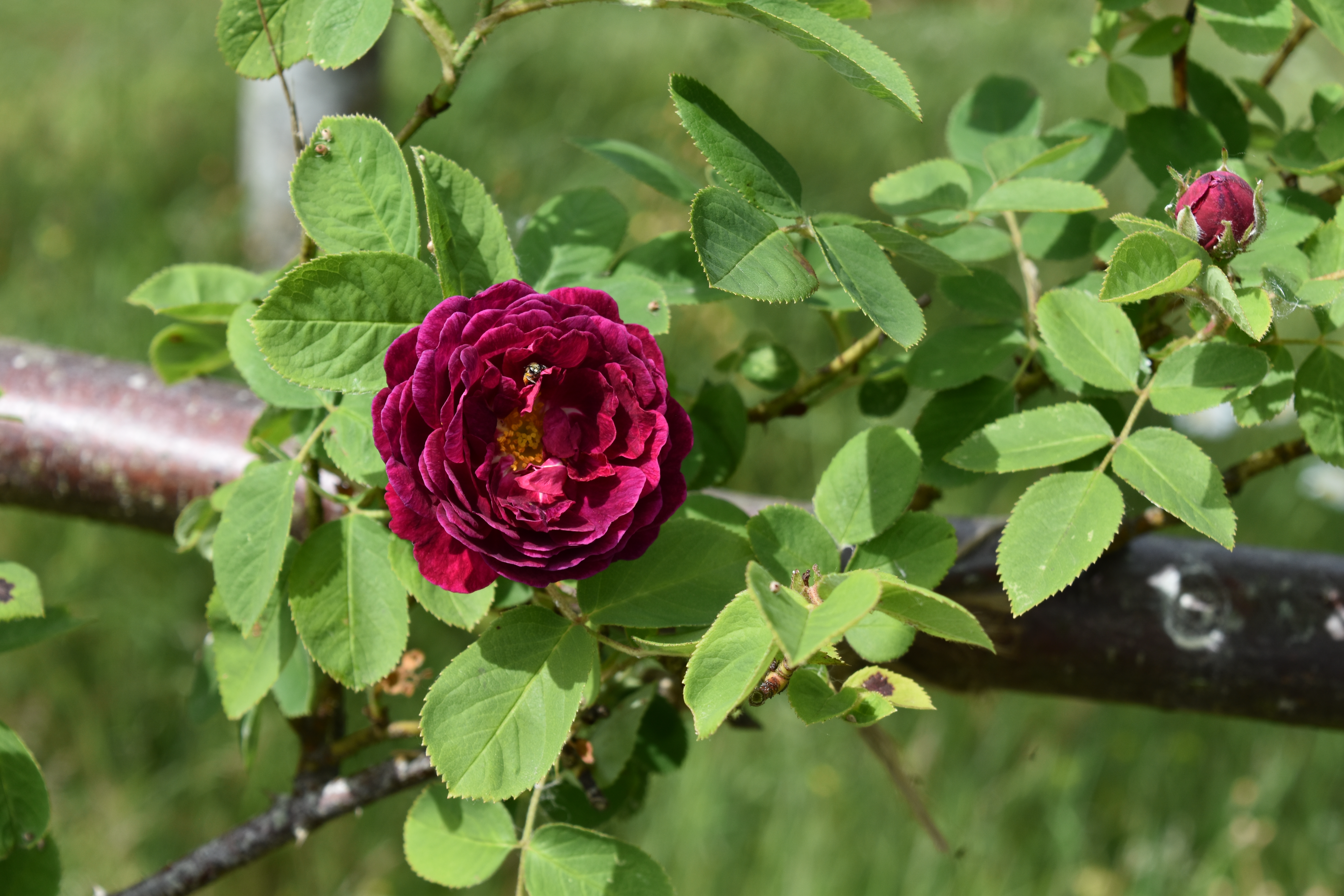
The garden is packed with some of the Morris’s favorite plants, particularly those that are found in their designs. Roses feature prominently, especially scented ones.
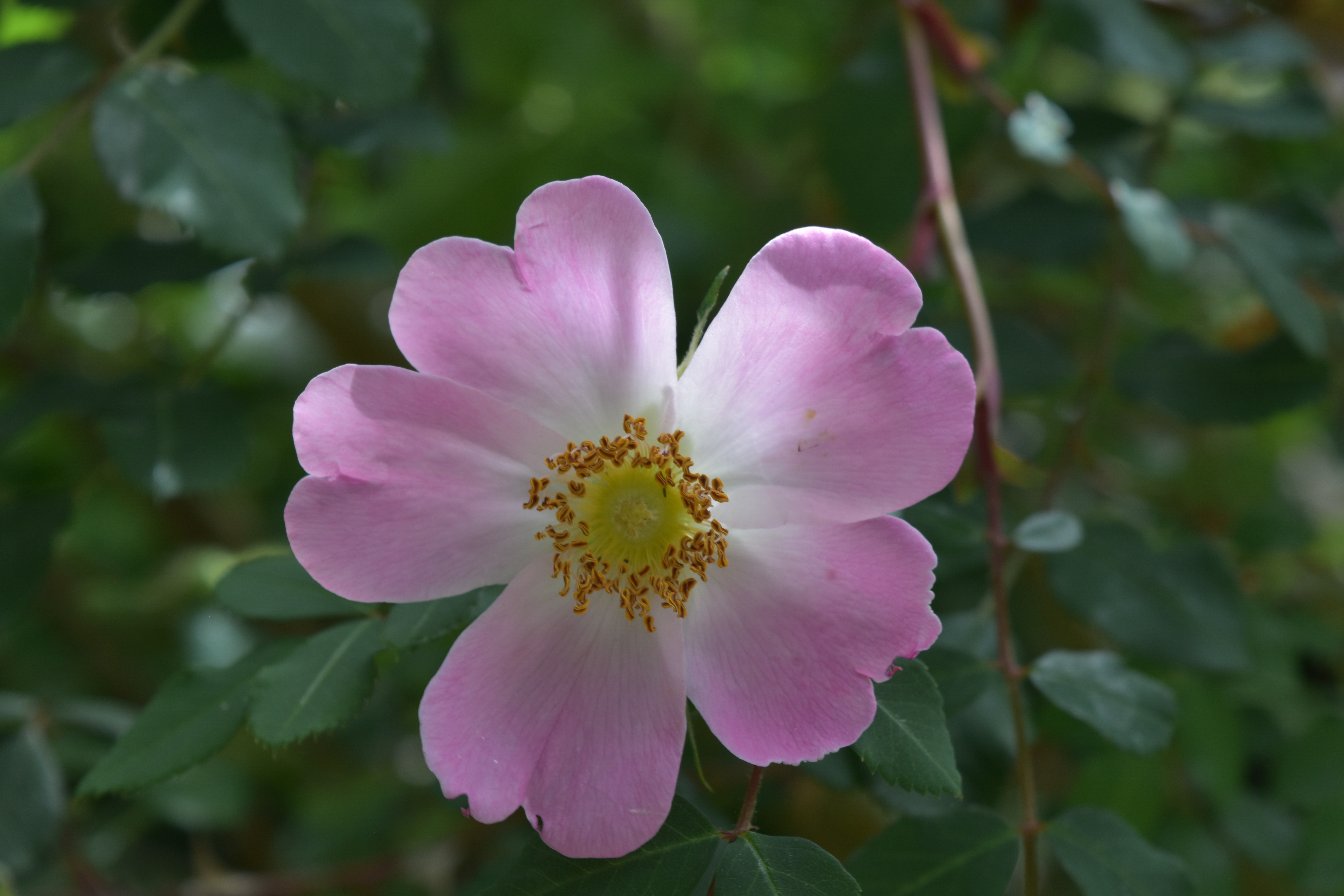
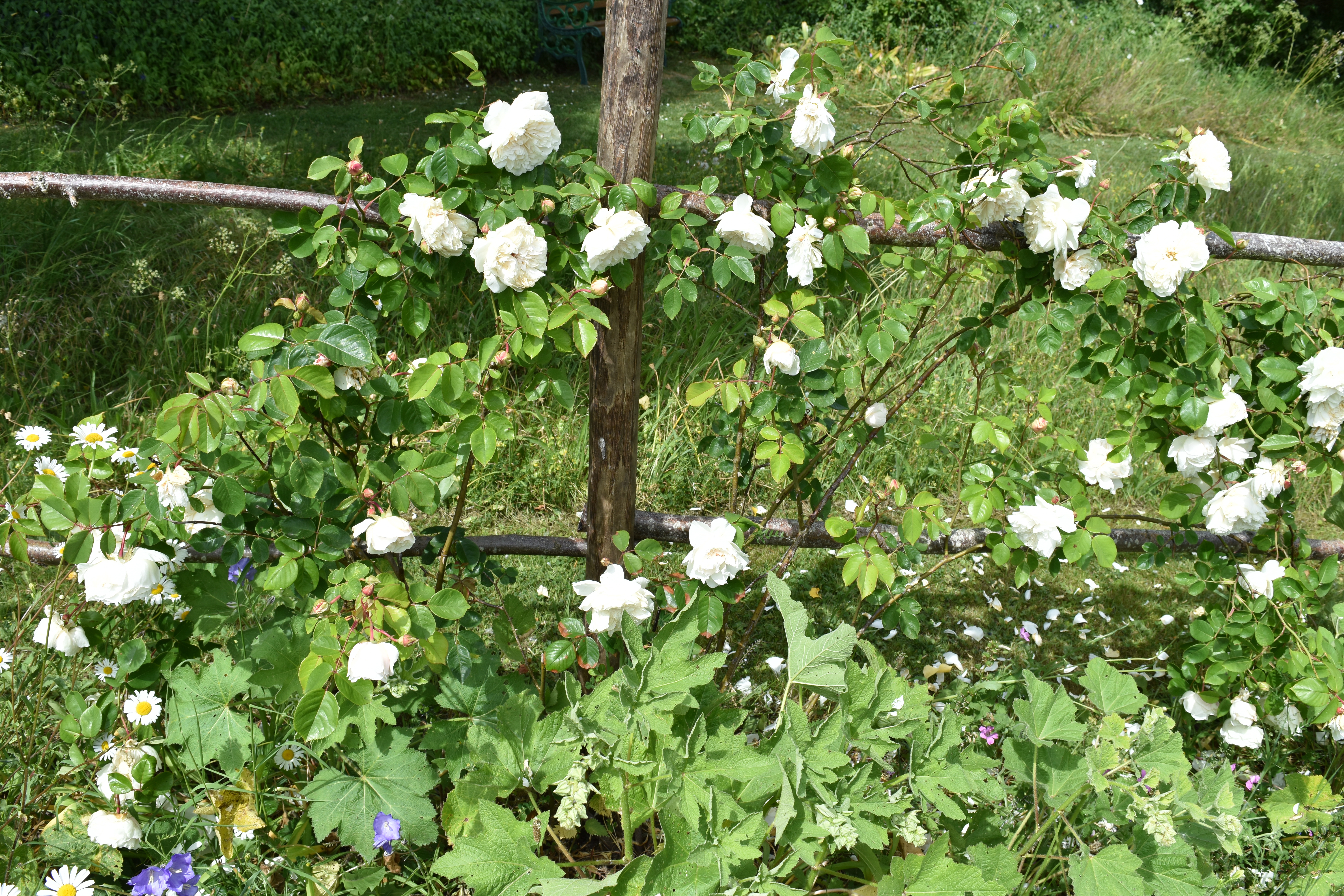
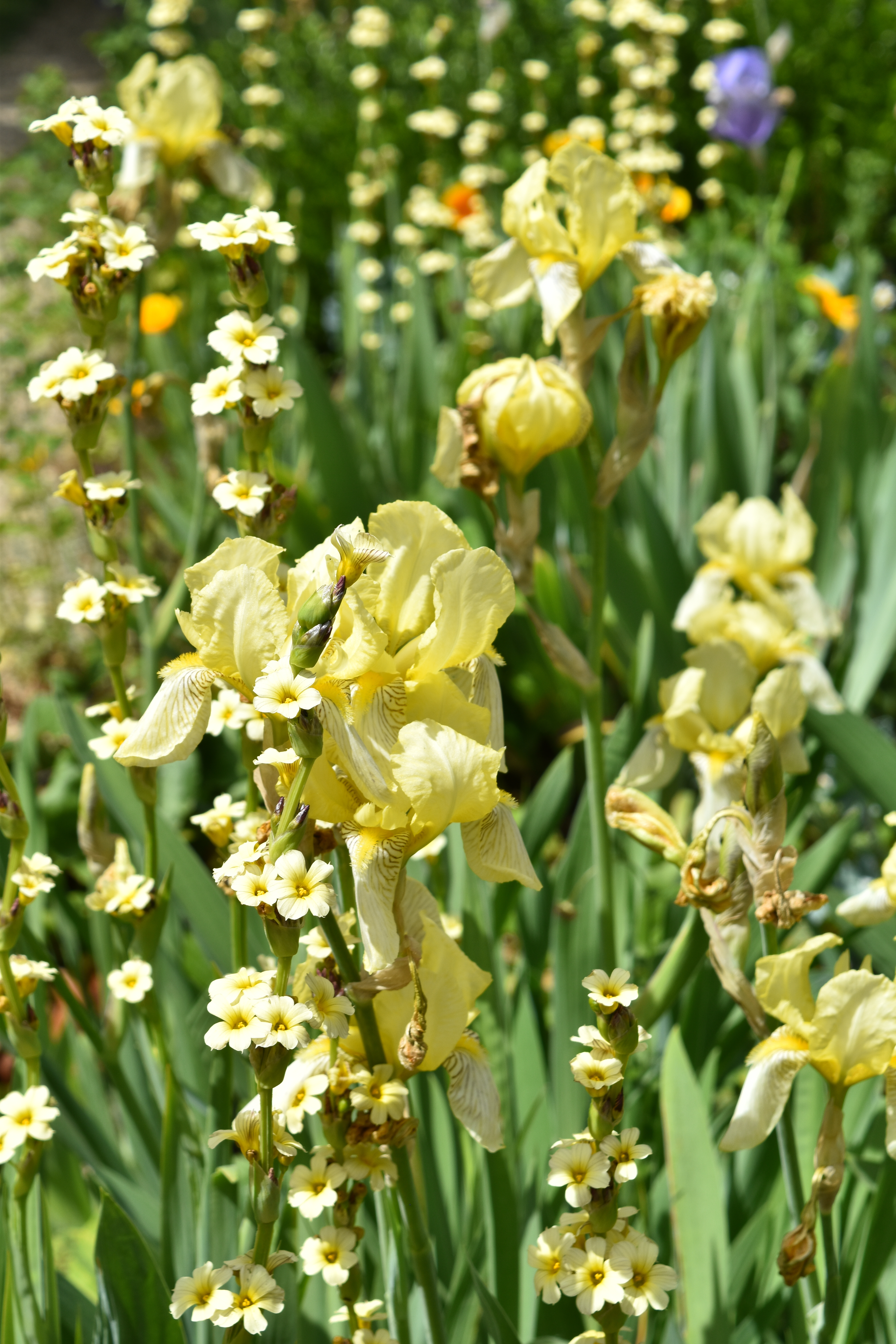

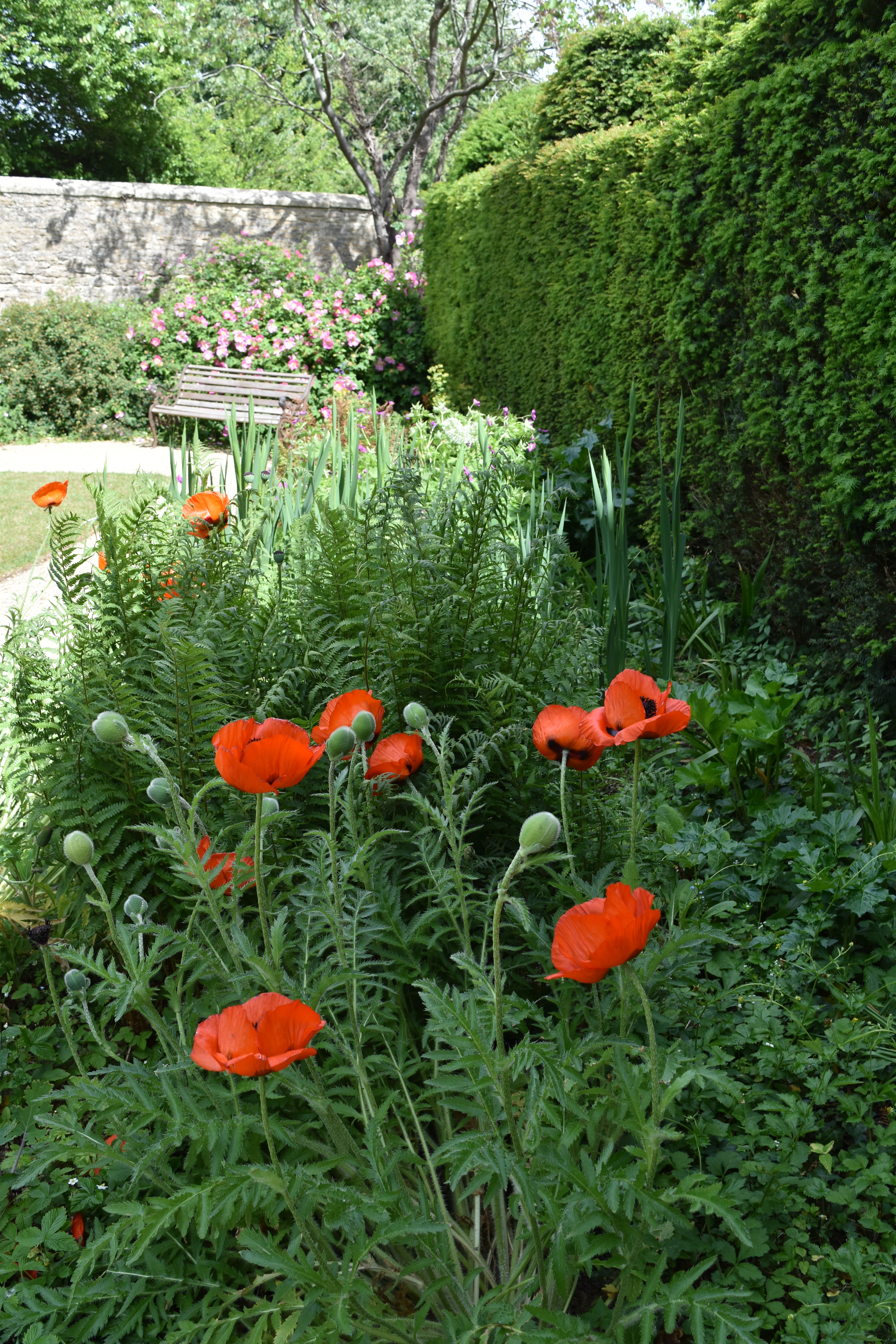

The gardens at Kelmscott Manor provide an excellent framework from the old stone manor house and link it to the pastoral countryside around it. While not all of the plantings are original to the Morris’s time, the gardens give a good impression and feature appropriate plants. It is well worth a visit – especially if you are a fan of the Arts and Crafts Movement.
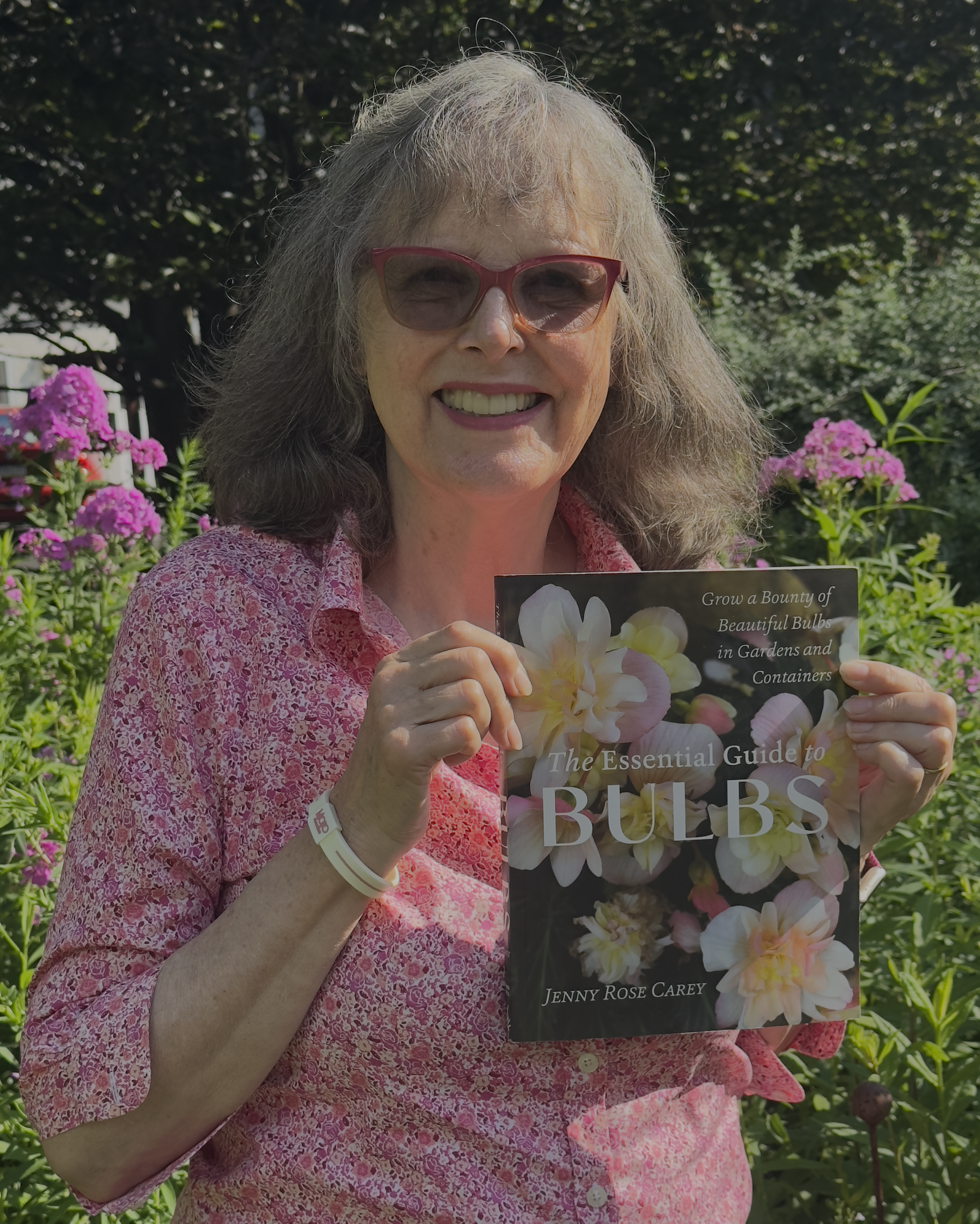
Happy Garden Visiting. Bye for now Gardening Friends. Next month I will continue with another English Garden. Cheers, Jenny Rose Carey
Discover more from Before You Garden...
Subscribe to get the latest posts sent to your email.
 Before You Garden...
Leave a comment